Many wastewater projects struggle with limited space, strict discharge rules, and unstable water quality. Traditional systems may need large tanks and extra treatment steps. An MBR membrane bioreactor offers a compact way to treat wastewater with stable membrane filtration.
Один MBR membrane bioreactor is a wastewater treatment system that combines biological treatment with membrane filtration and is membrane bioreactors for wastewater treatment. Microorganisms break down pollutants in a bioreactor tank, while the membrane separates clean treated water from suspended solids and biomass. It is widely used for municipal wastewater, industrial wastewater treatment, water reuse, and compact treatment systems.
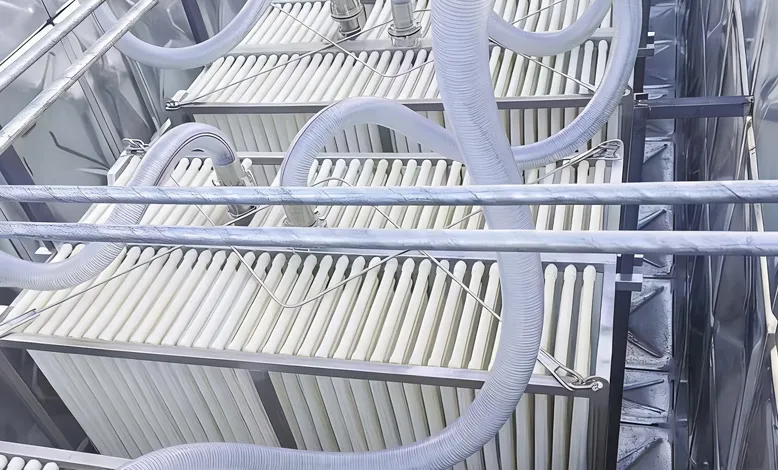
mbr bioreactor
План статьи
- What is an MBR membrane bioreactor?
- Как работает мембранный биореактор?
- Из каких основных частей состоит система MBR?
- Why is membrane filtration important in the treatment process?
- What types of membrane modules are used in MBR systems?
- В чём заключаются преимущества мембранных биореакторов?
- Where are membrane bioreactor systems used?
- What causes membrane fouling in an MBR?
- How does MBR compare with traditional wastewater treatment?
- How should EPC buyers choose an MBR membrane system?
- FAQs about MBR membrane bioreactors
- Основные выводы
What Is an MBR Membrane Bioreactor?
Один MBR, short for membrane bioreactor, is an advanced wastewater treatment process and membrane bioreactors for wastewater treatment. It uses a biological process to break down organic pollution and a membrane process to separate clean effluent from solids. This means the system can treat wastewater and filter it in one compact design and membrane bioreactor filtration.
Этот мембрана is the key separation part. It acts like a fine physical barrier. Water passes through the membrane, while suspended solids, sludge, and biomass stay inside the bioreactor tank. This helps the MBR produce clearer effluent than many conventional wastewater treatment systems.
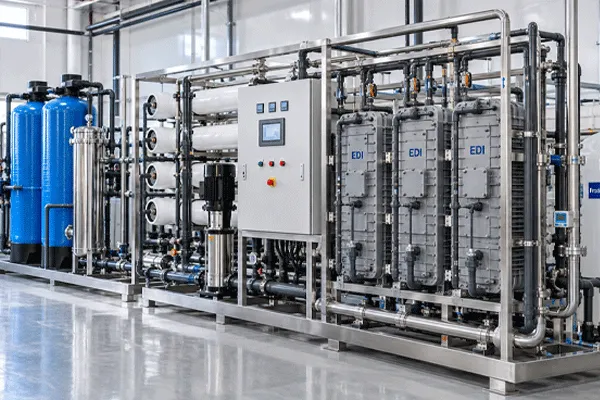
For EPC contractors, municipal wastewater treatment plants, industrial plant owners, and system integrators, this is valuable because the Система MBR can save space, support water reuse, and improve treatment stability. As a manufacturer and engineering-oriented provider of water and wastewater treatment systems, we support hollow fiber MBR membranes, hollow fiber UF membranes, flat sheet MBR membranes, RO membranes, EDI modules, pure water treatment plants, wastewater treatment plants, and integrated membrane filtration systems and membrane technology is very mature.
Как работает мембранный биореактор?
A membrane bioreactor works by combining two steps: biological treatment and membrane filtration. First, wastewater enters a bioreactor tank. Microorganisms in the tank consume organic matter and help reduce pollutants. This part is similar to biological wastewater treatment.
Next, the мембранная фильтрация step separates treated water from mixed liquor. The membrane keeps biomass within the bioreactor and allows clean effluent to pass through. In many systems, the membrane replaces the secondary clarifier used in traditional wastewater treatment.
A simple MBR process looks like this:
| Process Step |
Что происходит |
| Предварительная обработка |
Screens remove large debris, hair, grit, and fibers |
| Резервуар биореактора |
Микроорганизмы разлагают органическое вещество |
| Мембранная фильтрация |
Membrane separates effluent from suspended solids |
| Слив пермеата |
Очищенная вода выходит из системы |
| Контроль за шламом |
Избыточный ил удаляется по мере необходимости |
| Membrane cleaning |
Cleaning helps control fouling and maintain flow |
This treatment process can support stable operation when the design, aeration, membrane area, and cleaning method are properly matched.
Из каких основных частей состоит система MBR?
Полный Система MBR includes more than one membrane module. It is a full treatment system with tanks, pumps, aeration, controls, cleaning units, and process equipment. Each part affects system performance.
The main parts include:
| MBR System Part |
Основная функция |
| Screen or pretreatment unit |
Защищает мембрану от крупных твердых частиц |
| Резервуар биореактора |
Содержит активный ил и биомассу |
| Система аэрации |
Supplies oxygen and helps scour the membrane surface |
| Мембранный модуль |
Filters treated water from mixed liquor |
| Всасывающий насос |
Draws permeate through the membrane |
| Backwash or cleaning system |
Helps reduce membrane fouling |
| PLC / SCADA control |
Manages operation, alarms, and automation |
| Sludge discharge system |
Удаляет избыточную биомассу |
| Chemical dosing unit |
Обеспечивает очистку и контроль технологического процесса |
Этот мембранный модуль is one of the most important parts, but it cannot work alone. Good pretreatment, stable biological treatment, correct aeration, and reliable controls are also needed.
For industrial wastewater treatment plants or municipal wastewater treatment plants, the design should also include access space for inspection, module lifting, membrane replacement, chemical cleaning, and long-term maintenance,membrane biological reactors.
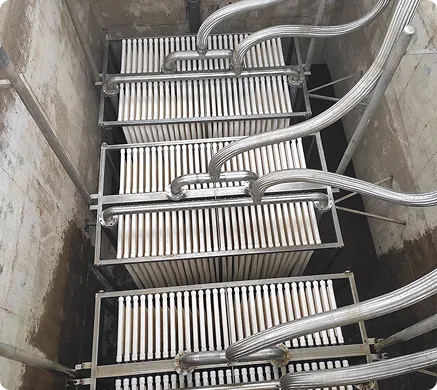
Что такое мембранный биореактор MBR? Руководство по системам и мембранным технологиям MBR для очистки сточных вод
Why Is Membrane Filtration Important in the Treatment Process?
Мембранная фильтрация is important because it creates a strong physical barrier in the wastewater treatment process. The membrane filters out suspended solids and biomass, so the effluent becomes clearer and more stable.
In conventional treatment, a secondary clarifier separates sludge by gravity. This can be affected by sludge settling problems, flow changes, and operation conditions. In an MBR, membrane separation does not rely only on gravity settling. This is one reason MBR offers more stable effluent quality.
For water reuse projects, this matters even more. Clear effluent can support additional treatment steps such as disinfection, UF, RO membrane treatment, or EDI polishing. This makes MBR useful in water and wastewater treatment projects where reuse, discharge compliance, or compact design is required.
What Types of Membrane Modules Are Used in MBR Systems?
Common MBR membrane types include hollow fiber membrane, flat sheet membrane, and other submerged membranes. Each membrane type has its own benefits, limitations, and best-use conditions.
A hollow fiber MBR membrane usually provides high membrane area in a compact space. It is widely used in municipal wastewater, domestic wastewater, and many industrial wastewater treatment applications. A flat sheet membrane may be easier to inspect and can be suitable for wastewater streams with higher fouling risk.
Common membrane module options include:
| Membrane Type |
Общее назначение |
Main Feature |
| Hollow fiber membrane |
Municipal wastewater and compact systems |
High membrane packing density |
| Flat sheet membrane |
Industrial wastewater and easy maintenance designs |
Easier visual inspection |
| Membrane cassette |
Large treatment plant projects |
Modular installation |
| Submerged membrane bioreactor module |
Integrated MBR tanks |
Compact and efficient treatment |
The right membrane type depends on influent quality, treatment capacity, membrane material, membrane cost, operation skill, and cleaning requirements. For EPC projects, the membrane system should match both technical goals and local maintenance ability.
В чём заключаются преимущества мембранных биореакторов?
Этот advantages of membrane bioreactors are clear for many wastewater applications. MBR offers compact layout, strong solid-liquid separation, good effluent quality, and easier automation and bioreactor applications.
Main benefits include:
| Преимущество |
Почему это важно |
| Меньшая занимаемая площадь |
Подходит для участков с ограниченной площадью или проектов по модернизации |
| Стабильные сточные воды |
Supports discharge compliance and reuse |
| Отсутствует вторичный отстойник |
Упрощает процесс разделения твердой и жидкой фаз |
| Высокая концентрация биомассы |
Обеспечивает эффективную биологическую очистку |
| Modular system design |
Good for containerized or skid-mounted systems |
| Автоматизация на базе ПЛК / SCADA |
Easier monitoring and operation |
| Возможности повторного использования |
Supports irrigation, flushing, or industrial reuse after proper treatment |
For municipal and industrial wastewater treatment, MBR technology can help project owners meet strict effluent targets while reducing space pressure. This is especially useful for industrial parks, hotels, factories, farms, commercial buildings, and infrastructure projects.
An MBR offers value not only through cleaner water, but also through better project planning. When the system is designed well, it can reduce land use, simplify expansion, and support long-term operation.
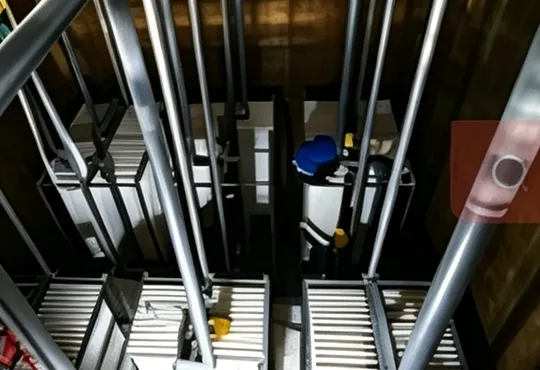
The membrane bioreactor is in operation.
Where Are Membrane Bioreactor Systems Used?
Membrane bioreactor systems for wastewater are used in many industries and project types. They can treat municipal wastewater, domestic wastewater, and many kinds of industrial wastewater.
Common MBR applications include:
- Очистка городских сточных вод
- Очистка промышленных сточных вод
- Food and beverage factory wastewater
- Textile and dyeing wastewater
- Pharmaceutical wastewater
- Chemical plant wastewater
- Semiconductor and electronics ultrapure water pretreatment support
- Очистка сточных вод в гостиницах и курортах
- Farm and rural sewage treatment
- Containerized wastewater treatment plants
- Skid-mounted treatment systems
- Decentralized wastewater treatment
- Проекты по повторному использованию воды
Этот applications of membrane bioreactors continue to grow because many projects need compact, modular, and reliable treatment technologies. For international distributors and EPC buyers, MBR modules can also be integrated with RO membranes, UF membranes, EDI modules, and pure water treatment systems.
What Causes Membrane Fouling in an MBR?
Membrane fouling is one of the main operation challenges in MBR systems. Fouling happens when solids, biomass, oil, grease, scaling materials, or microorganisms build up on the membrane surface or inside the membrane pores.
Common causes include:
| Причина образования накипи |
Возможный результат |
| Weak pretreatment |
Волосы, волокна или мусор забивают мембрану |
| Высокая концентрация осадка |
More resistance during filtration |
| Poor aeration |
Less scouring on membrane surface |
| Масла и смазки |
Sticky fouling layer |
| Работа в режиме высокого потока |
Faster pressure increase |
| Неэффективный график уборки |
Shorter membrane life |
| Unsuitable wastewater chemistry |
Налет или биологическое воздействие |
To reduce fouling, the operation of the MBR must be controlled carefully. This includes screening, stable aeration, correct sludge concentration, reasonable flux, routine backwash, chemical cleaning, and planned membrane replacement.
Good design matters. A low-cost system with poor pretreatment may foul quickly. A properly designed membrane bioreactor system can run more smoothly and protect long-term project value.
How Does MBR Compare With Traditional Wastewater Treatment?
Traditional wastewater treatment often uses biological tanks and secondary clarifiers. The secondary clarifier lets sludge settle before treated water is discharged. This method can work well, but it may require more land and may be affected by poor sludge settling.
An MBR replaces the secondary clarifier with membrane filtration. This creates a more compact treatment system and improves solid-liquid separation. In many projects, MBR can produce clearer effluent and support reuse more easily than conventional wastewater treatment systems.
Сравнительная таблица:
| Артикул |
Traditional Wastewater Treatment |
MBR Treatment System |
| Разделение твердой и жидкой фаз |
Вторичный отстойник |
Мембранная фильтрация |
| Площадь занимаемой территории |
Usually larger |
Usually smaller |
| Внешнее содержание взвешенных твердых частиц |
Зависит от оседания |
Lower and more stable |
| Концентрация биомассы |
Как правило, ниже |
Как правило, выше |
| Возможности повторного использования |
Often needs more polishing |
Better base for reuse |
| Operation challenge |
Sludge settling |
Membrane fouling |
| Expansion |
May need more civil work |
Can be modular |
MBR is not always the lowest-cost option at first purchase. But when land is limited, effluent standards are strict, or reuse is required, it can be the better long-term choice.
How Should EPC Buyers Choose an MBR Membrane System?
EPC buyers should choose an MBR membrane system based on wastewater data, project goals, operation conditions, and long-term support. Price is important, but it should not be the only factor.
Before buying, confirm:
- Influent water quality
Check COD, BOD, SS, oil, grease, salinity, temperature, pH, and toxic substances.
- Treatment capacity
Confirm average flow, peak flow, and future expansion demand.
- Effluent target
Clarify discharge standard, reuse requirement, or advanced treatment needs.
- Membrane area and flux
Avoid pushing the membrane too hard. Conservative design can reduce fouling risk.
- Membrane material and module design
Choose a membrane type that matches the wastewater and maintenance plan.
- Уровень автоматизации
PLC / SCADA control helps improve operation stability and monitoring.
- Documentation and commissioning support
EPC projects need drawings, manuals, I/O lists, process descriptions, and startup guidance.
- Spare parts and service
Long-term membrane replacement, pump parts, valves, and technical support are essential.
As a professional manufacturer and engineering-oriented provider, we specialize in customized treatment solutions for industrial wastewater treatment, municipal sewage treatment, pure water production, ultrapure water systems, water reuse, containerized treatment plants, skid-mounted systems, and complex EPC water treatment projects.
How Does MBR Support Industrial Wastewater Treatment?
Industrial wastewater can be more difficult than municipal wastewater because the water quality changes by industry. Food factories may have high organic matter. Textile wastewater may contain color and chemicals. Pharmaceutical and chemical wastewater may need special pretreatment before MBR.
An MBR can be used as part of a larger industrial wastewater treatment system. It may follow pretreatment such as equalization, coagulation, air flotation, anaerobic treatment, or chemical dosing. After MBR, additional treatment steps such as RO, activated carbon, disinfection, or EDI may be added.
This makes MBR useful for system integrators and environmental engineering contractors. It can serve as the core biological and filtration stage in a complete wastewater treatment solution.
How Does MBR Support Municipal Wastewater Treatment?
For municipal wastewater treatment, MBR can help produce stable effluent in a smaller footprint. This is helpful for city wastewater treatment plants, township projects, rural sewage projects, hotels, commercial areas, and decentralized wastewater treatment.
Municipal wastewater is often more stable than many industrial wastewater streams, which makes MBR easier to design and operate. A municipal wastewater treatment project may use submerged membrane bioreactor systems with multiple membrane cassettes for modular expansion.
For municipal project owners, key concerns include effluent quality, operation cost, energy use, membrane cleaning, spare parts supply, and operator training. A reliable MBR supplier should support both design and long-term service.
What Makes a Good MBR System Manufacturer?
A good MBR system manufacturer should not only sell membranes. It should understand process design, membrane applications, project engineering, automation, and commissioning. This is especially important for EPC contractors and overseas distributors.
A strong supplier should provide:
- Membrane module selection
- Hollow fiber and flat sheet membrane options
- Process design support
- Skid-mounted or containerized system design
- PLC / SCADA automation support
- Technical drawings and documentation
- Factory testing before shipment
- Руководство по вводу в эксплуатацию
- Поставка запасных частей
- Long-term technical cooperation
For B2B buyers, this reduces project risk. It also helps ensure that the membrane bioreactor technology works in real site conditions, not just on paper.
FAQs About MBR Membrane Bioreactors
What is an MBR membrane bioreactor?
An MBR membrane bioreactor is a wastewater treatment system that combines biological treatment with membrane filtration. The biological process removes organic pollution, while the membrane separates treated water from suspended solids and biomass.
Как работает мембранный биореактор?
A membrane bioreactor works by using microorganisms to treat wastewater in a bioreactor tank. Then the membrane filters the mixed liquid and allows clean effluent to pass through while keeping sludge and solids inside the system.
What is the difference between MBR and traditional wastewater treatment?
Traditional wastewater treatment usually uses a secondary clarifier for sludge settling. MBR uses membrane filtration instead. This can reduce footprint, improve effluent quality, and support water reuse.
What causes membrane fouling in an MBR system?
Membrane fouling can be caused by suspended solids, biomass buildup, oil, grease, scaling, poor aeration, high flux, or weak pretreatment. Good operation and regular cleaning help control fouling.
Is MBR suitable for industrial wastewater treatment?
Yes. MBR can be used for many industrial wastewater treatment projects, including food and beverage, textile, pharmaceutical, chemical, electronics, and industrial park wastewater. Pretreatment may be required depending on wastewater quality.
Can MBR effluent be reused?
Yes. MBR effluent can support water reuse after proper disinfection or additional treatment. Depending on reuse standards, RO membrane, UF membrane, activated carbon, or EDI treatment may be added.
Основные выводы
- Один MBR membrane bioreactor combines biological treatment with membrane filtration.
- The membrane separates clean effluent from suspended solids and biomass.
- MBR can reduce footprint compared with traditional wastewater treatment.
- MBR systems are used in municipal wastewater, industrial wastewater treatment, domestic wastewater, and water reuse projects.
- Common membrane types include hollow fiber membrane and flat sheet membrane.
- Membrane fouling is the main operation challenge and must be controlled through design, aeration, cleaning, and pretreatment.
- EPC buyers should check influent data, effluent standards, treatment capacity, membrane area, automation, documentation, and spare parts support.
- A reliable MBR manufacturer should provide membrane modules, system design, PLC / SCADA support, commissioning guidance, and long-term service.
- MBR can integrate with UF, RO, EDI, containerized systems, skid-mounted plants, and complete water treatment solutions.
- For long-term project success, choose the system based on real wastewater conditions, not only the lowest equipment price.











 17:50
17:50