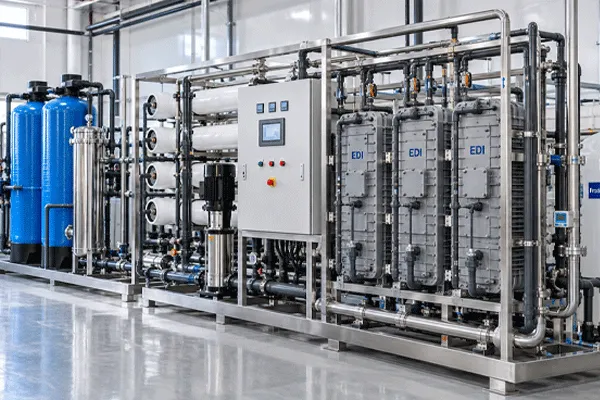
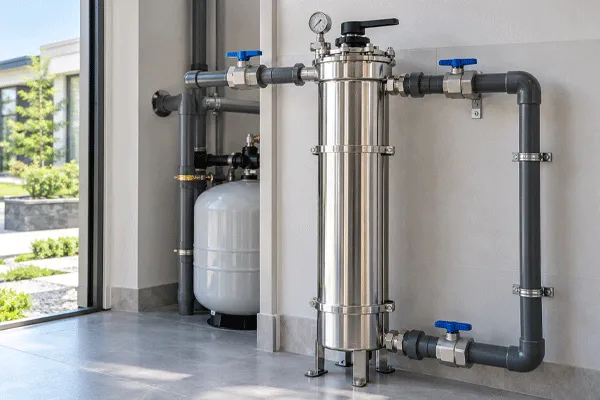
Muitos projetos de águas residuais enfrentam dificuldades devido ao espaço limitado, às regras rigorosas de descarga e à qualidade instável da água. Os sistemas tradicionais podem necessitar de grandes tanques e etapas de tratamento adicionais. Um Biorreator de membrana (MBR) oferece uma forma compacta de tratar águas residuais através de uma filtração por membrana estável.
Um Biorreator de membrana (MBR) é um sistema de tratamento de águas residuais que combina o tratamento biológico com filtração por membrana e consiste em biorreatores de membrana para o tratamento de águas residuais. Os microrganismos decompõem os poluentes num tanque de biorreator, enquanto a membrana separa a água tratada e limpa dos sólidos em suspensão e da biomassa. É amplamente utilizada no tratamento de águas residuais municipais e industriais, na reutilização da água e em sistemas de tratamento compactos.
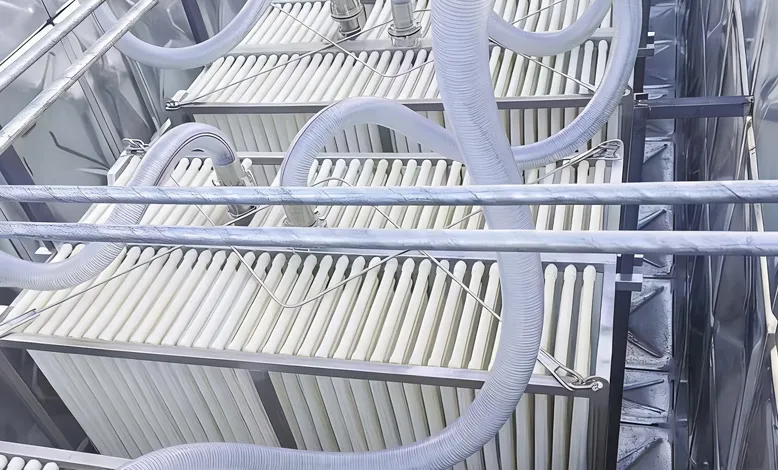
biorreator MBR
Estrutura do artigo
- O que é um biorreator de membrana (MBR)?
- Como funciona um biorreator de membrana?
- Quais são as principais partes de um sistema MBR?
- Por que razão a filtração por membrana é importante no processo de tratamento?
- Que tipos de módulos de membrana são utilizados nos sistemas MBR?
- Quais são as vantagens dos biorreatores de membrana?
- Onde são utilizados os sistemas de biorreatores de membrana?
- O que provoca a obstrução da membrana num MBR?
- Em que medida o MBR se compara ao tratamento tradicional de águas residuais?
- Como devem os compradores de EPC escolher um sistema de membranas MBR?
- Perguntas frequentes sobre os biorreatores de membrana (MBR)
- Pontos-chave
O que é um biorreator de membrana (MBR)?
Um MBR, abreviatura de biorreator de membrana, é um processo avançado de tratamento de águas residuais que utiliza biorreatores de membrana. Recorre a um processo biológico para decompor a poluição orgânica e a um processo de membrana para separar o efluente limpo dos sólidos. Isto significa que o sistema consegue tratar as águas residuais e filtrá-las num único design compacto, através da filtração por biorreator de membrana.
O membrana é a principal componente de separação. Funciona como uma barreira física fina. A água passa através da membrana, enquanto os sólidos em suspensão, os lamas e a biomassa permanecem no interior do tanque do biorreator. Isto ajuda o MBR a produzir um efluente mais límpido do que muitos sistemas convencionais de tratamento de águas residuais.
Para empreiteiros EPC, estações municipais de tratamento de águas residuais, proprietários de instalações industriais e integradores de sistemas, isto é valioso porque o Sistema MBR podem poupar espaço, contribuir para a reutilização da água e melhorar a estabilidade do tratamento. Enquanto fabricante e fornecedor de sistemas de tratamento de água e águas residuais com orientação para a engenharia, fornecemos membranas MBR de fibra oca, membranas UF de fibra oca, membranas MBR planas, membranas RO, módulos EDI, estações de tratamento de água pura, estações de tratamento de águas residuais e sistemas integrados de filtração por membrana, sendo que a nossa tecnologia de membranas se encontra num estado de grande maturidade.
Como funciona um biorreator de membrana?
A biorreator de membrana funciona através da combinação de duas etapas: tratamento biológico e filtração por membrana. Primeiro, as águas residuais entram num tanque biorreator. Os microrganismos presentes no tanque consomem a matéria orgânica e ajudam a reduzir os poluentes. Esta fase é semelhante ao tratamento biológico de águas residuais.
A seguir, o filtração por membrana Esta etapa separa a água tratada do licor misto. A membrana retém a biomassa no interior do biorreator e permite a passagem do efluente limpo. Em muitos sistemas, a membrana substitui o clarificador secundário utilizado no tratamento tradicional de águas residuais.
Um processo MBR simples tem o seguinte aspeto:
| Etapa do processo |
O que acontece |
| Pré-tratamento |
As grelhas retêm detritos de grandes dimensões, cabelos, areia e fibras |
| Tanque de biorreator |
Os microrganismos decompõem a matéria orgânica |
| Filtração por membrana |
A membrana separa o efluente dos sólidos em suspensão |
| Descarga de permeado |
A água tratada sai do sistema |
| Controlo de lamas |
O lodo em excesso é removido sempre que necessário |
| Limpeza da membrana |
A limpeza ajuda a controlar a acumulação de resíduos e a manter o caudal |
Este processo de tratamento pode garantir um funcionamento estável quando o projeto, a aeração, a área da membrana e o método de limpeza forem adequadamente combinados.
Quais são as principais partes de um sistema MBR?
Um completo Sistema MBR inclui mais do que um módulo de membranas. Trata-se de um sistema de tratamento completo, com tanques, bombas, aeração, sistemas de controlo, unidades de limpeza e equipamento de processo. Cada componente influencia o desempenho do sistema.
As principais partes incluem:
| Peça do sistema MBR |
Função principal |
| Unidade de triagem ou de pré-tratamento |
Protege a membrana contra partículas sólidas de grandes dimensões |
| Tanque de biorreator |
Contém lamas ativadas e biomassa |
| Sistema de arejamento |
Fornece oxigénio e ajuda a limpar a superfície da membrana |
| Módulo de membrana |
Filtra a água tratada proveniente do licor misto |
| Bomba de sucção |
As correntes atravessam a membrana |
| Sistema de retrolavagem ou de limpeza |
Ajuda a reduzir a obstrução da membrana |
| Controlo PLC / SCADA |
Gere o funcionamento, os alarmes e a automação |
| Sistema de descarga de lamas |
Remove o excesso de biomassa |
| Unidade de dosagem de produtos químicos |
Apoia a limpeza e o controlo do processo |
O módulo de membrana é uma das etapas mais importantes, mas não pode funcionar isoladamente. São também necessários um bom pré-tratamento, um tratamento biológico estável, uma aeração adequada e controlos fiáveis.
No caso das estações de tratamento de águas residuais industriais ou municipais, o projeto deve incluir também espaço de acesso para inspeção, elevação dos módulos, substituição das membranas, limpeza química e manutenção a longo prazo dos reatores biológicos de membrana.
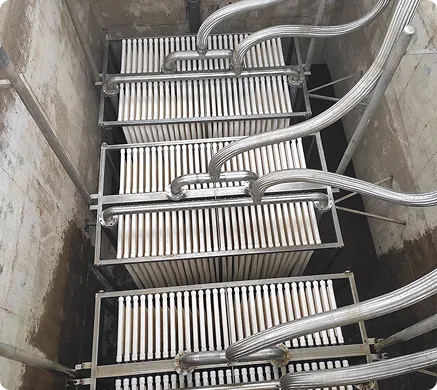
O que é um Bioreactor de Membrana MBR? Guia do Sistema MBR e da Tecnologia de Membranas para o Tratamento de Águas Residuais
Por que razão a filtração por membrana é importante no processo de tratamento?
Filtração por membrana é importante porque cria uma forte barreira física no processo de tratamento de águas residuais. A membrana filtra os sólidos em suspensão e a biomassa, pelo que o efluente fica mais límpido e mais estável.
No tratamento convencional, um clarificador secundário separa os lamas por gravidade. Este processo pode ser afetado por problemas de sedimentação das lamas, variações no caudal e condições de funcionamento. Num MBR, a separação por membrana não depende apenas da sedimentação por gravidade. Esta é uma das razões pelas quais o MBR proporciona uma qualidade de efluente mais estável.
No caso dos projetos de reutilização de água, isto é ainda mais importante. Um efluente límpido permite a implementação de etapas adicionais de tratamento, tais como a desinfeção, a ultrafiltração (UF), o tratamento por membranas de osmose inversa (RO) ou o aperfeiçoamento por eletro-desionização (EDI). Isto torna o MBR útil em projetos de tratamento de água e de águas residuais em que é necessária a reutilização, o cumprimento das normas de descarga ou um design compacto.
Que tipos de módulos de membrana são utilizados nos sistemas MBR?
Os tipos comuns de membranas MBR incluem membranas de fibra oca, membranas planas e outras membranas submersas. Cada tipo de membrana tem as suas próprias vantagens, limitações e condições ideais de utilização.
Uma membrana MBR de fibra oca proporciona normalmente uma grande área de membrana num espaço compacto. É amplamente utilizada no tratamento de águas residuais municipais, domésticas e em muitas aplicações de tratamento de águas residuais industriais. Uma membrana plana pode ser mais fácil de inspecionar e pode ser adequada para fluxos de águas residuais com maior risco de incrustação.
As opções mais comuns de módulos de membrana incluem:
| Tipo de membrana |
Utilização comum |
Característica principal |
| Membrana de fibra oca |
Águas residuais municipais e sistemas compactos |
Elevada densidade de enchimento da membrana |
| Membrana plana |
Águas residuais industriais e projetos de fácil manutenção |
Inspeção visual mais fácil |
| Cassete de membrana |
Grandes projetos de estações de tratamento |
Instalação modular |
| Módulo de biorreator de membrana submersa |
Tanques MBR integrados |
Tratamento compacto e eficiente |
A escolha do tipo de membrana adequado depende da qualidade do efluente, da capacidade de tratamento, do material da membrana, do custo da membrana, das competências operacionais e dos requisitos de limpeza. No caso de projetos EPC, o sistema de membranas deve estar em conformidade tanto com os objetivos técnicos como com a capacidade local de manutenção.
Quais são as vantagens dos biorreatores de membrana?
O vantagens dos biorreatores de membrana são evidentes em muitas aplicações no tratamento de águas residuais. O MBR oferece uma configuração compacta, uma separação eficaz entre sólidos e líquidos, boa qualidade do efluente e maior facilidade na automatização e na implementação de biorreatores.
Os principais benefícios incluem:
| Vantagem |
Por que é importante |
| Menor pegada ecológica |
Útil para terrenos com área limitada ou projetos de reabilitação |
| Efluente estável |
Apoia o cumprimento das normas de descarga e a reutilização |
| Sem clarificador secundário |
Simplifica a separação sólido-líquido |
| Elevada concentração de biomassa |
Favorece um tratamento biológico eficaz |
| Conceção de sistemas modulares |
Ideal para sistemas em contentores ou montados em skids |
| Automação PLC / SCADA |
Monitorização e operação mais fáceis |
| Potencial de reutilização |
Permite a sua utilização para irrigação, lavagem ou reutilização industrial após tratamento adequado |
No que diz respeito ao tratamento de águas residuais municipais e industriais, a tecnologia MBR pode ajudar os promotores de projetos a cumprir metas rigorosas em matéria de efluentes, reduzindo simultaneamente as restrições de espaço. Isto revela-se especialmente útil para parques industriais, hotéis, fábricas, explorações agrícolas, edifícios comerciais e projetos de infraestruturas.
Um MBR oferece vantagens não só através de água mais limpa, mas também através de um melhor planeamento do projeto. Quando o sistema é bem concebido, pode reduzir a utilização de terreno, simplificar a expansão e facilitar o funcionamento a longo prazo.
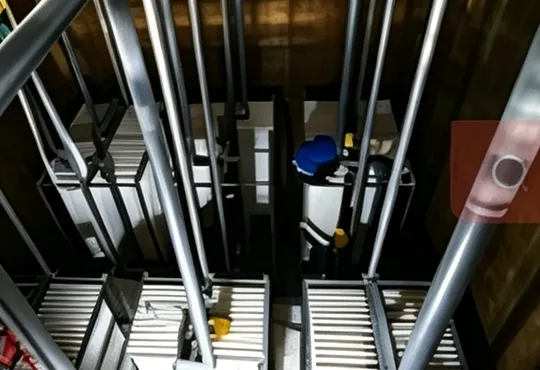
O biorreator de membrana está em funcionamento.
Onde são utilizados os sistemas de biorreatores de membrana?
Sistemas de biorreatores de membrana para águas residuais são utilizados em muitos setores e tipos de projetos. Permitem tratar águas residuais municipais, águas residuais domésticas e muitos tipos de águas residuais industriais.
Entre as aplicações mais comuns do MBR contam-se:
- Tratamento de águas residuais municipais
- Tratamento de águas residuais industriais
- Águas residuais de fábricas de alimentos e bebidas
- Águas residuais da indústria têxtil e de tingimento
- Águas residuais da indústria farmacêutica
- Águas residuais de fábricas químicas
- Suporte ao pré-tratamento de água ultrapura para a indústria de semicondutores e eletrónica
- Tratamento de águas residuais de hotéis e resorts
- Tratamento de águas residuais agrícolas e rurais
- Estações de tratamento de águas residuais em contentores
- Sistemas de tratamento montados em plataforma deslizante
- Tratamento descentralizado de águas residuais
- Projetos de reutilização da água
O aplicações dos biorreatores de membrana continuam a crescer, uma vez que muitos projetos necessitam de tecnologias de tratamento compactas, modulares e fiáveis. Para os distribuidores internacionais e os compradores de serviços EPC, os módulos MBR também podem ser integrados com membranas de osmose inversa (RO), membranas de ultrafiltração (UF), módulos de EDI e sistemas de tratamento de água pura.
O que causa a obstrução das membranas num MBR?
Incrustação da membrana é um dos principais desafios operacionais em Sistemas MBR. A obstrução ocorre quando sólidos, biomassa, óleo, gordura, materiais que formam incrustações ou microrganismos se acumulam na superfície da membrana ou no interior dos poros da membrana.
Entre as causas mais comuns contam-se:
| Causa da incrustação |
Resultado possível |
| Pré-tratamento insuficiente |
Cabelos, fibras ou resíduos bloqueiam a membrana |
| Elevada concentração de lamas |
Maior resistência durante a filtração |
| Má aeração |
Menos desgaste na superfície da membrana |
| Óleo e gordura |
Camada aderente de resíduos |
| Funcionamento com fluxo elevado |
Aumento mais rápido da pressão |
| Horário de limpeza inadequado |
Menor vida útil da membrana |
| Composição química inadequada das águas residuais |
Incrustação ou stress biológico |
Para reduzir a formação de incrustações, o funcionamento do MBR deve ser cuidadosamente controlado. Isto inclui a triagem, a aeração estável, a concentração correta de lamas, um fluxo razoável, a retrolavagem de rotina, a limpeza química e a substituição planeada das membranas.
Um bom projeto é fundamental. Um sistema de baixo custo com um pré-tratamento deficiente pode ficar obstruído rapidamente. Um sistema de biorreator de membrana devidamente projetado pode funcionar de forma mais eficiente e proteger o valor do projeto a longo prazo.
Em que medida o MBR se compara ao tratamento tradicional de águas residuais?
O tratamento tradicional de águas residuais recorre frequentemente a tanques biológicos e clarificadores secundários. O clarificador secundário permite que os lamas se sedimentem antes da descarga da água tratada. Este método pode funcionar bem, mas pode exigir mais terreno e pode ser afetado por uma sedimentação inadequada das lamas.
Um MBR substitui o clarificador secundário pela filtração por membrana. Isto permite criar um sistema de tratamento mais compacto e melhora a separação sólido-líquido. Em muitos projetos, o MBR consegue produzir um efluente mais límpido e facilitar a reutilização mais facilmente do que os sistemas convencionais de tratamento de águas residuais.
Tabela comparativa:
| Artigo |
Tratamento tradicional de águas residuais |
Sistema de Tratamento MBR |
| Separação sólido-líquido |
Clarificador secundário |
Filtração por membrana |
| Pegada ecológica |
Normalmente, maiores |
Normalmente mais pequenos |
| Sólidos em suspensão nos efluentes |
Depende da estabilização |
Mais baixo e mais estável |
| Concentração de biomassa |
Normalmente mais baixo |
Normalmente mais elevado |
| Potencial de reutilização |
Muitas vezes precisa de ser mais aperfeiçoado |
Uma base mais adequada para a reutilização |
| Desafio operacional |
Decantação de lamas |
Incrustação da membrana |
| Expansão |
Pode ser necessário realizar mais obras de engenharia civil |
Pode ser modular |
O MBR nem sempre é a opção mais económica na compra inicial. No entanto, quando a disponibilidade de terreno é limitada, as normas relativas aos efluentes são rigorosas ou é necessária a reutilização, pode ser a melhor escolha a longo prazo.
Como devem os compradores de EPC escolher um sistema de membranas MBR?
Os compradores de sistemas EPC devem escolher um sistema de membranas MBR com base nos dados relativos às águas residuais, nos objetivos do projeto, nas condições de funcionamento e no apoio a longo prazo. O preço é importante, mas não deve ser o único fator.
Antes de comprar, certifique-se de que:
- Qualidade da água afluente
Verifique o COD, o BOD, os SS, o óleo, a gordura, a salinidade, a temperatura, o pH e as substâncias tóxicas.
- Capacidade de tratamento
Confirmar o caudal médio, o caudal máximo e a procura futura de expansão.
- Meta relativa aos efluentes
Esclarecer as normas de descarga, os requisitos de reutilização ou as necessidades de tratamento avançado.
- Área da membrana e fluxo
Evite exercer uma pressão excessiva sobre a membrana. Um projeto conservador pode reduzir o risco de incrustação.
- Material da membrana e conceção do módulo
Escolha um tipo de membrana adequado às águas residuais e ao plano de manutenção.
- Nível de automatização
O controlo por PLC/SCADA contribui para melhorar a estabilidade operacional e a monitorização.
- Documentação e apoio à colocação em serviço
Os projetos EPC necessitam de desenhos, manuais, listas de E/S, descrições de processos e orientações para a entrada em funcionamento.
- Peças sobressalentes e assistência técnica
A substituição de membranas a longo prazo, as peças das bombas, as válvulas e o apoio técnico são essenciais.
Na qualidade de fabricante profissional e fornecedor com orientação para a engenharia, especializamo-nos em soluções personalizadas para o tratamento de águas residuais industriais, tratamento de águas residuais municipais, produção de água pura, sistemas de água ultrapura, reutilização de água, estações de tratamento em contentores, sistemas montados em skids e projetos complexos de tratamento de água no âmbito de contratos EPC.
De que forma a MBR contribui para o tratamento de águas residuais industriais?
As águas residuais industriais podem ser mais complexas do que as águas residuais municipais, uma vez que a qualidade da água varia consoante o setor industrial. As fábricas de produtos alimentares podem apresentar elevados teores de matéria orgânica. As águas residuais têxteis podem conter corantes e produtos químicos. As águas residuais farmacêuticas e químicas podem necessitar de um pré-tratamento especial antes do MBR.
Um MBR pode ser utilizado como parte de um sistema mais vasto de tratamento de águas residuais industriais. Pode seguir-se a um pré-tratamento, como equalização, coagulação, flotação por ar, tratamento anaeróbico ou dosagem de produtos químicos. Após o MBR, podem ser adicionadas etapas de tratamento adicionais, como osmose inversa (RO), carvão ativado, desinfeção ou EDI.
Isto torna o MBR útil para integradores de sistemas e empreiteiros de engenharia ambiental. Pode funcionar como a etapa central de tratamento biológico e de filtração numa solução completa de tratamento de águas residuais.
De que forma o MBR apoia o tratamento de águas residuais municipais?
No que diz respeito ao tratamento de águas residuais municipais, o MBR pode ajudar a produzir efluentes estáveis num espaço mais reduzido. Isto é útil para estações de tratamento de águas residuais urbanas, projetos em concelhos, projetos de saneamento rural, hotéis, zonas comerciais e tratamento descentralizado de águas residuais.
As águas residuais municipais são frequentemente mais estáveis do que muitos fluxos de águas residuais industriais, o que torna o MBR mais fácil de conceber e operar. Um projeto de tratamento de águas residuais municipais pode recorrer a sistemas de biorreatores de membrana submersos com múltiplos cassetes de membrana para permitir uma expansão modular.
Para os responsáveis por projetos municipais, as principais preocupações incluem a qualidade dos efluentes, os custos de exploração, o consumo de energia, a limpeza das membranas, o fornecimento de peças sobressalentes e a formação dos operadores. Um fornecedor fiável de sistemas MBR deve prestar apoio tanto na fase de conceção como na prestação de serviços a longo prazo.
O que caracteriza um bom fabricante de sistemas MBR?
Um bom fabricante de sistemas MBR não deve limitar-se a vender membranas. Deve compreender a conceção de processos, as aplicações das membranas, a engenharia de projetos, a automatização e o comissionamento. Isto é especialmente importante para empreiteiros EPC e distribuidores no estrangeiro.
Um fornecedor de referência deve oferecer:
- Seleção do módulo de membrana
- Opções de membranas de fibra oca e de folha plana
- Apoio à conceção de processos
- Concepção de sistemas montados em plataforma ou em contentor
- Suporte à automação PLC / SCADA
- Desenhos técnicos e documentação
- Testes na fábrica antes da expedição
- Orientações para a colocação em serviço
- Fornecimento de peças sobressalentes
- Cooperação técnica a longo prazo
Para os compradores B2B, isto reduz o risco do projeto. Além disso, ajuda a garantir que a tecnologia do biorreator de membrana funcione em condições reais no local, e não apenas no papel.
Perguntas frequentes sobre os biorreatores de membrana (MBR)
O que é um biorreator de membrana (MBR)?
Um biorreator de membrana (MBR) é um sistema de tratamento de águas residuais que combina o tratamento biológico com a filtração por membrana. O processo biológico remove a poluição orgânica, enquanto a membrana separa a água tratada dos sólidos em suspensão e da biomassa.
Como funciona um biorreator de membrana?
Um biorreator de membrana funciona utilizando microrganismos para tratar águas residuais num tanque de biorreator. Em seguida, a membrana filtra o líquido misturado e permite a passagem do efluente limpo, retendo simultaneamente os lamas e os sólidos no interior do sistema.
Qual é a diferença entre o MBR e o tratamento tradicional de águas residuais?
O tratamento tradicional de águas residuais recorre normalmente a um clarificador secundário para a sedimentação das lamas. O MBR, por sua vez, utiliza a filtração por membrana. Isto permite reduzir a área ocupada, melhorar a qualidade do efluente e facilitar a reutilização da água.
O que provoca a obstrução da membrana num sistema MBR?
A obstrução da membrana pode ser causada por sólidos em suspensão, acumulação de biomassa, óleo, gordura, incrustações, aeração insuficiente, fluxo elevado ou pré-tratamento ineficaz. Um bom funcionamento e uma limpeza regular ajudam a controlar a obstrução.
O MBR é adequado para o tratamento de águas residuais industriais?
Sim. O MBR pode ser utilizado em muitos projetos de tratamento de águas residuais industriais, incluindo águas residuais dos setores alimentar e de bebidas, têxtil, farmacêutico, químico, eletrónico e de parques industriais. Pode ser necessário um pré-tratamento, dependendo da qualidade das águas residuais.
O efluente do MBR pode ser reutilizado?
Sim. O efluente do MBR pode ser utilizado para a reutilização da água após uma desinfeção adequada ou um tratamento adicional. Dependendo das normas de reutilização, podem ser adicionados tratamentos com membrana de osmose inversa (RO), membrana de ultrafiltração (UF), carvão ativado ou EDI.
Pontos-chave
- Um Biorreator de membrana (MBR) combina o tratamento biológico com a filtração por membrana.
- A membrana separa o efluente limpo dos sólidos em suspensão e da biomassa.
- O MBR permite reduzir a área ocupada em comparação com os sistemas tradicionais de tratamento de águas residuais.
- Os sistemas MBR são utilizados no tratamento de águas residuais municipais, águas residuais industriais, águas residuais domésticas e em projetos de reutilização de água.
- Entre os tipos mais comuns de membranas contam-se as membranas de fibra oca e as membranas planas.
- A obstrução da membrana constitui o principal desafio operacional e deve ser controlada através da conceção, da aeração, da limpeza e do pré-tratamento.
- Os compradores de sistemas EPC devem verificar os dados relativos ao afluente, os padrões de efluente, a capacidade de tratamento, a área das membranas, a automatização, a documentação e o apoio em peças sobressalentes.
- Um fabricante de MBR de confiança deve fornecer módulos de membrana, conceção de sistemas, apoio em PLC/SCADA, orientação para a entrada em funcionamento e assistência a longo prazo.
- O MBR pode ser integrado com UF, RO, EDI, sistemas em contentores, instalações montadas em skids e soluções completas de tratamento de água.
- Para garantir o sucesso do projeto a longo prazo, escolha o sistema com base nas condições reais das águas residuais e não apenas no preço mais baixo do equipamento.











 17:50
17:50