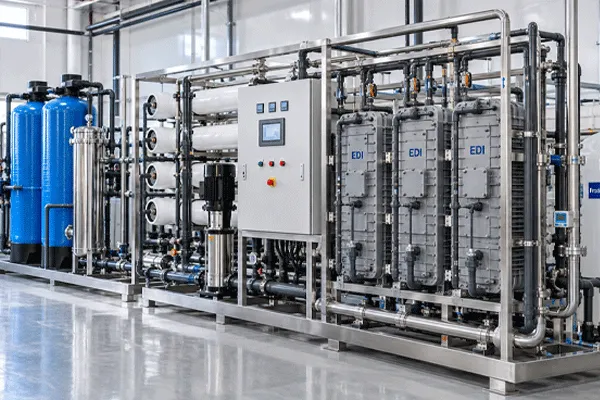
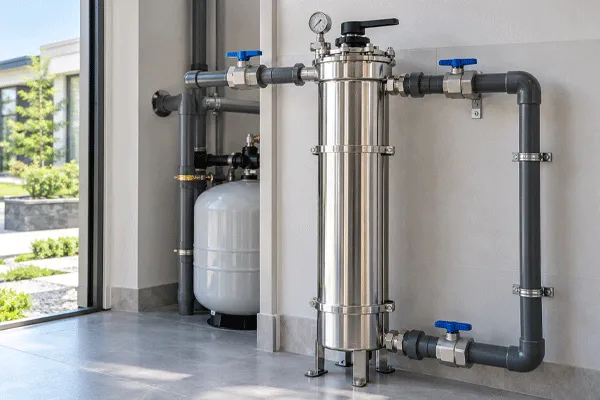
تواجه العديد من مشاريع معالجة مياه الصرف الصحي تحديات تتمثل في المساحة المحدودة، وقواعد التصريف الصارمة، وعدم استقرار جودة المياه. وقد تتطلب الأنظمة التقليدية خزانات كبيرة وخطوات معالجة إضافية. و المفاعل الحيوي الغشائي (MBR) توفر طريقة موجزة لمعالجة مياه الصرف الصحي باستخدام الترشيح الغشائي المستقر.
و المفاعل الحيوي الغشائي (MBR) هو نظام لمعالجة مياه الصرف الصحي الذي تجمع بين المعالجة البيولوجية باستخدام الترشيح الغشائي، وهي عبارة عن مفاعلات حيوية غشائية لمعالجة مياه الصرف. تعمل الكائنات الحية الدقيقة على تحلل الملوثات داخل خزان المفاعل الحيوي، بينما يقوم الغشاء بفصل المياه المعالجة النظيفة عن المواد الصلبة العالقة والكتلة الحيوية. وتستخدم هذه التقنية على نطاق واسع في معالجة مياه الصرف البلدية والصناعية، وإعادة استخدام المياه، وأنظمة المعالجة المدمجة.
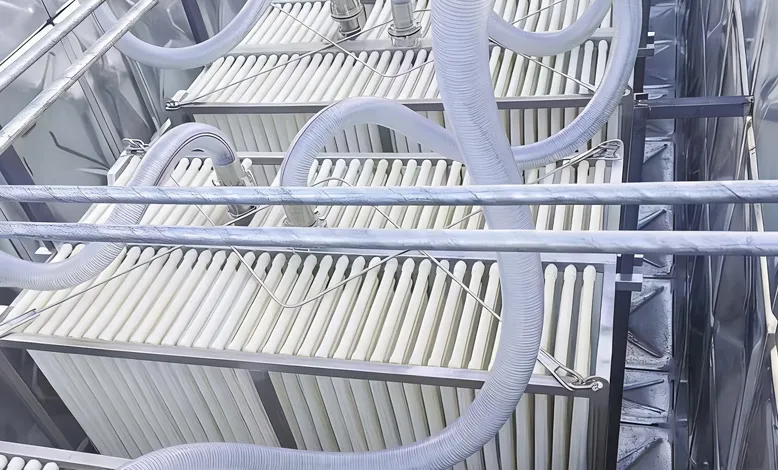
المفاعل الحيوي mbr
مخطط المقال
- ما هو المفاعل الحيوي الغشائي (MBR)؟
- كيف يعمل المفاعل الحيوي الغشائي؟
- ما هي الأجزاء الرئيسية لنظام MBR؟
- ما أهمية الترشيح الغشائي في عملية المعالجة؟
- ما هي أنواع الوحدات الغشائية المستخدمة في أنظمة MBR؟
- ما هي مزايا المفاعلات الحيوية الغشائية؟
- أين تُستخدم أنظمة المفاعلات الحيوية الغشائية؟
- ما الذي يتسبب في انسداد الأغشية في نظام MBR؟
- كيف تقارن تقنية MBR بمعالجة مياه الصرف الصحي التقليدية؟
- كيف ينبغي لمشتري أنظمة EPC اختيار نظام الأغشية MBR؟
- الأسئلة الشائعة حول المفاعلات الحيوية الغشائية (MBR)
- النقاط الرئيسية
ما هو المفاعل الحيوي الغشائي (MBR)؟
و MBR, ، اختصار لـ المفاعل الحيوي الغشائي, ، هي عملية متطورة لمعالجة مياه الصرف الصحي ومفاعلات حيوية غشائية مخصصة لمعالجة مياه الصرف الصحي. وهي تعتمد على عملية بيولوجية لتفكيك الملوثات العضوية وعملية غشائية لفصل النفايات السائلة النظيفة عن المواد الصلبة. وهذا يعني أن النظام قادر على معالجة مياه الصرف الصحي وتصفيتها في تصميم مدمج واحد باستخدام ترشيح المفاعلات الحيوية الغشائية.
الـ غشاء وهو الجزء الرئيسي المسؤول عن الفصل. فهو يعمل كحاجز مادي دقيق. حيث يمر الماء عبر الغشاء، بينما تبقى المواد الصلبة العالقة والحمأة والكتلة الحيوية داخل خزان المفاعل الحيوي. وهذا يساعد نظام MBR على إنتاج مياه صرف أكثر نقاءً مقارنةً بالعديد من أنظمة معالجة مياه الصرف الصحي التقليدية.
بالنسبة لمقاولي EPC ومحطات معالجة مياه الصرف الصحي البلدية ومالكي المنشآت الصناعية وشركات تكامل الأنظمة، فإن هذا الأمر ذو قيمة كبيرة لأن نظام MBR يمكنها توفير المساحة، ودعم إعادة استخدام المياه، وتحسين استقرار عملية المعالجة. بصفتنا شركة مصنعة ومزودًا متخصصًا في الهندسة لأنظمة معالجة المياه ومياه الصرف الصحي، فإننا ندعم أغشية MBR ذات الألياف المجوفة، وأغشية الترشيح الفائق (UF) ذات الألياف المجوفة، وأغشية MBR المسطحة، وأغشية التناضح العكسي (RO)، ووحدات التناضح الكهربائي (EDI)، ومحطات معالجة المياه النقية، ومحطات معالجة مياه الصرف الصحي، وأنظمة الترشيح الغشائي المتكاملة، كما أن تقنية الأغشية لدينا متطورة للغاية.
كيف يعمل المفاعل الحيوي الغشائي؟
A المفاعل الحيوي الغشائي يعمل هذا النظام من خلال الجمع بين خطوتين: المعالجة البيولوجية والترشيح الغشائي. أولاً، تدخل مياه الصرف إلى خزان المفاعل الحيوي. حيث تقوم الكائنات الحية الدقيقة الموجودة في الخزان باستهلاك المواد العضوية والمساعدة في تقليل الملوثات. ويشبه هذا الجزء عملية المعالجة البيولوجية لمياه الصرف.
بعد ذلك، فإن الترشيح الغشائي تفصل هذه الخطوة المياه المعالجة عن السائل المختلط. حيث يحافظ الغشاء على بقاء الكتلة الحيوية داخل المفاعل الحيوي ويسمح بمرور النفايات السائلة النظيفة. وفي العديد من الأنظمة، يحل الغشاء محل جهاز التصفية الثانوية المستخدم في معالجة مياه الصرف الصحي التقليدية.
تبدو عملية MBR البسيطة كما يلي:
| خطوة العملية |
ماذا يحدث |
| المعالجة المسبقة |
تعمل الشبكات على إزالة الحطام الكبير والشعر والحبيبات الرملية والألياف |
| خزان المفاعل الحيوي |
تقوم الكائنات الدقيقة بتحلل المواد العضوية |
| الترشيح الغشائي |
يقوم الغشاء بفصل النفايات السائلة عن المواد الصلبة العالقة |
| تصريف النفاذات |
تخرج المياه المعالجة من النظام |
| التحكم في الحمأة |
تتم إزالة الحمأة الزائدة عند الحاجة |
| تنظيف الأغشية |
يساعد التنظيف على الحد من الترسبات والحفاظ على التدفق |
يمكن أن تضمن عملية المعالجة هذه التشغيل المستقر عندما تتوافق العناصر التالية بشكل صحيح: التصميم، والتهوية، ومساحة الأغشية، وطريقة التنظيف.
ما هي الأجزاء الرئيسية لنظام MBR؟
كامل نظام MBR يتضمن أكثر من وحدة غشائية واحدة. وهو نظام معالجة متكامل يشتمل على خزانات ومضخات ونظام تهوية وأجهزة تحكم ووحدات تنظيف ومعدات معالجة. ويؤثر كل جزء من هذه الأجزاء على أداء النظام.
وتشمل الأجزاء الرئيسية ما يلي:
| جزء من نظام MBR |
الوظيفة الرئيسية |
| وحدة الغربلة أو المعالجة المسبقة |
يحمي الغشاء من الجسيمات الصلبة الكبيرة |
| خزان المفاعل الحيوي |
يحتوي على الحمأة النشطة والكتلة الحيوية |
| نظام التهوية |
يوفر الأكسجين ويساعد على تنظيف سطح الغشاء |
| وحدة غشائية |
تقوم المرشحات بمعالجة المياه المستخرجة من السائل المختلط |
| مضخة شفط |
تتسرب السوائل عبر الغشاء |
| نظام الغسيل العكسي أو نظام التنظيف |
يساعد على الحد من انسداد الأغشية |
| التحكم عبر PLC / SCADA |
يدير العمليات والإنذارات والأتمتة |
| نظام تصريف الحمأة |
يزيل الكتلة الحيوية الزائدة |
| وحدة الجرعات الكيميائية |
يدعم عمليات التنظيف والتحكم في العمليات |
الـ وحدة غشائية وهو أحد أهم العناصر، لكنه لا يمكن أن يعمل بمفرده. فهناك حاجة أيضًا إلى معالجة أولية جيدة، ومعالجة بيولوجية مستقرة، وتهوية صحيحة، وعمليات تحكم موثوقة.
بالنسبة لمحطات معالجة مياه الصرف الصناعية أو محطات معالجة مياه الصرف البلدية، يجب أن يتضمن التصميم أيضًا مساحة للوصول من أجل الفحص، ورفع الوحدات، واستبدال الأغشية، والتنظيف الكيميائي، والصيانة طويلة الأجل، والمفاعلات البيولوجية الغشائية.
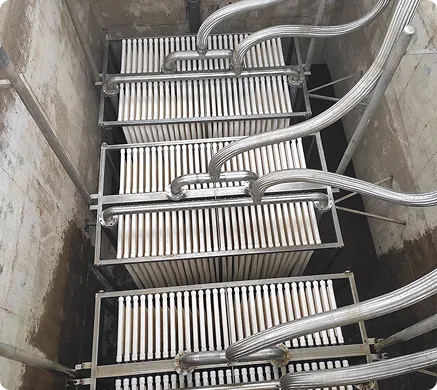
ما هو المفاعل الحيوي الغشائي MBR؟ نظام MBR ودليل تكنولوجيا الأغشية لمعالجة مياه الصرف الصحي
ما أهمية الترشيح الغشائي في عملية المعالجة؟
الترشيح الغشائي وهو أمر مهم لأنه يشكل حاجزًا ماديًا قويًّا في عملية معالجة مياه الصرف. حيث يقوم الغشاء بتصفية المواد الصلبة العالقة والكتلة الحيوية، مما يجعل مياه الصرف النهائية أكثر نقاءً واستقرارًا.
في المعالجة التقليدية، يعمل جهاز التصفية الثانوية على فصل الحمأة بالاعتماد على الجاذبية. وقد يتأثر هذا العملية بمشاكل ترسيب الحمأة، والتغيرات في التدفق، وظروف التشغيل. أما في نظام MBR، فإن الفصل الغشائي لا يعتمد فقط على الترسيب بالجاذبية. وهذا أحد الأسباب التي تجعل نظام MBR يوفر جودة مياه تصريف أكثر استقرارًا.
وبالنسبة لمشاريع إعادة استخدام المياه، يكتسب هذا الأمر أهمية أكبر. فالمياه العادمة النقية يمكن أن تدعم خطوات معالجة إضافية مثل التطهير، أو الترشيح بالتصفية الفائقة (UF)، أو المعالجة بالأغشية التناضحية العكسية (RO)، أو المعالجة النهائية بالتناضح الكهربائي (EDI). وهذا يجعل تقنية MBR مفيدة في مشاريع معالجة المياه ومياه الصرف الصحي التي تتطلب إعادة الاستخدام، أو الامتثال لمعايير التصريف، أو التصميم المدمج.
ما هي أنواع الوحدات الغشائية المستخدمة في أنظمة MBR؟
تشمل الأنواع الشائعة لأغشية MBR الأغشية الليفية المجوفة، والأغشية المسطحة، وغيرها من الأغشية المغمورة. ويتميز كل نوع من هذه الأغشية بمزاياه وقيوده وظروفه المثلى للاستخدام.
عادةً ما يوفر غشاء MBR ذو الألياف المجوفة مساحة غشائية كبيرة في مساحة مدمجة. ويُستخدم على نطاق واسع في معالجة مياه الصرف الصحي البلدية، ومياه الصرف الصحي المنزلية، والعديد من تطبيقات معالجة مياه الصرف الصناعي. وقد يكون الغشاء المسطح أسهل في الفحص، كما أنه قد يكون مناسبًا لتدفقات مياه الصرف التي تنطوي على مخاطر تلوث أعلى.
تشمل الخيارات الشائعة لوحدات الأغشية ما يلي:
| نوع الغشاء |
الاستخدام الشائع |
الميزة الرئيسية |
| غشاء الألياف المجوفة |
أنظمة الصرف الصحي البلدية والأنظمة المدمجة |
كثافة تعبئة غشائية عالية |
| غشاء صفائحي مسطح |
مياه الصرف الصناعية وتصاميم سهلة الصيانة |
فحص بصري أسهل |
| كاسيت غشائي |
مشاريع محطات معالجة كبيرة |
التركيب المعياري |
| وحدة المفاعل الحيوي ذي الأغشية المغمورة |
خزانات MBR المدمجة |
معالجة مدمجة وفعالة |
يعتمد اختيار نوع الغشاء المناسب على جودة المياه الواردة، وسعة المعالجة، ومواد الغشاء، وتكلفة الغشاء، ومهارات التشغيل، ومتطلبات التنظيف. وبالنسبة لمشاريع EPC، يجب أن يتوافق نظام الأغشية مع الأهداف التقنية وقدرات الصيانة المحلية على حد سواء.
ما هي مزايا المفاعلات الحيوية الغشائية؟
الـ مزايا المفاعلات الحيوية الغشائية تتضح مزاياها في العديد من تطبيقات معالجة مياه الصرف الصحي. وتتميز تقنية MBR بتصميمها المدمج، وفعالية فصل المواد الصلبة عن السوائل، وجودة مياه الصرف الناتجة، بالإضافة إلى سهولة الأتمتة وتطبيقات المفاعلات الحيوية.
تشمل المزايا الرئيسية ما يلي:
| الميزة |
لماذا هذا مهم؟ |
| مساحة أصغر |
مفيد في حالة المساحات المحدودة أو مشاريع إعادة التأهيل |
| نفايات سائلة مستقرة |
يدعم الامتثال لمعايير التصريف وإعادة الاستخدام |
| لا يوجد خزان ترسيب ثانوي |
يبسط عملية الفصل بين المواد الصلبة والسوائل |
| تركيز عالٍ للكتلة الحيوية |
يدعم المعالجة البيولوجية الفعالة |
| تصميم النظام المعياري |
مناسبة للأنظمة المعبأة في حاويات أو المثبتة على منصات انزلاقية |
| أتمتة PLC / SCADA |
سهولة أكبر في المراقبة والتشغيل |
| إمكانية إعادة الاستخدام |
تُستخدم في الري أو الشطف أو إعادة الاستخدام الصناعي بعد معالجتها بشكل مناسب |
فيما يتعلق بمعالجة مياه الصرف الصحي البلدية والصناعية، يمكن لتقنية MBR أن تساعد أصحاب المشاريع على الوفاء بالأهداف الصارمة المتعلقة بمياه الصرف مع التخفيف من الضغط على المساحة. ويعد ذلك مفيدًا بشكل خاص للمجمعات الصناعية والفنادق والمصانع والمزارع والمباني التجارية ومشاريع البنية التحتية.
لا يقتصر ما يقدمه نظام معالجة مياه الصرف الصحي البيولوجي (MBR) من قيمة على توفير مياه أنظف فحسب، بل يمتد أيضًا إلى تحسين تخطيط المشاريع. فعندما يتم تصميم النظام بشكل جيد، يمكنه تقليل المساحة المطلوبة، وتبسيط عمليات التوسع، ودعم التشغيل على المدى الطويل.
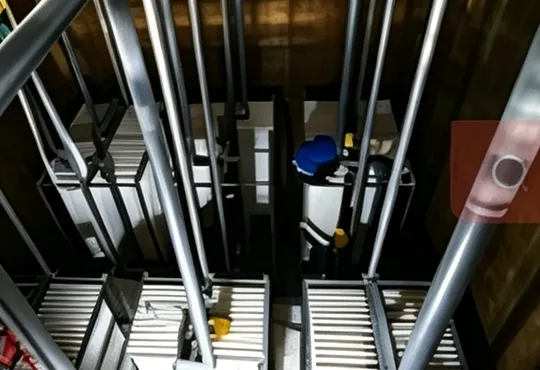
المفاعل الحيوي الغشائي قيد التشغيل.
أين تُستخدم أنظمة المفاعلات الحيوية الغشائية؟
أنظمة المفاعلات الحيوية الغشائية لمعالجة مياه الصرف الصحي تُستخدم في العديد من الصناعات وأنواع المشاريع. وهي قادرة على معالجة مياه الصرف الصحي البلدية، ومياه الصرف الصحي المنزلية، والعديد من أنواع مياه الصرف الصحي الصناعية.
تشمل التطبيقات الشائعة لنظام MBR ما يلي:
- معالجة مياه الصرف الصحي البلدية
- معالجة مياه الصرف الصناعي
- مياه الصرف الصحي من مصانع الأغذية والمشروبات
- مياه الصرف الناتجة عن صناعة المنسوجات والصباغة
- مياه الصرف الصيدلانية
- مياه الصرف الصحي من المصانع الكيميائية
- دعم المعالجة المسبقة للمياه فائقة النقاء في مجال أشباه الموصلات والإلكترونيات
- معالجة مياه الصرف الصحي في الفنادق والمنتجعات
- معالجة مياه الصرف الصحي في المزارع والمناطق الريفية
- محطات معالجة مياه الصرف الصحي المعبأة في حاويات
- أنظمة المعالجة المركبة على منصة انزلاقية
- معالجة مياه الصرف الصحي اللامركزية
- مشاريع إعادة استخدام المياه
الـ تطبيقات المفاعلات الحيوية الغشائية تستمر في النمو لأن العديد من المشاريع تحتاج إلى تقنيات معالجة مدمجة ومعيارية وموثوقة. وبالنسبة للموزعين الدوليين ومشتري خدمات التصميم والشراء والبناء (EPC)، يمكن أيضًا دمج وحدات MBR مع أغشية التناضح العكسي (RO) وأغشية الترشيح الفائق (UF) ووحدات التناضح الكهربائي (EDI) وأنظمة معالجة المياه النقية.
ما أسباب انسداد الأغشية في نظام MBR؟
تراكم الرواسب على الغشاء يُعد أحد التحديات التشغيلية الرئيسية في أنظمة MBR. يحدث التلوث عندما تتراكم المواد الصلبة، أو الكتلة الحيوية، أو الزيت، أو الشحوم، أو المواد المتكلسة، أو الكائنات الدقيقة على سطح الغشاء أو داخل مسامه.
تشمل الأسباب الشائعة ما يلي:
| سبب التلوث |
النتيجة المحتملة |
| معالجة أولية ضعيفة |
تسد الشعيرات أو الألياف أو الحطام الغشاء |
| تركيز عالٍ للحمأة |
زيادة المقاومة أثناء عملية الترشيح |
| ضعف التهوية |
تقليل التآكل على سطح الغشاء |
| الزيوت والشحوم |
طبقة التلوث اللاصقة |
| التشغيل بتدفق عالٍ |
زيادة أسرع في الضغط |
| جدول تنظيف غير مناسب |
عمر غشاء أقصر |
| تركيب كيميائي غير مناسب لمياه الصرف الصحي |
التكلس أو الإجهاد البيولوجي |
للحد من الترسبات، يجب التحكم في تشغيل نظام MBR بعناية. ويشمل ذلك الغربلة، والتهوية المستقرة، وتركيز الحمأة الصحيح، والتدفق المعقول، والغسل العكسي الروتيني، والتنظيف الكيميائي، واستبدال الأغشية وفق خطة محددة.
التصميم الجيد له أهميته. فقد يتعرض النظام منخفض التكلفة الذي يعتمد على معالجة أولية رديئة للتلوث بسرعة. أما نظام المفاعل الحيوي الغشائي المصمم بشكل سليم، فيمكنه العمل بسلاسة أكبر والحفاظ على قيمة المشروع على المدى الطويل.
كيف تقارن تقنية MBR بمعالجة مياه الصرف الصحي التقليدية؟
غالبًا ما تستخدم الطرق التقليدية لمعالجة مياه الصرف الصحي خزانات بيولوجية ومصافي ثانوية. تسمح المصفاة الثانوية للحمأة بالترسب قبل تصريف المياه المعالجة. يمكن أن تكون هذه الطريقة فعالة، لكنها قد تتطلب مساحة أكبر من الأرض وقد تتأثر بسوء ترسب الحمأة.
يستبدل نظام MBR (المرشح الغشائي) خزان التصفية الثانوي بعملية الترشيح الغشائي. ويؤدي ذلك إلى إنشاء نظام معالجة أكثر إحكاما وتحسين عملية فصل المواد الصلبة عن السوائل. وفي العديد من المشاريع، يمكن لنظام MBR إنتاج مياه صرف أكثر نقاءً وتسهيل إعادة استخدامها مقارنةً بأنظمة معالجة مياه الصرف الصحي التقليدية.
جدول المقارنة:
| البند |
المعالجة التقليدية لمياه الصرف الصحي |
نظام المعالجة باستخدام تقنية MBR |
| الفصل بين المواد الصلبة والسوائل |
مُصفي ثانوي |
الترشيح الغشائي |
| البصمة |
عادةً ما تكون أكبر |
عادةً ما تكون أصغر |
| المواد الصلبة العالقة في النفايات السائلة |
يعتمد ذلك على التسوية |
أقل وأكثر استقرارًا |
| تركيز الكتلة الحيوية |
عادةً ما يكون أقل |
عادةً ما تكون أعلى |
| إمكانية إعادة الاستخدام |
غالبًا ما يحتاج إلى مزيد من الصقل |
أساس أفضل لإعادة الاستخدام |
| تحدي العملية |
ترسيب الحمأة |
تراكم الرواسب على الغشاء |
| التوسع |
قد يتطلب الأمر المزيد من أعمال البناء المدنية |
يمكن أن تكون ذات تصميم معياري |
لا يُعد نظام المعالجة الحيوية (MBR) دائمًا الخيار الأقل تكلفة عند الشراء الأولي. ولكن عندما تكون المساحات المتاحة محدودة، أو تكون معايير مياه الصرف صارمة، أو يكون إعادة الاستخدام أمرًا ضروريًا، فقد يكون هذا النظام هو الخيار الأفضل على المدى الطويل.
كيف ينبغي لمشتري مشاريع EPC اختيار نظام الأغشية MBR؟
ينبغي على مشتري مشاريع EPC اختيار نظام غشاء MBR استنادًا إلى بيانات مياه الصرف الصحي، وأهداف المشروع، وظروف التشغيل، والدعم على المدى الطويل. فالسعر مهم، لكنه لا ينبغي أن يكون العامل الوحيد.
قبل الشراء، تأكد من:
- جودة المياه الواردة
افحص قيم COD وBOD وSS والزيوت والشحوم والملوحة ودرجة الحرارة ودرجة الحموضة والمواد السامة.
- القدرة الاستيعابية للعلاج
تحديد متوسط التدفق، وذروة التدفق، والطلب المتوقع للتوسع في المستقبل.
- الهدف المتعلق بالمخلفات السائلة
توضيح معايير التصريف، ومتطلبات إعادة الاستخدام، أو احتياجات المعالجة المتقدمة.
- مساحة الغشاء والتدفق
تجنب الضغط على الغشاء بقوة مفرطة. يمكن أن يقلل التصميم المتحفظ من مخاطر التلوث.
- مواد الأغشية وتصميم الوحدات
اختر نوع الغشاء الذي يتناسب مع طبيعة مياه الصرف وخطة الصيانة.
- مستوى الأتمتة
يساعد نظام التحكم PLC/SCADA على تحسين استقرار التشغيل والمراقبة.
- دعم التوثيق والتشغيل
تتطلب مشاريع EPC رسومات، وأدلة، وقوائم الإدخال/الإخراج، ووصف العمليات، وإرشادات التشغيل.
- قطع الغيار والخدمات
يُعد استبدال الأغشية على المدى الطويل، وقطع غيار المضخات، والصمامات، والدعم الفني أمورًا أساسية.
بصفتنا شركة تصنيع محترفة ومزودًا يركز على الجانب الهندسي، فإننا نتخصص في توفير حلول معالجة مخصصة لمعالجة مياه الصرف الصناعي، ومعالجة مياه الصرف الصحي البلدية، وإنتاج المياه النقية، وأنظمة المياه فائقة النقاء، وإعادة استخدام المياه، ومحطات المعالجة المعبأة في حاويات، والأنظمة المركبة على منصات متحركة، ومشاريع معالجة المياه المعقدة بنظام EPC.
كيف تدعم تقنية MBR معالجة مياه الصرف الصناعية؟
قد تكون مياه الصرف الصناعية أكثر تعقيدًا من مياه الصرف البلدية، لأن جودة المياه تختلف باختلاف الصناعة. فقد تحتوي مياه الصرف الناتجة عن مصانع الأغذية على نسبة عالية من المواد العضوية. وقد تحتوي مياه الصرف الناتجة عن صناعة النسيج على أصباغ ومواد كيميائية. وقد تحتاج مياه الصرف الناتجة عن الصناعات الدوائية والكيميائية إلى معالجة أولية خاصة قبل المرور عبر نظام MBR.
يمكن استخدام تقنية MBR كجزء من نظام أكبر لمعالجة مياه الصرف الصناعي. وقد تأتي بعد مرحلة المعالجة الأولية، مثل معادلة المستوى، والتخثر، والتعويم الهوائي، والمعالجة اللاهوائية، أو إضافة المواد الكيميائية. وبعد مرحلة MBR، يمكن إضافة خطوات معالجة إضافية مثل التناضح العكسي (RO)، أو الكربون المنشط، أو التطهير، أو التناضح الكهربائي (EDI).
وهذا يجعل نظام MBR مفيدًا لشركات تكامل الأنظمة ومقاولي الهندسة البيئية. ويمكن أن يُستخدم كمرحلة بيولوجية ومرحلة ترشيح أساسية في حل متكامل لمعالجة مياه الصرف الصحي.
كيف تدعم تقنية MBR معالجة مياه الصرف الصحي البلدية؟
فيما يتعلق بمعالجة مياه الصرف الصحي البلدية، يمكن أن تساعد تقنية MBR في إنتاج مياه صرف مستقرة في مساحة أصغر. ويعد ذلك مفيدًا لمحطات معالجة مياه الصرف الصحي في المدن، ومشاريع البلدات، ومشاريع الصرف الصحي في المناطق الريفية، والفنادق، والمناطق التجارية، ومعالجة مياه الصرف الصحي اللامركزية.
غالبًا ما تكون مياه الصرف الصحي البلدية أكثر استقرارًا من العديد من تدفقات مياه الصرف الصناعي، مما يجعل تصميم وتشغيل مفاعل الأغشية الحيوي (MBR) أسهل. وقد يستخدم مشروع معالجة مياه الصرف الصحي البلدية أنظمة مفاعل الأغشية الحيوي المغمور المزودة بعدة خزائن أغشية من أجل التوسع النمطي.
بالنسبة لمالكي المشاريع البلدية، تشمل الشواغل الرئيسية جودة مياه الصرف، وتكلفة التشغيل، واستهلاك الطاقة، وتنظيف الأغشية، وتوريد قطع الغيار، وتدريب المشغلين. وينبغي أن يوفر المورد الموثوق لنظام MBR الدعم في كل من التصميم والخدمات طويلة الأجل.
ما الذي يميز الشركة المصنعة الجيدة لأنظمة MBR؟
لا ينبغي أن يقتصر دور الشركة المصنعة الجيدة لأنظمة MBR على بيع الأغشية فحسب، بل يجب أن تكون على دراية بتصميم العمليات، وتطبيقات الأغشية، وهندسة المشاريع، والأتمتة، والتشغيل. ويكتسب هذا الأمر أهمية خاصة بالنسبة لمقاولي EPC والموزعين في الخارج.
يجب أن يوفر المورد القوي ما يلي:
- اختيار الوحدة الغشائية
- خيارات الألياف المجوفة والأغشية المسطحة
- دعم تصميم العمليات
- تصميم نظام مُركَّب على منصة انزلاقية أو في حاوية
- دعم أتمتة أنظمة PLC / SCADA
- الرسومات الفنية والوثائق
- الاختبار في المصنع قبل الشحن
- إرشادات التشغيل
- توريد قطع الغيار
- التعاون التقني طويل الأجل
بالنسبة للمشترين في قطاع الأعمال (B2B)، يقلل ذلك من مخاطر المشروع. كما يساعد على ضمان أن تعمل تقنية المفاعل الحيوي الغشائي في الظروف الفعلية للموقع، وليس على الورق فحسب.
الأسئلة الشائعة حول المفاعلات الحيوية الغشائية (MBR)
ما هو المفاعل الحيوي الغشائي (MBR)؟
المفاعل الحيوي الغشائي (MBR) هو نظام لمعالجة مياه الصرف الصحي يجمع بين المعالجة البيولوجية والترشيح الغشائي. تعمل العملية البيولوجية على إزالة التلوث العضوي، بينما يعمل الغشاء على فصل المياه المعالجة عن المواد الصلبة العالقة والكتلة الحيوية.
كيف يعمل المفاعل الحيوي الغشائي؟
يعمل المفاعل الحيوي الغشائي عن طريق استخدام الكائنات الحية الدقيقة لمعالجة مياه الصرف الصحي داخل خزان المفاعل الحيوي. ثم يقوم الغشاء بتصفية السائل المختلط، ويسمح بمرور المياه النظيفة بينما يحتفظ بالحمأة والمواد الصلبة داخل النظام.
ما الفرق بين تقنية MBR ومعالجة مياه الصرف الصحي التقليدية؟
عادةً ما تستخدم الطريقة التقليدية لمعالجة مياه الصرف الصحي خزان ترسيب ثانوي لترسيب الحمأة. أما تقنية MBR فتستخدم بدلاً من ذلك الترشيح الغشائي. ويمكن أن يؤدي ذلك إلى تقليل المساحة المطلوبة، وتحسين جودة المياه المعالجة، ودعم إعادة استخدام المياه.
ما الذي يتسبب في انسداد الغشاء في نظام MBR؟
يمكن أن ينتج تلوث الأغشية عن المواد الصلبة العالقة، أو تراكم الكتلة الحيوية، أو الزيت، أو الشحوم، أو الترسبات الكلسية، أو سوء التهوية، أو ارتفاع معدل التدفق، أو ضعف المعالجة المسبقة. ويساعد التشغيل السليم والتنظيف المنتظم في الحد من التلوث.
هل تعد تقنية MBR مناسبة لمعالجة مياه الصرف الصناعية؟
نعم. يمكن استخدام تقنية MBR في العديد من مشاريع معالجة مياه الصرف الصناعي، بما في ذلك مياه الصرف الناتجة عن صناعات الأغذية والمشروبات، والمنسوجات، والأدوية، والكيماويات، والإلكترونيات، والمجمعات الصناعية. وقد تكون المعالجة المسبقة ضرورية اعتمادًا على جودة مياه الصرف.
هل يمكن إعادة استخدام مياه الصرف الناتجة عن نظام الترشيح البيولوجي (MBR)؟
نعم. يمكن استخدام مياه الصرف الناتجة عن تقنية MBR في إعادة استخدام المياه بعد تعقيمها بشكل سليم أو إخضاعها لمعالجة إضافية. واعتمادًا على معايير إعادة الاستخدام، يمكن إضافة غشاء التناضح العكسي (RO) أو غشاء الترشيح الفائق (UF) أو الكربون المنشط أو معالجة EDI.
النقاط الرئيسية
- و المفاعل الحيوي الغشائي (MBR) تجمع بين المعالجة البيولوجية والترشيح الغشائي.
- تقوم الغشاء بفصل النفايات السائلة النظيفة عن المواد الصلبة العالقة والكتلة الحيوية.
- يمكن لنظام MBR أن يقلل من المساحة المطلوبة مقارنةً بالطرق التقليدية لمعالجة مياه الصرف الصحي.
- تُستخدم أنظمة MBR في معالجة مياه الصرف الصحي البلدية، ومياه الصرف الصحي الصناعية، ومياه الصرف الصحي المنزلية، ومشاريع إعادة استخدام المياه.
- تشمل الأنواع الشائعة للأغشية الأغشية ذات الألياف المجوفة والأغشية المسطحة.
- يُعد تلوث الأغشية التحدي التشغيلي الرئيسي، ويجب السيطرة عليه من خلال التصميم والتهوية والتنظيف والمعالجة المسبقة.
- ينبغي على مشتري مشاريع EPC التحقق من بيانات المياه الواردة، ومعايير المياه الصادرة، وسعة المعالجة، ومساحة الأغشية، والأتمتة، والوثائق، ودعم قطع الغيار.
- ينبغي أن توفر الشركة المصنعة الموثوقة لتقنية MBR وحدات الأغشية، وتصميم النظام، ودعم أنظمة PLC وSCADA، وإرشادات التشغيل، والخدمات طويلة الأمد.
- يمكن أن تتكامل تقنية MBR مع تقنيات الترشيح بالترشيح (UF) والتناضح العكسي (RO) والتناضح الكهربائي (EDI)، فضلاً عن الأنظمة المعبأة في حاويات والمحطات المركبة على منصات متحركة، والحلول الكاملة لمعالجة المياه.
- لضمان نجاح المشروع على المدى الطويل، اختر النظام بناءً على الظروف الفعلية لمياه الصرف الصحي، وليس فقط بناءً على أقل سعر للمعدات.











 17:50
17:50