



تكامل التبادل الأيوني
يستخدم هيكل من البولي أميد متعدد الطبقات لزيادة نفاذية الماء إلى أقصى حد مع الحفاظ على حاجز عالٍ للغاية للأملاح الذائبة.
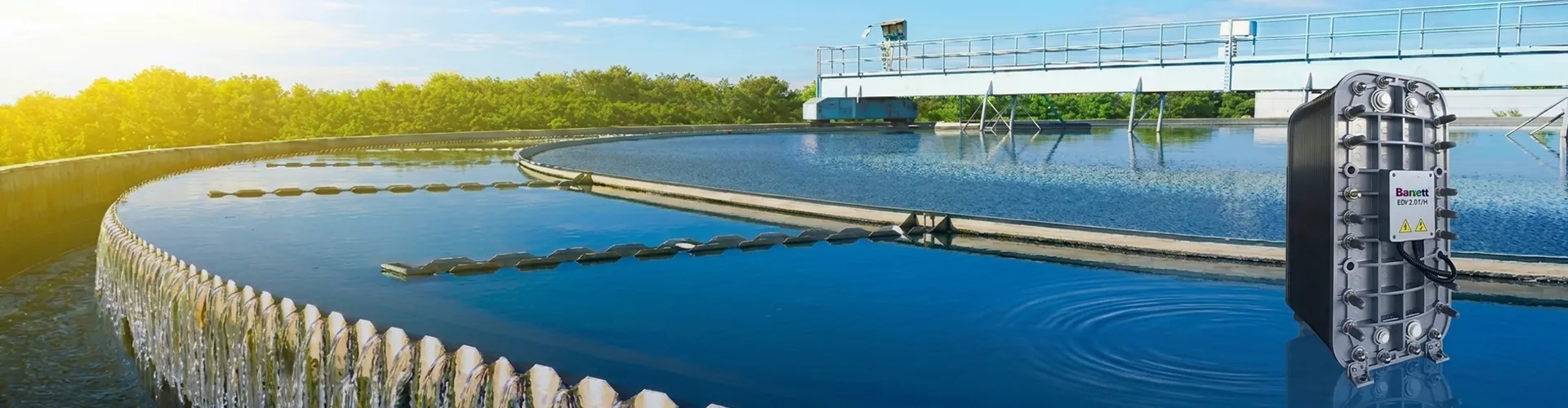
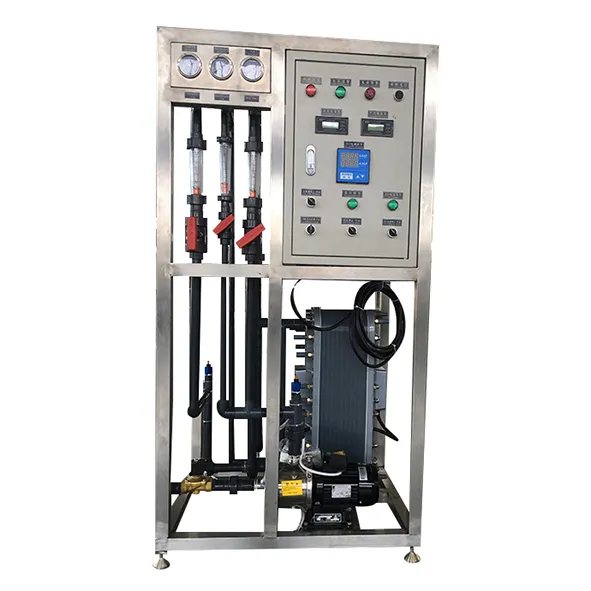
التأين الكهربائي (EDI) هي تقنية مستمرة وخالية من المواد الكيميائية لتنقية المياه تجمع بين راتنجات التبادل الأيوني وأغشية التبادل الأيوني وطاقة التيار المباشر (DC) لنزع الأيونات بعمق من المياه. وباعتبارها خطوة التلميع المثالية بعد التناضح العكسي (RO)، فإن أنظمة EDI تلغي الحاجة إلى المواد الكيميائية الخطرة الخاصة بتجديد الأحماض والمواد الكيميائية الكاوية المستخدمة في التبادل الأيوني التقليدي المختلط. تنتج وحدات EDI والأنظمة المتكاملة الخاصة بنا بشكل موثوق مياه فائقة النقاء (UPW) تصل إلى 18.2 ميكرومتر مكعب، مما يوفر حلاً آمنًا ومستقرًا وصديقًا للبيئة للتطبيقات الصناعية الحرجة.
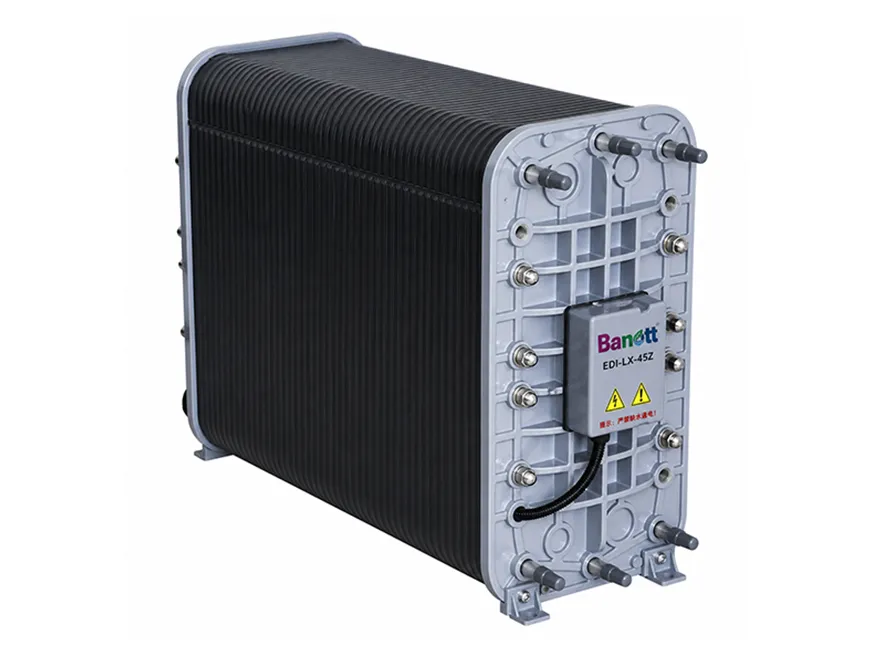
توفر تقنية EDI عملية صقل مستمرة وخالية من المواد الكيميائية لتوفير مياه نقية للغاية مستقرة تبلغ 18.2 متر مكعب من المياه فائقة النقاء للتطبيقات الصناعية الأكثر تطلبًا.
يوفر الانتقال من الراتنجات التقليدية ذات القاع المختلط إلى EDI مزايا تشغيلية وبيئية تحويلية لإنتاج المياه فائقة النقاء.
عملية خالية من المواد الكيميائية: لا حاجة إلى مواد كيميائية لتجديد الأحماض أو المواد الكاوية.
إنتاج مستمر: تتيح طاقة التيار المستمر إمكانية التجديد المستمر للراتنج مع وقت تعطل أقل.
جودة مياه عالية: تنتج مياه فائقة النقاء حتى 18.2 متر مكعب.
انخفاض تكاليف التشغيل: يقلل من تكاليف العمالة والمواد الكيميائية ومعالجة النفايات.
بالنسبة للمنشآت التي تحتاج إلى إمدادات موثوقة وآمنة ومستمرة من المياه فائقة النقاء، فإن EDI هو البديل الحديث والمجرب للتلميع التقليدي المختلط القاع.
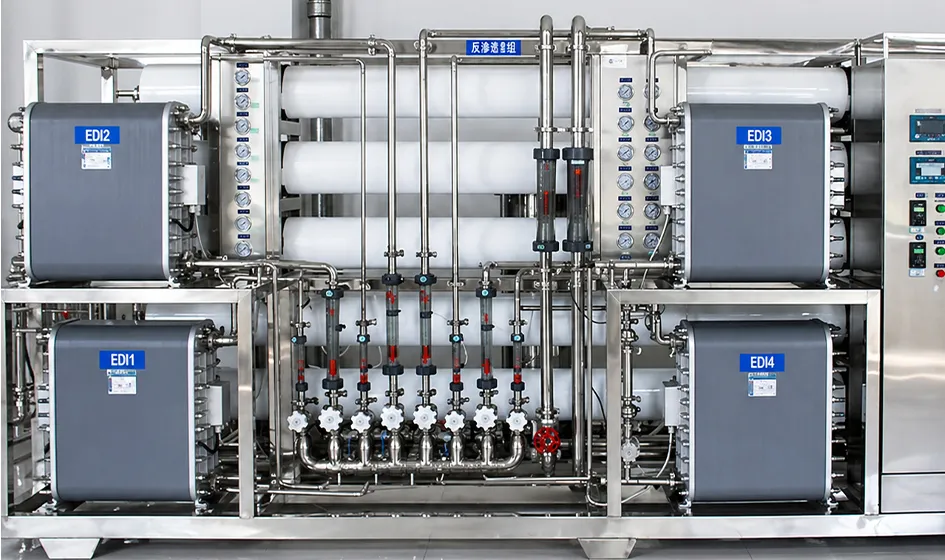
يستخدم هيكل من البولي أميد متعدد الطبقات لزيادة نفاذية الماء إلى أقصى حد مع الحفاظ على حاجز عالٍ للغاية للأملاح الذائبة.
يطبق مجالاً كهربائياً لتقسيم جزيئات الماء، مما يؤدي إلى تجديد طبقة الراتنج باستمرار دون تدخل كيميائي.
تضمن البنية القوية للوحدة النمطية المتينة تشغيلًا خاليًا من التسرب، مما يحمي المعدات الحساسة المحيطة بها في المنشآت عالية التقنية.
متوافق مع أنظمة PLC وSCADA القياسية لمراقبة المقاومة والجهد ومعدلات التدفق في الوقت الفعلي.
التصنيع والجودةمقدمة: بصفتنا شركة مصنعة قائمة في المصنع، فإننا نتحكم في تصنيع الأغشية وتجميع الوحدات وفحصها بموجب نظام جودة موثق.
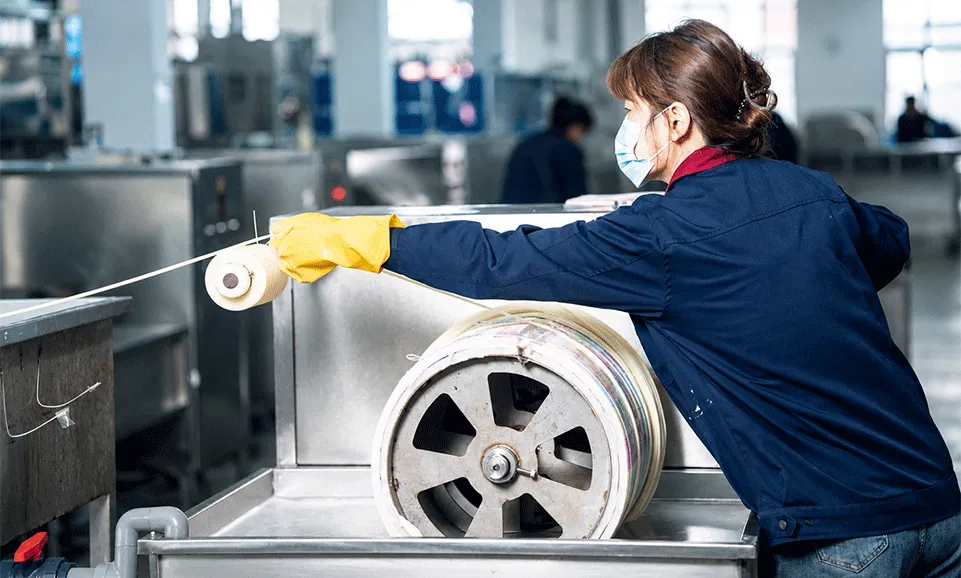
-تصنيع الغشاء المتناسق وتجميع الوحدات.
-الفحص واختبار السلامة قبل الشحن.
-أداء مستقر من دفعة إلى أخرى من أجل اتساق المشروع.
-دعم أبعاد وتكوينات الوحدات النمطية المخصصة.
يساعد هذا التحكم في التصنيع فرق الهندسة والمشتريات والإنشاءات والمشغلين على تقليل عدم اليقين أثناء التركيب والتشغيل.
اكتشف مشاريع حقيقية لمعالجة المياه عبر تطبيقات مختلفة، تُظهر خبرتنا في أنظمة الأغشية وعمليات التنقية وحلول مياه الصرف الصحي.
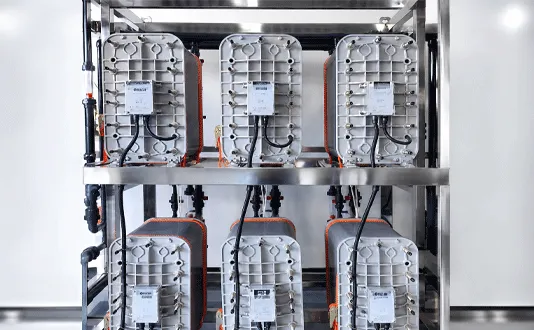
نظام معالجة مياه الآبار العميقة باستخدام التناضح العكسي والتبادل الأيوني لتلبية متطلبات مياه الشرب.
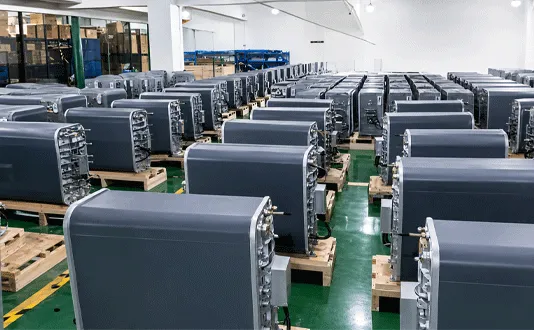
الجمع بين المعالجة بالتغذية الفائقة والتناضح العكسي لتنقية مياه الآبار في نظام حاوية.
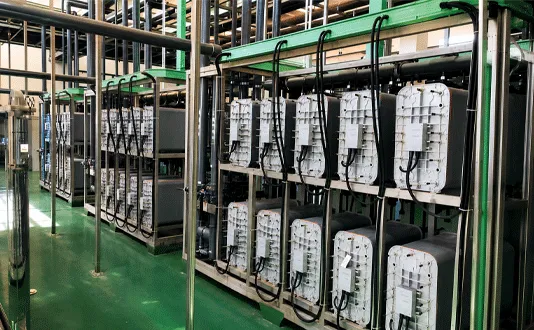
مشروع واسع النطاق للمعالجة المسبقة بالتغذية الفائقة بالتغذية الفائقة (UF) يدعم جودة مياه التغذية بالتناضح العكسي في المصب.
يتم دمج الأغشية الليفية المجوفة ذات الترشيح فوق البنفسجي عادةً في الحلول التالية:
.webp.webp)
نحن ندعم فريق موقعك أثناء الإعداد لبدء التشغيل والتشغيل التجريبي، بما في ذلك:
والفرق الأساسي هو كيفية تجديد راتنج التبادل الأيوني. تتطلب القيعان المختلطة التقليدية أن يتم فصل النظام وغسله بالأحماض والمواد الكاوية الخطرة. يستخدم EDI تيارًا كهربائيًا (طاقة التيار المستمر) لتجديد الراتنج باستمرار أثناء تشغيل النظام، مما يلغي التعامل مع المواد الكيميائية ووقت التوقف.
إن أنظمة EDI حساسة للغاية لجودة مياه التغذية ويجب استخدامها كخطوة تلميع. وعادةً ما تكون مياه التغذية هي المياه المتخللة من نظام التناضح العكسي أحادي أو مزدوج المرور (RO)، والذي أزال بالفعل الغالبية العظمى من المواد الصلبة العالقة والمواد العضوية والأملاح الذائبة.
نعم. عند تزويدها بمياه تغذية نفاذية التناضح العكسي الصحيحة وتشغيلها ضمن معايير الجهد والتدفق المحددة، يمكن لوحدات EDI الخاصة بنا أن تنتج باستمرار وباستمرار مياه فائقة النقاء تصل إلى أقصى مقاومة نظرية تبلغ 18.2 ميكرومتر مكعب.
شاركنا متطلبات مشروعك وسيقوم فريقنا بالتوصية بتهيئة ونهج تكامل مناسبين للتبادل الإلكتروني للبيانات (EDI).