










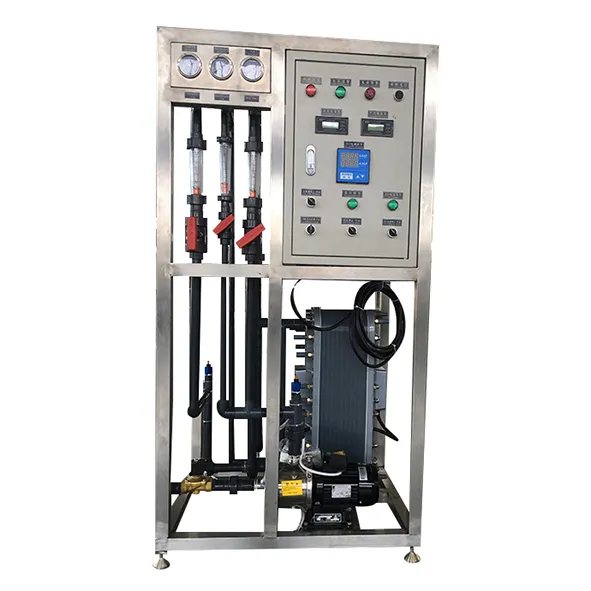
Ion Exchange Integration
Utilizes a multi-layer polyamide structure to maximize water permeability while maintaining an exceptionally high barrier to dissolved salts.
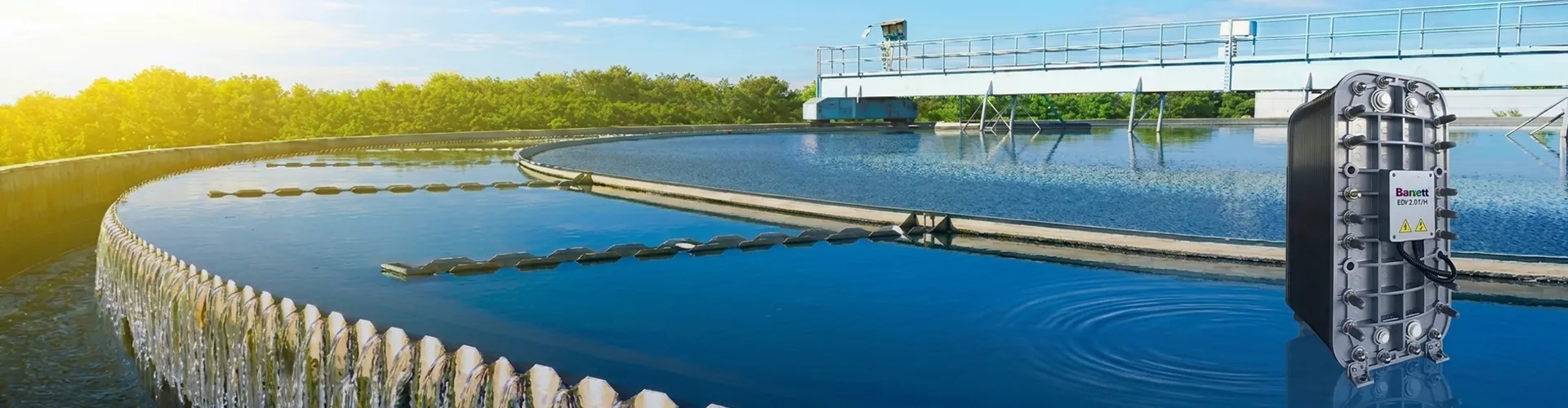
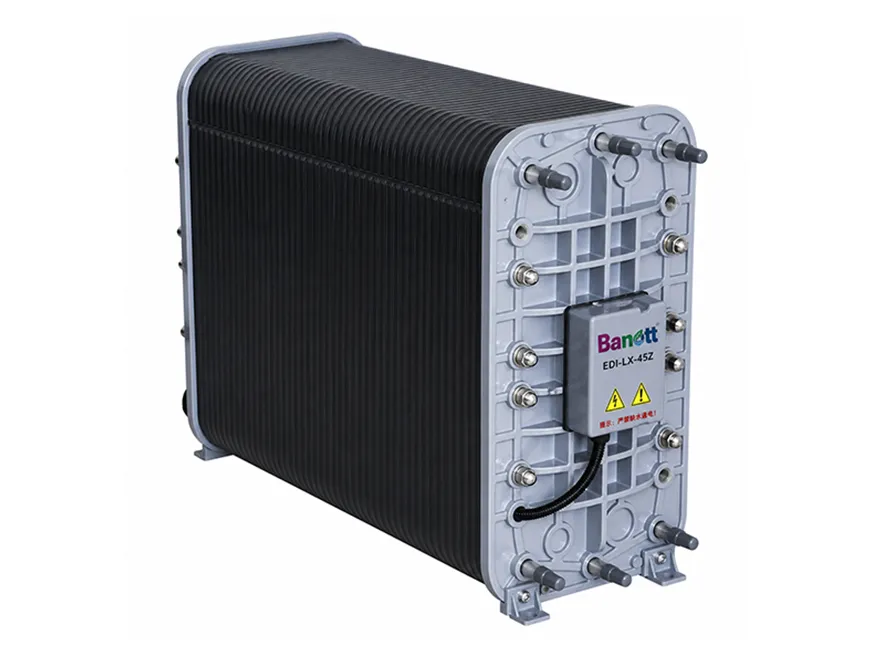
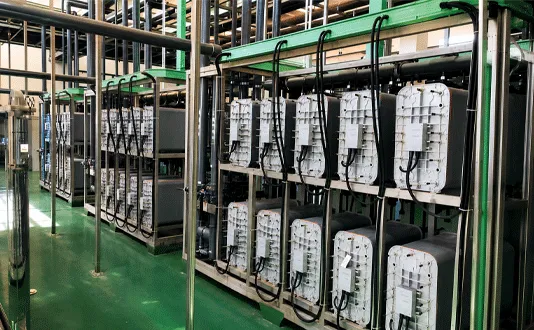
Electrodeionization (EDI) is a continuous, chemical-free water purification technology that combines ion exchange resins, ion exchange membranes, and direct current (DC) power to deeply deionize water. As the ideal polishing step following reverse osmosis (RO), EDI systems eliminate the need for hazardous acid and caustic regeneration chemicals used in traditional mixed-bed ion exchange. Our EDI modules and integrated systems reliably produce ultrapure water (UPW) up to 18.2 MΩ·cm, providing a safe, stable, and environmentally friendly solution for critical industrial applications.
EDI technology provides a continuous, chemical-free polishing process to deliver stable 18.2 MΩ·cm ultrapure water for the most demanding industrial applications.

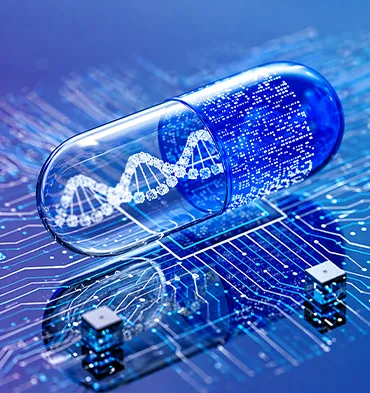

Transitioning from traditional mixed-bed resins to EDI offers transformative operational and environmental advantages for ultrapure water production.
Chemical-Free Operation: No acid or caustic regeneration chemicals required.
Continuous Production: DC power enables continuous resin regeneration with less downtime.
High Water Quality: Produces ultrapure water up to 18.2 MΩ·cm.
Lower Operating Costs: Reduces labor, chemicals, and waste treatment costs.
For facilities requiring a reliable, safe, and continuous supply of ultrapure water, EDI is the proven and modern replacement for traditional mixed-bed polishing.
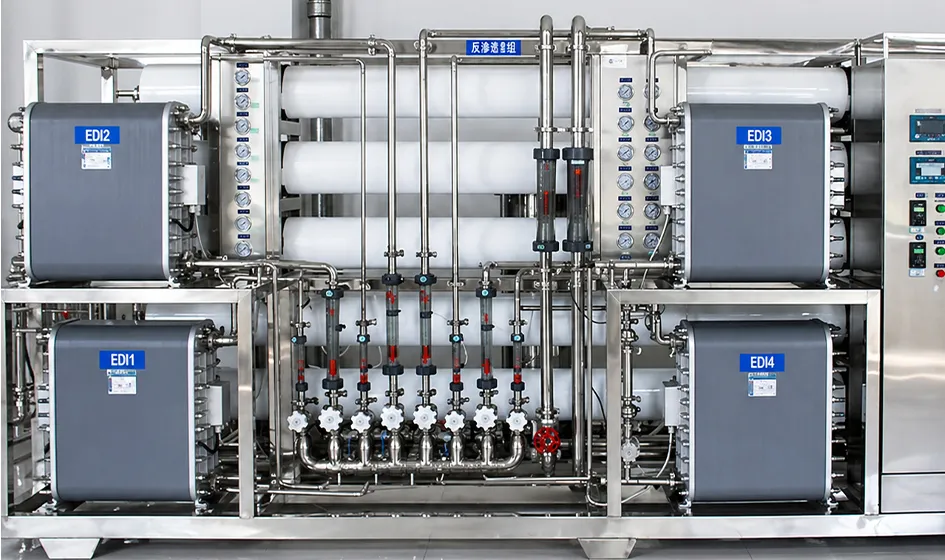
Utilizes a multi-layer polyamide structure to maximize water permeability while maintaining an exceptionally high barrier to dissolved salts.
Applies an electrical field to split water molecules, continuously regenerating the resin bed without chemical intervention.
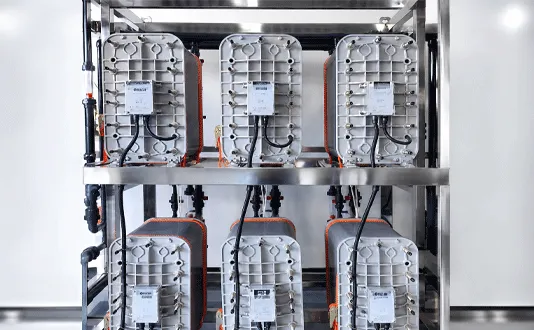
Robust module construction ensures a leak-free operation, protecting sensitive surrounding equipment in high-tech facilities.
Compatible with standard PLC and SCADA systems for real-time monitoring of resistivity, voltage, and flow rates.
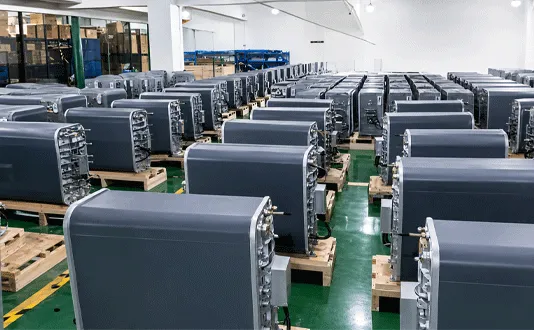
Manufacturing & QualityIntro: As a factory-based manufacturer, we control membrane fabrication, module assembly, and inspection under a documented quality system.
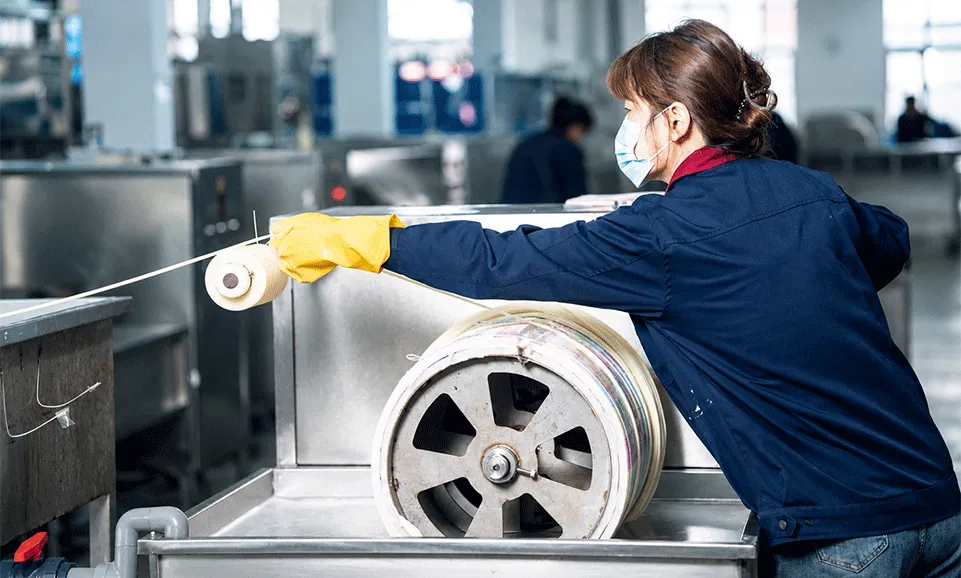
•Consistent membrane fabrication and module assembly.
•Inspection and integrity testing before shipment.
•Stable batch-to-batch performance for project consistency.
•Support for customized module dimensions and configurations.
This manufacturing control helps EPC teams and operators reduce uncertainty during installation and commissioning.
Discover real water treatment projects across different applications, showing our experience in membrane systems, purification processes, and wastewater solutions.
A deep well water treatment system using RO and ion exchange to meet drinking water requirements.
Combined UF and RO treatment for well water purification in a containerized system.
Large-scale UF pretreatment project supporting downstream RO feed water quality.
Hollow fiber UF membranes are commonly integrated into the following solutions:
.webp.webp)
We support your site team during start-up and commissioning preparation, including:
The primary difference is how the ion exchange resin is regenerated. Traditional mixed beds require the system to be taken offline and flushed with hazardous acids and caustics. EDI uses an electrical current (DC power) to continuously regenerate the resin while the system is running, eliminating chemical handling and downtime.
EDI systems are highly sensitive to feed water quality and must be used as a polishing step. The feed water is typically the permeate from a single or double-pass Reverse Osmosis (RO) system, which has already removed the vast majority of suspended solids, organics, and dissolved salts.
Yes. When supplied with the correct RO permeate feed water and operated within the specified voltage and flow parameters, our EDI modules can consistently and continuously produce ultrapure water reaching the theoretical maximum resistivity of 18.2 MΩ·cm.
Share your project requirements and our team will recommend a suitable EDI configuration and integration approach.