










Advanced Biological Treatment
Utilizes optimized aeration and anoxic zones (A2O process) combined with MBR or MBBR technology for superior nutrient (N & P) removal.
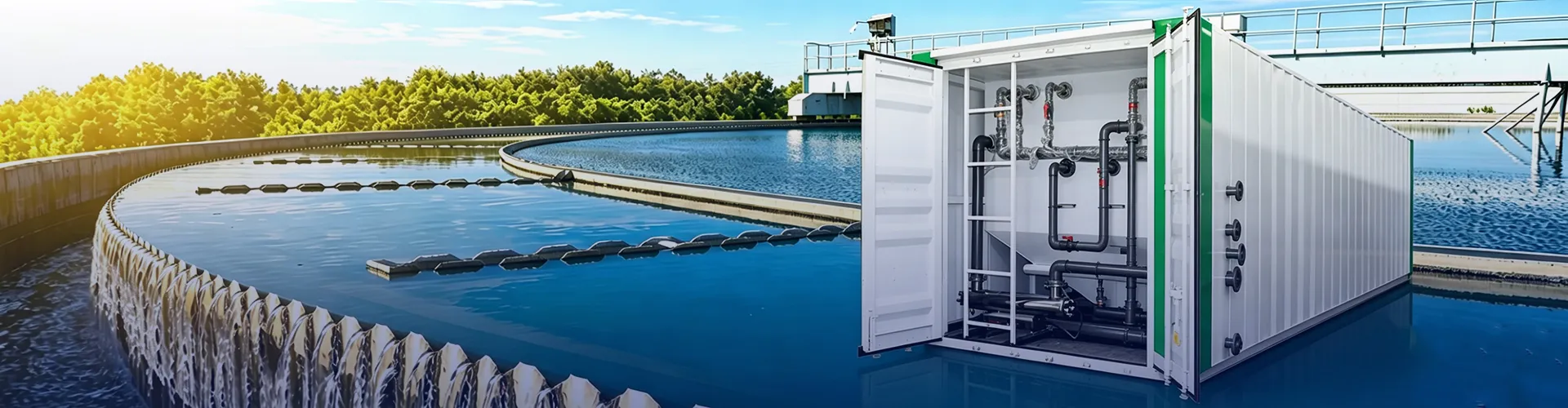
A waste water treatment plant (WWTP) is a multi-stage engineering solution designed to purify industrial effluent and municipal sewage before safe discharge or beneficial reuse. Our treatment plants utilize a combination of physical, chemical, and advanced biological processes—such as Membrane Bioreactors (MBR) and Moving Bed Biofilm Reactors (MBBR)—to effectively reduce Chemical Oxygen Demand (COD), Biological Oxygen Demand (BOD), Total Suspended Solids (TSS), and harmful nutrients. Engineered for reliability, compliance, and energy efficiency, our wastewater treatment plants help facilities meet strict environmental regulations while minimizing their ecological footprint and operational costs.
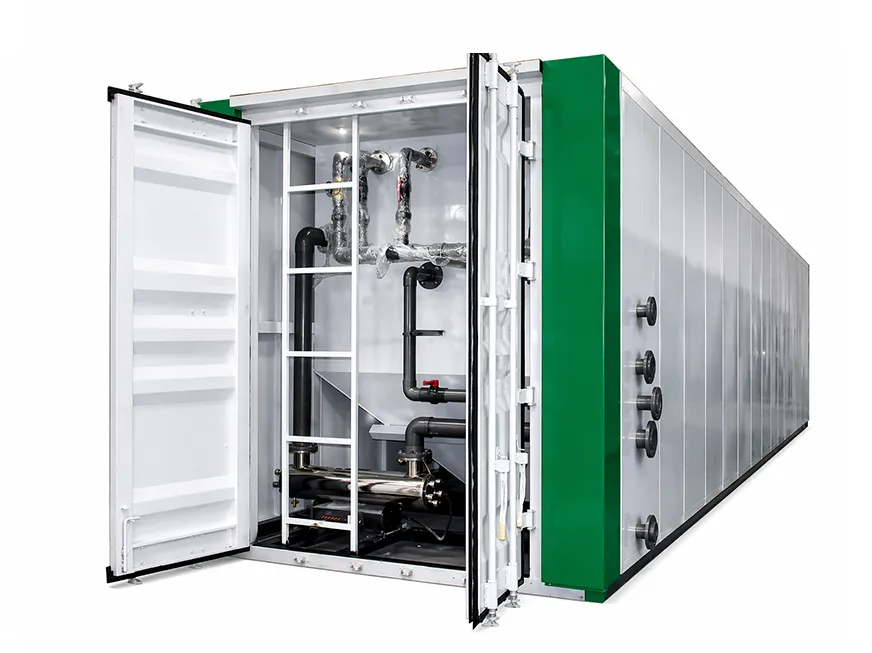
Our advanced wastewater treatment plants combine robust biological processes with membrane technology to ensure regulatory compliance and enable sustainable water reuse.

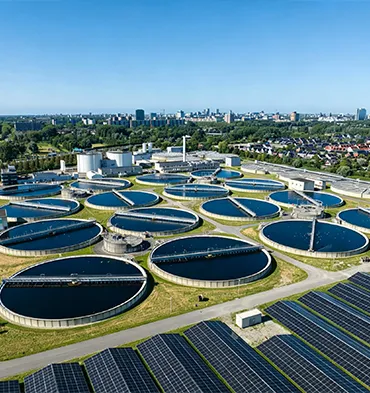


Implementing a professionally designed wastewater treatment plant is critical for regulatory compliance, corporate sustainability, and long-term operational security.
Discharge Compliance: Supports stable effluent quality.
Water Reuse: Treated water can be reused in selected applications.
Space Saving: Compact design reduces footprint.
Automated Control: Helps simplify daily operation.
Sludge Reduction: Optimized process helps reduce sludge output.
Our wastewater treatment plants provide a resilient, automated, and future-proof solution to manage your facility’s effluent challenges effectively.
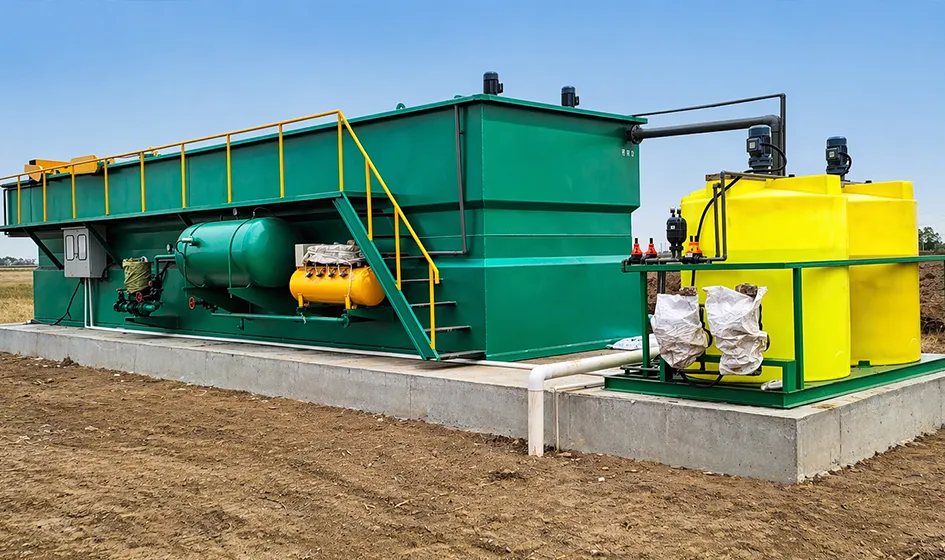
Utilizes optimized aeration and anoxic zones (A2O process) combined with MBR or MBBR technology for superior nutrient (N & P) removal.
Incorporates fine screens, grit removal, and dissolved air flotation (DAF) to protect downstream biological processes from shock loads.
Features dissolved oxygen (DO) sensors and VFD blowers to automatically adjust aeration rates, significantly reducing energy consumption.
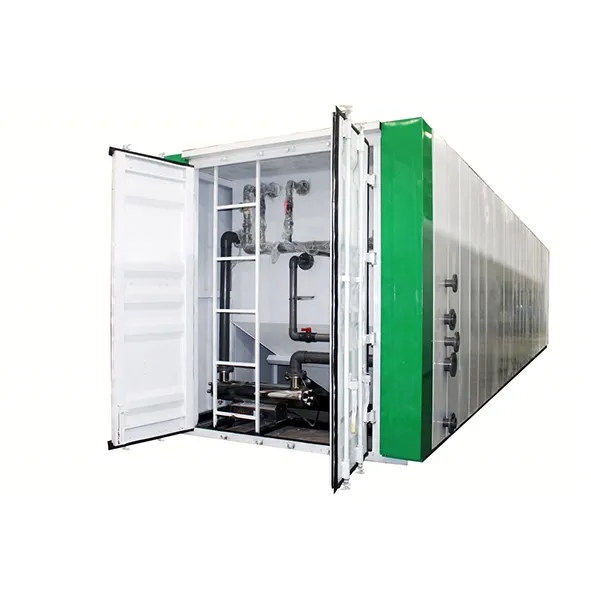
Standardized skid-mounted or containerized designs allow for rapid deployment and straightforward capacity expansion in the future.
As a factory-based manufacturer, we control membrane fabrication, module assembly, and inspection under a documented quality system.
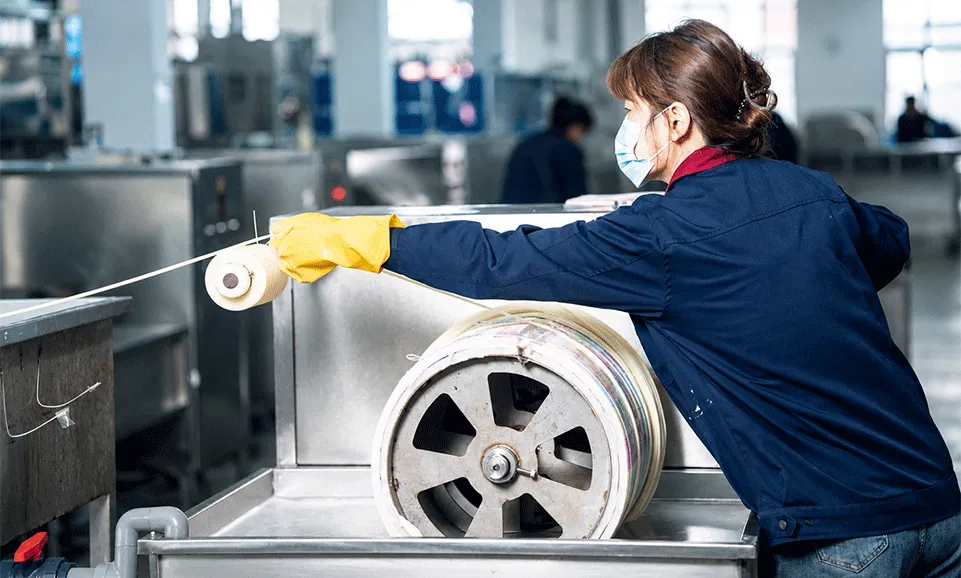
•Consistent membrane fabrication and module assembly.
•Inspection and integrity testing before shipment.
•Stable batch-to-batch performance for project consistency.
•Support for customized module dimensions and configurations.
This manufacturing control helps EPC teams and operators reduce uncertainty during installation and commissioning.
Here is a brief look at how our pure water treatment plants support large-scale industrial operations.
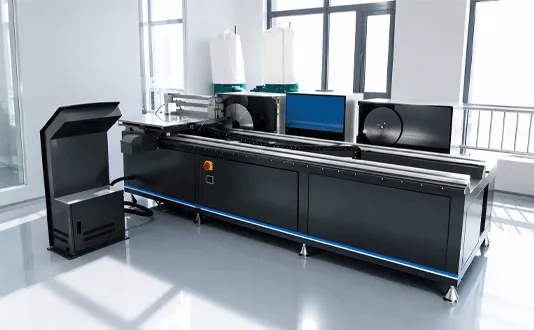
An existing textile wastewater treatment plant was upgraded with an MBR membrane system to meet European discharge standards.
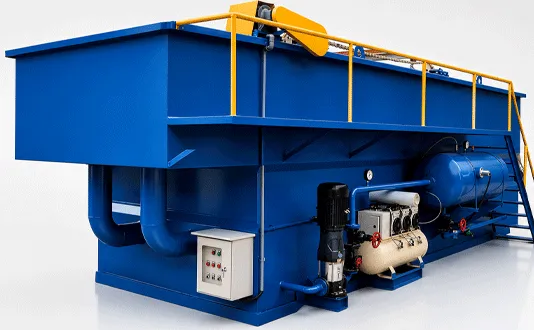
Integrated wastewater treatment equipment was used for hotel domestic sewage with buried installation design.
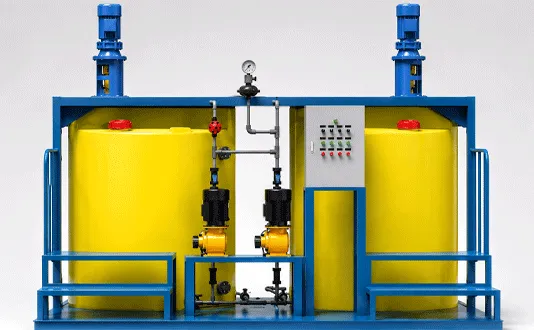
An integrated MBBR wastewater treatment plant was used for pharmaceutical production wastewater.
Pure water treatment plants are commonly integrated into the following solutions:
.webp.webp)
We support your site team during start-up and commissioning preparation, including:
We start with a detailed raw water analysis (water quality report) and your specific treated water requirements (flow rate, conductivity, application). Based on this data, our engineers design a customized process route, selecting the appropriate pre-treatment, RO, and polishing technologies.
A single-pass RO system pushes water through the membrane once, typically achieving 98-99% salt rejection. A double-pass RO system takes the purified water from the first pass and runs it through a second set of membranes, resulting in exceptionally high purity water (often <5 µS/cm) required for sensitive industries.
Yes. All our industrial pure water plants come with PLC-based control panels and HMI touchscreens. They can automatically manage start/stop sequences, backwashing, membrane flushing, and alarm monitoring, requiring minimal manual intervention.
Share your project requirements and our team will recommend a suitable plant configuration and integration approach.