Неправильный выбор мембраны для вестерн-блоттинга может привести к потере образцов, размыванию полос, увеличению фонового шума и затруднить повторение эксперимента. Многие пользователи ориентируются исключительно на цену. Это рискованно. PVDF мембрана При правильном применении может способствовать улучшению удержания белка, технологичности и повторной пробы.
PVDF-мембрана — это трансферная мембрана из поливинилидендифторида, используемая в экспериментах по методу вестерн-блоттинга для связывания белка после его переноса с геля. По сравнению с нитроцеллюлозой PVDF-мембрана обычно обладает более высокой способностью к связыванию белка, большей механической прочностью и лучшей устойчивостью к стриппингу и повторному пробованию. Перед использованием она часто требует активации метанолом.
План статьи
1. Что такое PVDF-мембрана?
2. Почему в методе вестерн-блоттинга используется ПВДФ?
3. Как PVDF-трансферная мембрана связывает белок?
4. ПВДФ или нитроцеллюлоза: какую мембрану для блоттинга выбрать?
5. Какой размер пор лучше: 0,2 мкм или 0,45 мкм?
6. Почему мембрана из ПВДФ требует активации метанолом?
7. Какие методы обнаружения подходят для мембран из ПВДФ?
8. Каковы основные характеристики PVDF для пользователей в лабораторных условиях?
9. Какое отношение знания о PVDF-мембранах имеют к мембранам для очистки воды?
10. На что следует обратить внимание покупателям в сегменте B2B перед закупкой мембранных изделий?
11. Часто задаваемые вопросы о PVDF-мембране и вестерн-блоттинге
12. Основные выводы
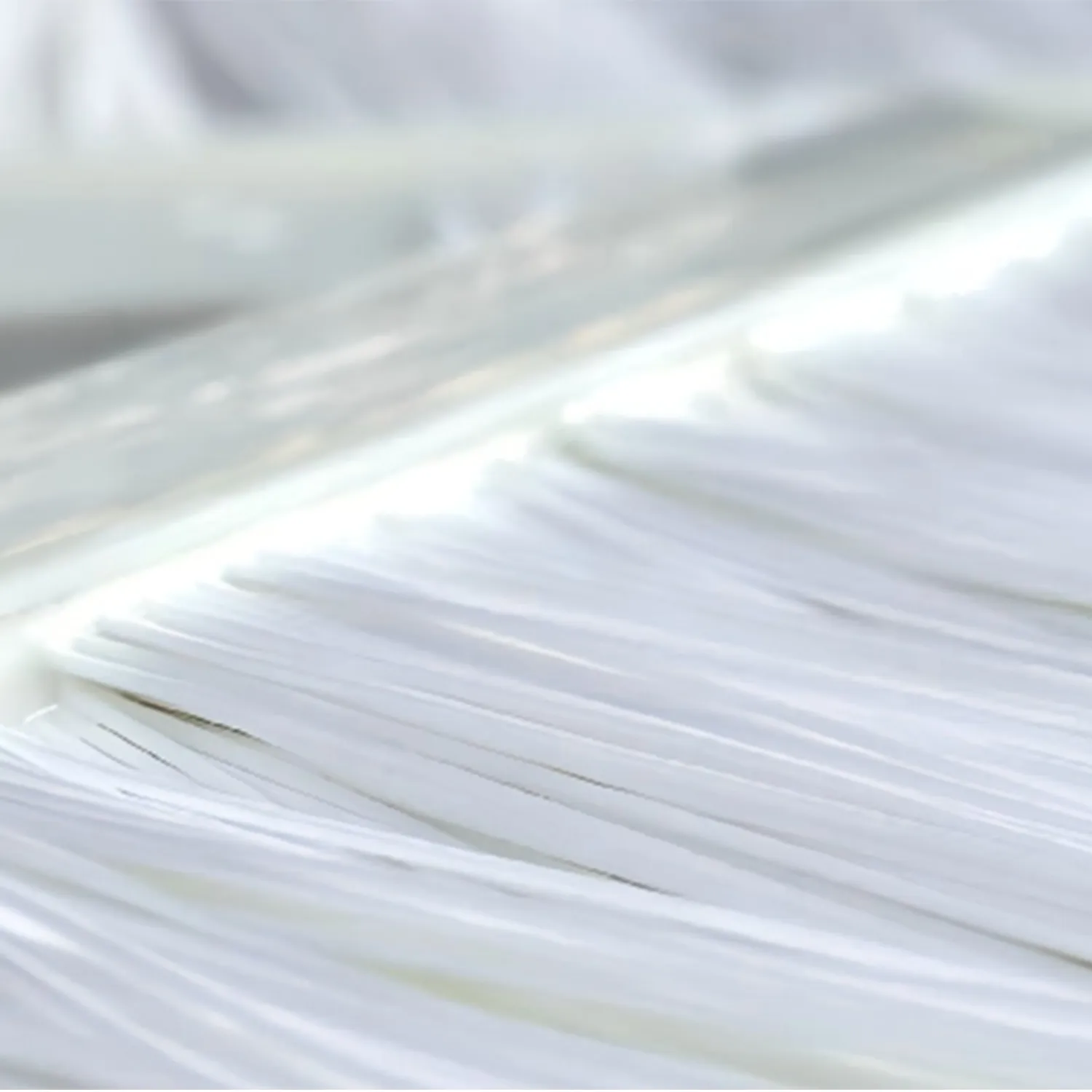
Мембранный элемент из полых волокон из ПВДФ
Что такое PVDF-мембрана?
PVDF-мембрана — это тонкая пористая мембрана, изготовленная из поливинилидендифторида, также называемого поливинилиденфторидом. В методе вестерн-блоттинга она используется в качестве мембраны для переноса. После разделения образцов белков в геле белки перемещаются из геля на мембрана в процессе переноса белка.
Проще говоря, гель распадается. Мембрана удерживает белки. Затем на блоте становится видно, присутствует ли целевой белок. Благодаря этому мембрана из PVDF является одной из важнейших мембран, используемых в экспериментах по вестерн-блоттингу.
PVDF также является широко известным материалом для мембран, применяемым в области водоочистки, технологиях MBR и UF, а также в промышленной фильтрации. Как производитель и поставщик систем мембранной фильтрации, ориентированный на инженерные решения, мы понимаем, почему выбор полимера имеет такое большое значение. Независимо от того, используется ли мембрана для лабораторного анализа или на станции очистки сточных вод, пользователи придают большое значение стабильности характеристик, воспроизводимости результатов, прочности и чистоте получаемых результатов.
Почему в методе Вестерн-блоттинга используется ПВДФ?
Метод вестерн-блоттинга используется для обнаружения конкретного белка в образце. Процесс обычно включает гель-электрофорез, перенос, блокировку, инкубацию с антителами, промывку и детектирование сигнала. Мембрана занимает центральное место в этом рабочем процессе, поскольку она удерживает белок, пока система антител идентифицирует целевой белок.
Мембраны из ПВДФ для вестерн-блоттинга пользуются популярностью благодаря высокой способности связывать белки, удобству в использовании и долговечности. Нитроцеллюлозная мембрана также может хорошо подходить для этих целей, но зачастую она более хрупкая. ПВДФ обладает большей прочностью, поэтому его целесообразно использовать в тех случаях, когда в лаборатории требуется повторное пробоотбор, удаление белка, длительная обработка или высокочувствительное детектирование.
Для покупателей и дистрибьюторов лабораторного оборудования это имеет значение, поскольку неудачные блоты обходятся дороже, чем сама мембрана. Некачественный блот может привести к напрасной трате антител, образцов, буфера, времени лаборанта и времени на визуализацию. Правильный выбор мембраны помогает сократить эти скрытые затраты.
Как PVDF-трансферная мембрана связывает белок?
Трансферная мембрана из ПВДФ связывает белки преимущественно посредством гидрофобных взаимодействий. PVDF по своей природе является гидрофобным материалом, что означает, что поначалу он плохо смачивается водой. Однако после надлежащей активации и смачивания он способен прочно удерживать белки после вестерн-блоттинга.
Мембрана имеет множество крошечных отверстий, называемых порами. Эти поры увеличивают площадь поверхности, что позволяет прикрепляться к мембране большему количеству белка. Это одна из причин, по которой PVDF часто обладает более высокой способностью связывать белок, чем нитроцеллюлоза.
Вот простой алгоритм действий:
| Шаг |
Что происходит |
Почему это важно |
| Разделение гелей |
Белки разделяются по размеру молекул |
Обеспечивает возможность обнаружения цели |
| Активация мембраны |
PVDF смачивается метанолом |
Способствует проникновению буфера через гидрофобную мембрану |
| Перенос белка |
Белок перемещается из геля на мембрану |
Создает пятно |
| Блокировка |
Пустые сайты заблокированы |
Снижает неспецифический сигнал |
| Инкубация антител |
Первичный антитело связывается с целевым белком |
Обеспечивает конкретность |
| Обнаружение |
Сигнал регистрируется с помощью хемилюминесцентного, флуоресцентного или колориметрического метода |
Отображает целевой диапазон |
Компания Merck поясняет, что PVDF-мембраны связывают биомолекулы посредством гидрофобных взаимодействий, что является одной из основных причин их широкого применения в вестерн-блоттинге.
PVDF или нитроцеллюлоза: какую мембрану для блоттинга выбрать?
Выбор между PVDF и нитроцеллюлозой зависит от исследуемого белка, метода детектирования, размера пор, требований к сигналу и бюджета. Не существует единой идеальной мембраны, подходящей для всех видов блоттинга.
Разница между PVDF и нитроцеллюлозой лучше всего понимать следующим образом: PVDF обладает большей прочностью и зачастую связывает больше белка. Нитроцеллюлоза легко смачивается и дает хорошие результаты при проведении многих стандартных тестов методом вестерн-блоттинга. Во многих лабораториях используют оба материала в зависимости от конкретного проекта.
| Характеристика |
Мембрана из ПВДФ |
Нитроцеллюлозная мембрана |
| Основной материал |
Поливинилидендифторид |
Нитроцеллюлоза |
| Смачивание |
Часто требуется метанол |
Легко смачивается водным буфером |
| Сила |
Более надежное управление |
Более деликатный |
| Связывание с белками |
Как правило, выше |
Как правило, ниже |
| Повторное тестирование |
Подходит для снятия изоляции и повторного тестирования |
Более ограниченный |
| Обнаружение |
Хемилюминесцентные, колориметрические и флуоресцентные методы |
Хемилюминесцентные, колориметрические и флуоресцентные методы |
| Наилучшее применение |
Высокая степень связывания с белками, многократное зондирование, высокая устойчивость к механическим воздействиям |
Стандартный вестерн-блот, хорошая смачиваемость, повседневное использование |
Если в лаборатории требуется провести несколько циклов окрашивания антителами на одном и том же блоте, PVDF часто является более безопасным выбором. Если же лаборатории нужны простое смачивание и стандартный перенос, нитроцеллюлозы может оказаться достаточно. Выбор оптимальной мембраны зависит от конкретного эксперимента, а не только от марки.
Какой размер пор лучше: 0,2 мкм или 0,45 мкм?
Размер пор — один из важнейших критериев при выборе мембраны для вестерн-блоттинга. Два наиболее распространенных варианта — 0,2 мкм и 0,45 мкм.
Для многих белков со стандартной молекулярной массой часто используется мембрана с размером пор 0,45 мкм. Для белков с низкой молекулярной массой обычно выбирают мембрану с размером пор 0,2 мкм, поскольку во время переноса более мелкие белки могут проходить через поры большего размера. Если небольшой белок исчезает с блота, одной из причин может быть размер пор.
Краткое руководство:
| Тип белка |
Рекомендуемый размер пор |
Причина |
| Белки с низкой молекулярной массой |
0,2 мкм |
Помогает предотвратить проникновение мелких белков |
| Белки средней молекулярной массы |
0,45 мкм или 0,2 мкм |
Зависит от системы передачи и цели |
| Белки с высокой молекулярной массой |
0,45 мкм — часто используется |
Возможно, потребуется упростить процесс перевода |
| Неизвестная цель |
Начните с протокола взаимодействия с поставщиками |
Сократить количество проб и ошибок |
При проведении экспериментов по вестерн-блоттингу размер пор должен соответствовать целевому белку и методу переноса. На результат также влияют время переноса, сила тока, буфер, концентрация метанола, концентрация SDS и процентная концентрация геля. Одной только смены мембраны может оказаться недостаточно для решения всех проблем.
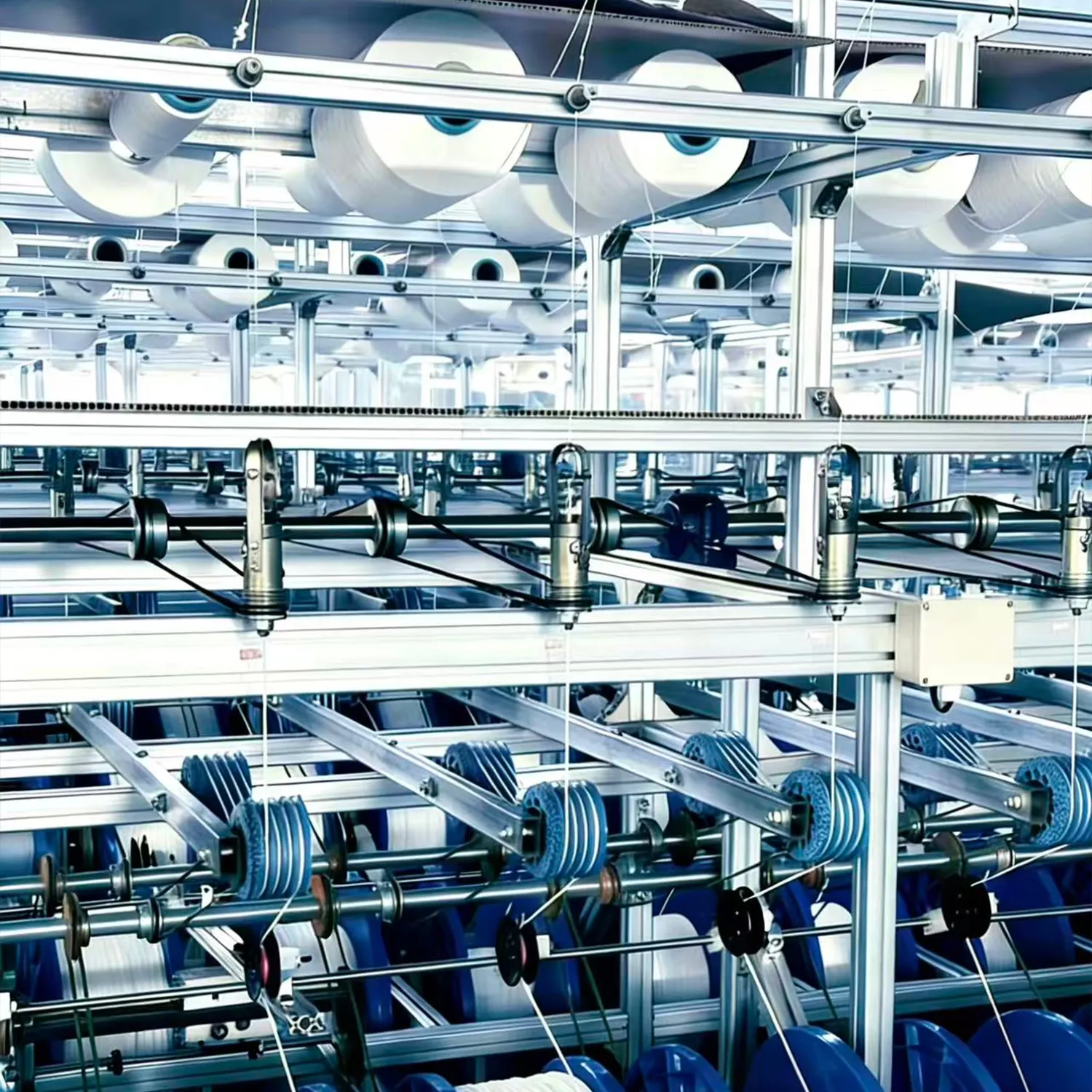
Мембранный модуль MBR из полых волокон PVDF
Почему мембрана из ПВДФ требует активации метанолом?
Мембраны из ПВДФ требуют активации, поскольку ПВДФ является гидрофобным материалом. Сухая мембрана из ПВДФ с трудом впитывает буфер на водной основе. Метанол способствует смачиванию мембраны, благодаря чему буфер для переноса может равномерно проникать через пористую структуру.
Обычно процесс выглядит следующим образом:
1. Смочите PМембрана VDF с метанолом.
2. Промойте или уравновесьте его в буфере для переноса.
3. Соберите «западный» трансферный сэндвич.
4. Перенести белок с геля на мембрану.
Этот этап активации может показаться незначительным, но он имеет большое значение. Если мембрана из ПВДФ не будет должным образом активирована, перенос белков может оказаться слабым или неравномерным. Полосы могут выглядеть блеклыми. Блот может оказаться неудачным.
Некоторые специальные мембраны из PVDF разработаны таким образом, что они легче смачиваются, однако стандартные мембраны из PVDF необходимо активировать. Всегда следуйте инструкциям поставщика. Кроме того, после активации мембрану следует поддерживать во влажном состоянии, если в инструкции не указано иное.
Какие методы обнаружения подходят для мембран из ПВДФ?
Мембраны из ПВДФ можно использовать с различными методами детектирования, включая хемилюминесцентное, колориметрическое и флуоресцентное детектирование в методе вестерн-блоттинга. Оптимальный выбор зависит от требуемой чувствительности, используемого оборудования для визуализации, системы антител и способа контроля фона.
Хемилюминесценция широко используется благодаря своей высокой чувствительности и широкой поддержке. Результаты колориметрического детектирования легко визуализировать, и для этого не всегда требуются дорогостоящие средства визуализации. Флуоресценция полезна для мультиплексного детектирования, однако для этого необходим низкий фон и соответствующее оборудование для визуализации.
Для флуоресцентного вестерн-блоттинга в лабораториях часто используют PVDF-мембраны с низким уровнем флуоресценции. Стандартные PVDF-мембраны могут давать более высокий фон в некоторых флуоресцентных системах. Низкий уровень фона важен, поскольку сильный фоновый шум может замаскировать слабые полосы.
Руководство по обнаружению:
| Метод обнаружения |
Основное преимущество |
Примечание для покупателя |
| Хемилюминесцентный |
Высокая чувствительность |
Характерно для многих рабочих процессов вестерн-блоттинга |
| Колориметрический |
Простой визуальный сигнал |
Полезно для базового обнаружения |
| Флуоресцентный |
Мультиплексный и количественный потенциал |
Используйте мембрану с низкой флуоресценцией |
| Окрашивание общего белка |
Проверка качества передачи |
Полезно перед этапами, связанными с антителами |
При оптимизации протокола мембрана из ПВДФ может стать идеальным выбором для проведения хемилюминесцентных и колориметрических вестерн-блоттингов. Для флуоресцентного анализа следует выбирать мембрану, предназначенную для флуоресцентного детектирования.
Каковы основные особенности PVDF для пользователей лабораторного оборудования?
К ключевым свойствам PVDF относятся высокая способность к связыванию белков, механическая прочность, химическая стойкость и возможность повторного пробоотбора. Эти характеристики PVDF делают её универсальной мембраной для пользователей метода вестерн-блоттинга, которым требуются воспроизводимые результаты.
Вот краткое резюме:
| Основные характеристики PVDF |
Практическая польза |
| Высокая способность связывать белки |
Связывает больше целевого белка |
| Механическая прочность |
Более простое обращение с мембранами |
| Поддержка повторного тестирования |
Полезно при тестировании нескольких целей |
| Химическая стойкость |
Лучше справляется с условиями снятия изоляции |
| Сильные гидрофобные взаимодействия |
Способствует сохранению белков во время анализа |
| Различные варианты пор |
Поддерживает белки различного размера |
Во многих лабораториях главным преимуществом является уверенность в результате. Прочная мембрана снижает риск разрывов, складок и повреждений при обращении. Это особенно важно, когда блат проходит все этапы: блокировку, промывку, инкубацию с антителами, визуализацию, удаление антител и повторную инкубацию.
Однако мембрана не работает в одиночку. На сигнал влияют такие факторы, как блокирующий буфер, степень разведения антител, время промывки, буфер для переноса и загрузка образца. Качественная PVDF-мембрана способствует оптимизации рабочего процесса, но сама по себе не может исправить недостатки протокола.
Какое отношение знания о PVDF-мембранах имеют к мембранам для очистки воды?
На первый взгляд мембраны для вестерн-блоттинга и мембраны для очистки воды кажутся совершенно разными мирами. Одни используются в лабораториях биологических наук, а другие — для очистки промышленных сточных вод, бытовых стоков, а также для получения чистой и сверхчистой воды. Однако и то, и другое зависит от материаловедения в области мембран.
В области водоочистки PVDF часто используется для изготовления ультрафильтрационных мембран с полыми волокнами и мембран MBR, поскольку этот материал обладает необходимой прочностью и химической стойкостью. На станциях очистки сточных вод выбор мембраны влияет на пропускную способность, контроль загрязнения, очистку, качество сточных вод и эксплуатационные расходы. При проведении вестерн-блоттинга выбор мембраны влияет на перенос белка, уровень фона, интенсивность сигнала и повторяемость результатов.
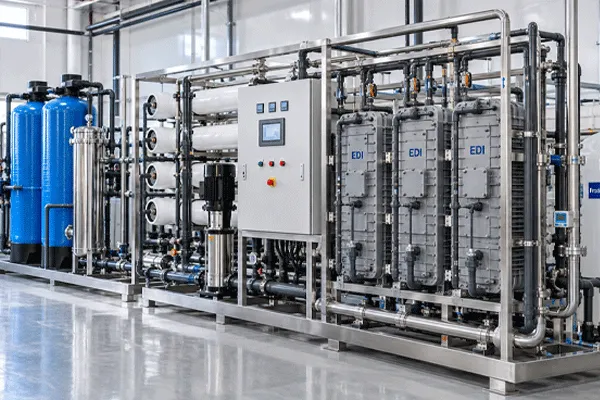
Как профессиональный производитель и инженерно-ориентированный поставщик систем очистки воды и сточных вод, мы руководствуемся тем же практическим подходом: выбирать мембрану, подходящую именно для конкретной задачи. Для EPC-подрядчика это может означать использование мембраны MBR с полыми волокнами. Для проекта по производству сверхчистой воды — мембраны обратного осмоса (RO) и модулей EDI. Для лабораторного анализа — мембраны из PVDF для вестерн-блоттинга.
Разные области применения. Один и тот же вывод: выбор мембраны имеет большое значение.
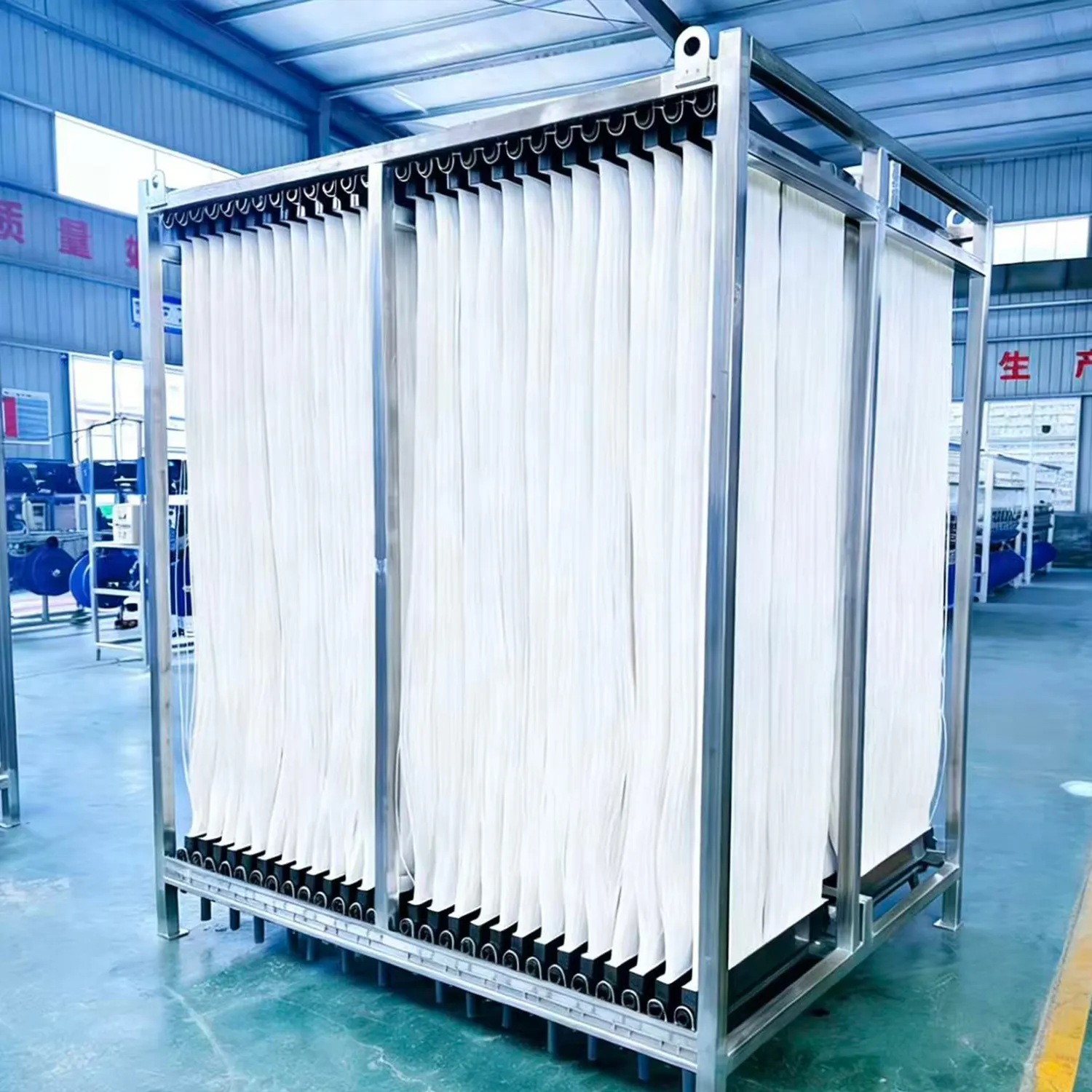
Мембранный модуль MBR из полых волокон PVDF
На что следует обратить внимание покупателям в сегменте B2B перед закупкой мембранных изделий?
Покупатели в сегменте B2B не должны ориентироваться исключительно на цену. Независимо от того, приобретаете ли вы PVDF-мембрану для переноса, ультрафильтрационную мембрану с полыми волокнами, MBR-модуль, мембрану обратного осмоса или интегрированную систему мембранной фильтрации, вам необходимо стабильное качество и четкая техническая поддержка.
Перед закупкой мембранных изделий необходимо проверить:
Материал: PVDF, PES, PTFE, композит RO или другой полимер
Размер пор или степень сепарации: подбирайте в соответствии с условиями эксплуатации
Механическая прочность: важна для транспортировки и эксплуатации системы
Химическая стойкость: совместимость с чистящими и технологическими химикатами
Данные о производительности: поток, степень удаления, связывание с белками или качество сточных вод
Области применения: лабораторные анализы, сточные воды, чистая вода или повторное использование воды
Документация: техническое описание, руководство по эксплуатации, отчет о контроле качества, сертификат, упаковочный лист
Индивидуальная настройка: размер, конструкция модулей, конструкция опорной рамы, контейнерная система, ПЛК / СКАДА
Послепродажное обслуживание: инструкции по вводу в эксплуатацию, запасные части, устранение неисправностей
Для заказчиков в сфере водоочистки мы предлагаем индивидуальные системы мембранной фильтрации для очистки промышленных сточных вод, очистки городских сточных вод, производства чистой воды, систем получения сверхчистой воды, проектов повторного использования воды, систем на раме, контейнерных очистных сооружений, а также проектов по водоочистке по схеме «EPC».
Наша цель проста: помочь инжиниринговым компаниям, системным интеграторам, владельцам промышленных предприятий, муниципальным предприятиям, гостиницам, сельскохозяйственным предприятиям и дистрибьюторам создавать надежные системы очистки, обеспечивающие стабильное качество сточных вод и долгосрочную техническую поддержку.
Пример из практики: подход к выбору мембран в проекте по повторному использованию воды
Промышленному предприятию требовалась компактная система повторного использования воды. Качество сточных вод менялось в ходе производственного процесса, и заказчик нуждался в стабильном качестве очищенной воды для повторного использования. Задача заключалась не только в выборе одной мембраны. Система должна была включать в себя предварительную очистку, биологическую очистку, мембранное разделение, автоматизацию и простоту обслуживания.
Мы провели анализ качества воды, целевых показателей сброса, имеющихся площадей и уровня квалификации персонала. Затем мы рекомендовали внедрить комплексную систему очистки, в которой в качестве основного этапа доочистки используется мембранная фильтрация. Проект системы включал модульное оборудование, управление с помощью ПЛК, четкую документацию и планирование запасных частей.
Этот урок применим и к выбору мембран для вестерн-блоттинга: не стоит выбирать их, ориентируясь исключительно на название. Выберите в зависимости от области применения. A Мембрана из ПВДФ отлично подходит для тех случаев, когда при проведении блоттинга требуется надежное удержание белков и повторное пробоотбор. Мембрана для очистки воды идеально подходит, если она соответствует характеристикам подаваемой воды, методу очистки, рабочему давлению и требуемым параметрам сточных вод.
Хорошая мембрана — это не просто материал. Это подходящий материал в подходящей системе.
Часто задаваемые вопросы о PVDF-мембране и методе вестерн-блоттинга
Для чего используется PVDF-мембрана при вестерн-блоттинге?
Для выделения белка после его переноса с геля используется мембрана из ПВДФ. После того как белок окажется на мембране, в лаборатории можно использовать первичные и вторичные антитела для выявления конкретного белка.
PVDF лучше, чем нитроцеллюлоза?
PVDF часто превосходит другие материалы по способности связывать белки, механической прочности и возможности повторного пробования. Нитроцеллюлоза легче смачивается и хорошо подходит для многих рутинных анализов методом вестерн-блоттинга. Выбор оптимальной мембраны зависит от целевого белка и метода детекции.
Почему для PVDF-мембран требуется метанол?
PVDF обладает гидрофобными свойствами, поэтому метанол способствует активации и смачиванию мембраны перед переносом. Без надлежащей активации буфер для переноса может не проникнуть в мембрану равномерно, что приведет к некачественному переносу белка.
Какую PVDF-мембрану мне использовать: 0,2 мкм или 0,45 мкм?
Для белков с низкой молекулярной массой следует использовать размер пор 0,2 мкм, а для большинства стандартных белков — 0,45 мкм. Оптимальный размер пор также зависит от времени переноса, буфера, концентрации геля и целевого белка.
Можно ли использовать PVDF-мембраны для флуоресцентного вестерн-блоттинга?
Да, но для флуоресцентного вестерн-блоттинга лучше подходят PVDF-мембраны с низкой флуоресценцией. Они помогают снизить фоновый шум и улучшить детектирование слабых флуоресцентных сигналов.
Можно ли удалить PVDF-мембрану и провести повторное зондирование?
Да. PVDF обладает хорошей механической прочностью и химической стойкостью, поэтому его часто используют для удаления антител и повторного пробирования. Точное количество циклов повторного пробирования зависит от мембраны, антител, буфера для удаления антител и качества проведения процедуры.
Основные выводы
PVDF-мембрана — это трансферная мембрана из поливинилидендифторида, используемая в процедурах вестерн-блоттинга.
Он связывается с белком главным образом посредством гидрофобных взаимодействий.
PVDF, как правило, обеспечивает более высокую степень связывания белка и более прочные механические характеристики по сравнению с нитроцеллюлозой.
Стандартные PVDF-мембраны требуют активации метанолом перед вестерн-блоттингом.
Для небольших белков следует использовать размер пор 0,2 мкм, а для большинства стандартных аналитов — 0,45 мкм.
PVDF совместим с методами детекции на основе хемилюминесценции, колориметрии и флуоресценции.
Мембраны из PVDF с низкой флуоресценцией лучше подходят для флуоресцентного вестерн-блоттинга.
Выбор мембраны должен соответствовать целевому белку, системе переноса, методу детектирования и рабочему процессу лаборатории.
В области водоочистки и лабораторного отжима действует тот же принцип: правильный выбор материала мембраны способствует повышению стабильности, эффективности и долгосрочных результатов.
Для проектов в сфере водоочистки в сегменте B2B мы поставляем индивидуально разработанные системы мембранной фильтрации (MBR, UF, RO, EDI), а также системы на модульных платформах и в контейнерах, сопровождая их инженерной поддержкой.












 17:17
17:17