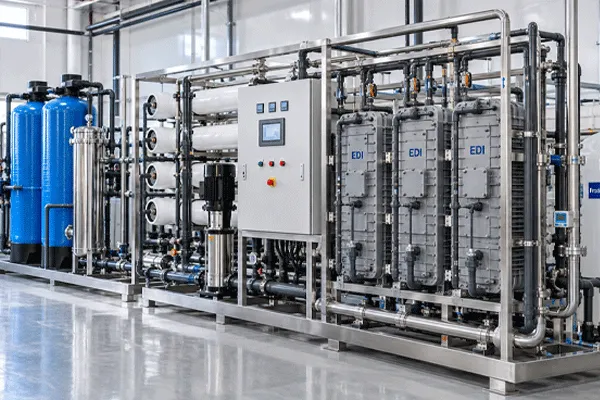
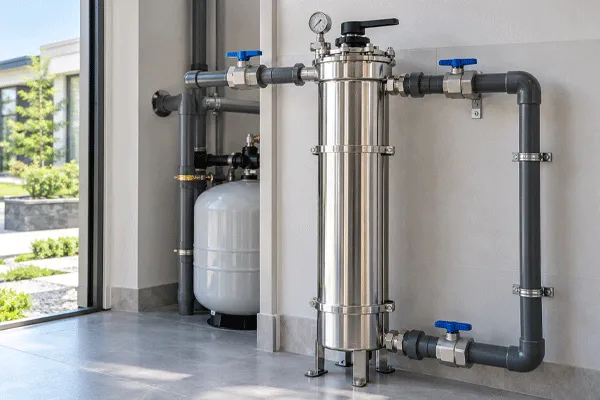
In the realm of water treatment, Reverse Osmosis (RO) technology stands as a paramount solution, widely adopted for its exceptional desalination and purification capabilities. It is indispensable in producing drinking water, industrial ultrapure water, and facilitating wastewater reuse. At the heart of every RO system lies the Reverse Osmosis (RO) membrane, whose performance directly dictates the quality of the treated water and the overall efficiency of the system.
The Fundamental Principle of Reverse Osmosis
Reverse Osmosis is a membrane separation process that utilizes a semi-permeable membrane and pressure differential as its driving force to separate solvent from solute. When the pressure on the feed water side exceeds the osmotic pressure, water molecules are forced through the RO membrane, while dissolved inorganic salts, organic matter, bacteria, viruses, and most other impurities are retained. This process yields highly purified product water. RO membranes are characterized by their extremely fine pores, typically around 0.0001 microns, enabling them to effectively remove over 99% of ions, particulates, and microorganisms from water.
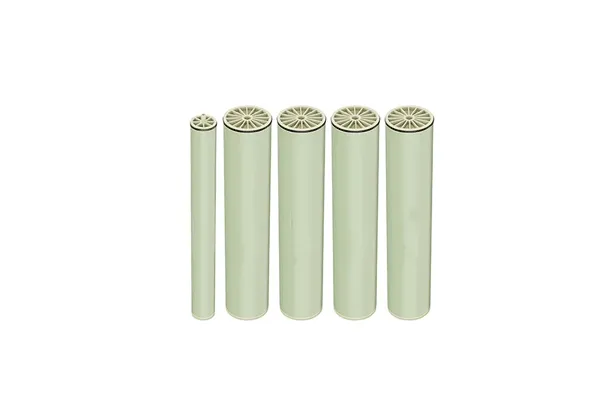
Reverse Osmosis (RO) Membranes: The Core of Pure Water Production
Unparalleled Advantages of RO Membranes
RO membranes offer a suite of significant advantages due to their unique filtration mechanism:
1 High Desalination Rate: Capable of removing nearly all dissolved solids, ions, and heavy metals from water, resulting in exceptionally pure product water. This makes them ideal for applications requiring the highest water quality.
2 Broad Applicability: Essential for seawater desalination, brackish water treatment, ultrapure water production for sensitive industries, drinking water purification, and advanced industrial wastewater treatment.
3 Stable and Reliable Operation: With proper pre-treatment and operating conditions, RO membrane elements exhibit remarkable structural stability and a long operational lifespan, ensuring consistent performance over time.
4 Energy-Efficient and Environmentally Sound: Compared to traditional desalination methods like distillation, RO technology consumes significantly less energy. Furthermore, it is an environmentally friendly process that does not generate secondary pollution, aligning with sustainable water management practices.
5 Modular and Scalable: RO systems are typically designed with modular components, allowing for easy installation, expansion, and maintenance. This flexibility supports various scales of operation, from small commercial units to large industrial plants.
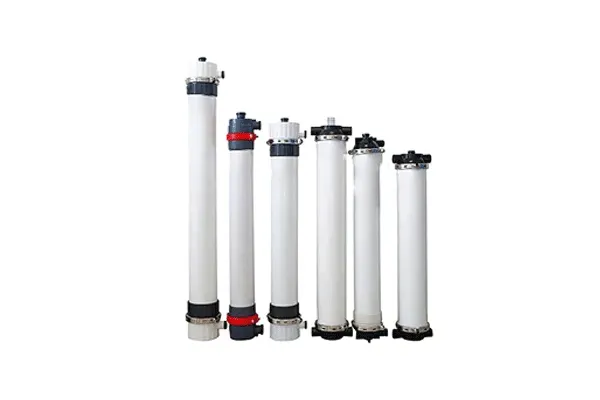
Reverse Osmosis (RO) Membranes: The Core of Pure Water Production
Diverse Application Spectrum
RO membranes are the cornerstone of numerous water treatment systems, with applications spanning a wide array of sectors:
• Drinking Water Treatment: From household water purifiers and bottled water production to the advanced purification of municipal water supplies, ensuring safe and clean drinking water.
• Industrial Ultrapure Water: Critical for industries such as electronics, power generation, pharmaceuticals, and chemicals, where water quality requirements are extremely stringent for manufacturing processes.
• Seawater and Brackish Water Desalination: A primary solution for addressing water scarcity by converting saline water sources into potable or usable water.
• Wastewater Reclamation and Reuse: Treating industrial or municipal wastewater to a standard suitable for reuse, thereby promoting water conservation and reducing environmental discharge.
Discover Our Advanced RO Solutions
If you are keen to explore the transformative capabilities of Reverse Osmosis membrane technology, we invite you to visit our RO Membrane Product Page for in-depth information on our cutting-edge offerings. Additionally, discover our specialized Pure Water Treatment Solutions and a comprehensive range of Water Treatment Technical Services to find tailored solutions for your specific project requirements.











 14:40
14:40