










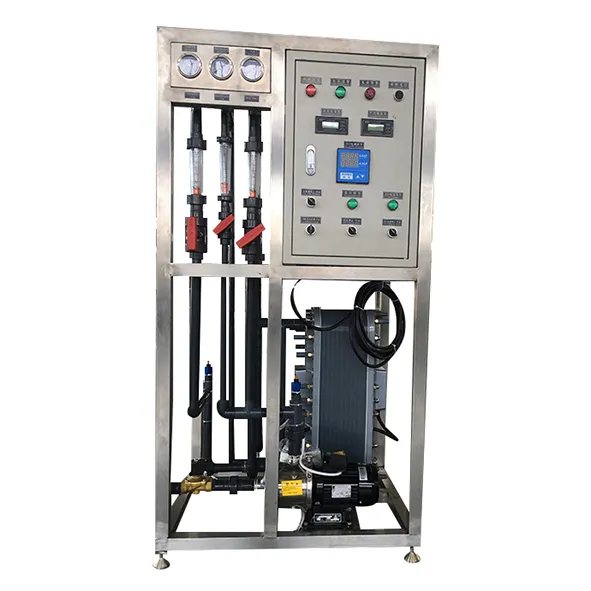
Intégration de l'échange d'ions
Utilise une structure polyamide multicouche pour maximiser la perméabilité à l'eau tout en maintenant une barrière exceptionnellement élevée aux sels dissous.
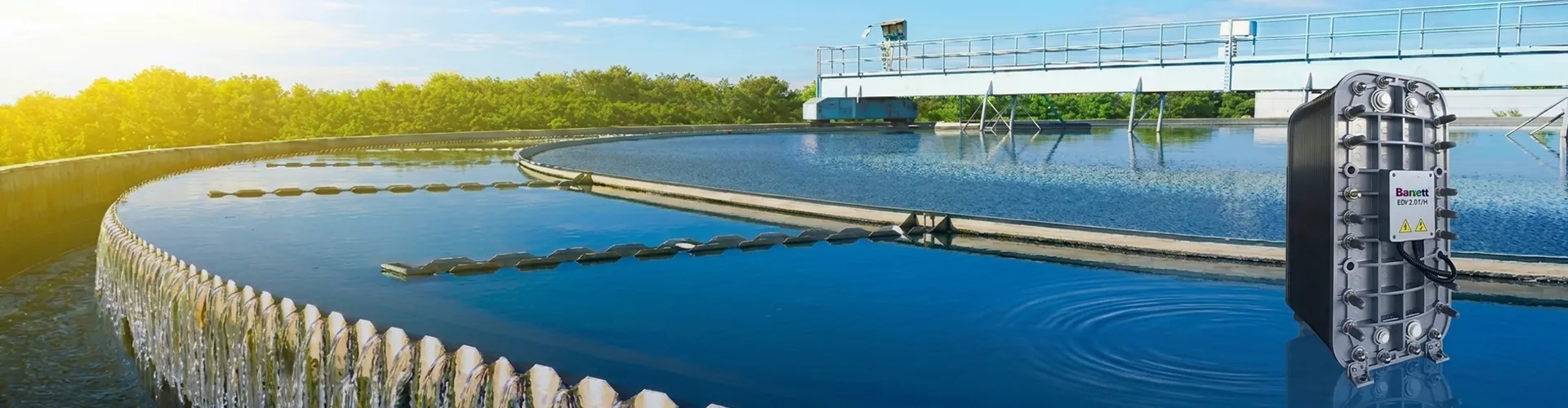
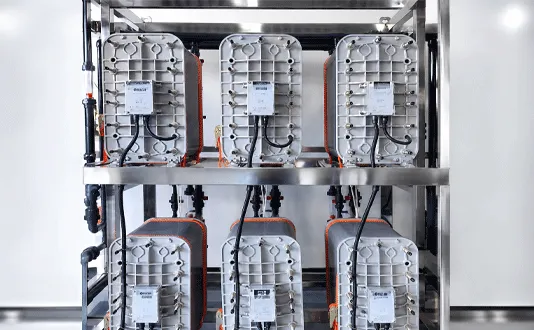
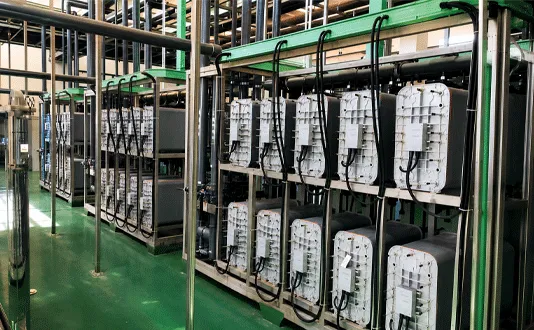
L'électrodéionisation (EDI) est une technologie de purification de l'eau continue et sans produits chimiques qui associe des résines échangeuses d'ions, des membranes échangeuses d'ions et du courant continu pour déioniser l'eau en profondeur. En tant qu'étape de polissage idéale après l'osmose inverse (RO), les systèmes EDI éliminent le besoin d'acides dangereux et de produits chimiques de régénération caustique utilisés dans l'échange d'ions à lit mixte traditionnel. Nos modules EDI et nos systèmes intégrés produisent de manière fiable de l'eau ultrapure (UPW) jusqu'à 18,2 MΩ-cm, offrant ainsi une solution sûre, stable et respectueuse de l'environnement pour les applications industrielles critiques.
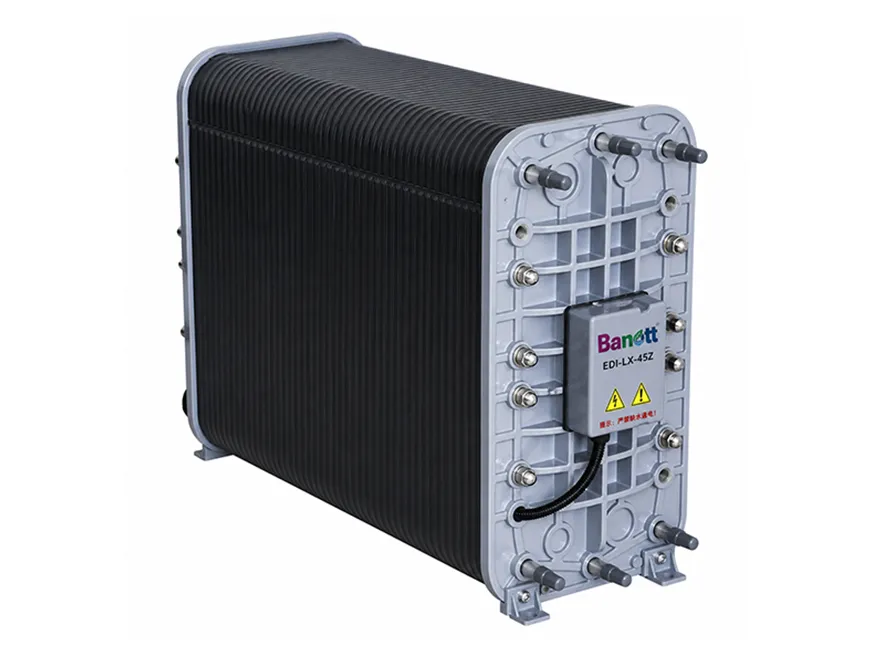
La technologie EDI offre un processus de polissage continu et sans produits chimiques pour fournir une eau ultrapure stable de 18,2 MΩ-cm pour les applications industrielles les plus exigeantes.
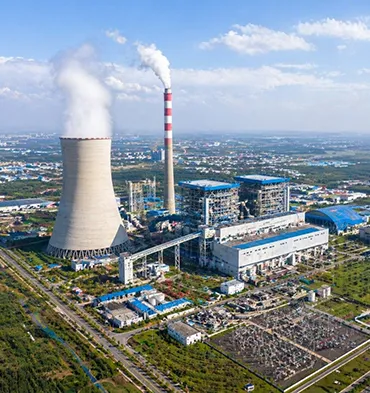
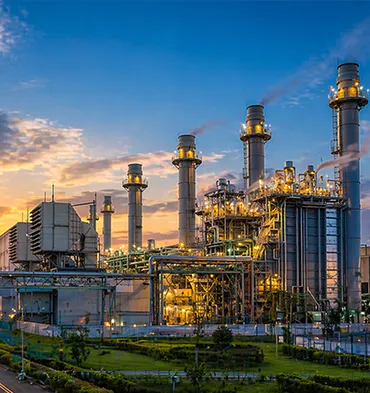
Le passage des résines traditionnelles à lit mixte à l'EDI offre des avantages opérationnels et environnementaux transformateurs pour la production d'eau ultrapure.
Fonctionnement sans produits chimiques : Aucun produit chimique de régénération acide ou caustique n'est nécessaire.
Production continue : L'alimentation en courant continu permet de régénérer la résine en continu et de réduire les temps d'arrêt.
Eau de haute qualité : Produit de l'eau ultrapure jusqu'à 18,2 MΩ-cm.
Réduction des coûts d'exploitation : Réduction des coûts de main-d'œuvre, de produits chimiques et de traitement des déchets.
Pour les installations nécessitant un approvisionnement fiable, sûr et continu en eau ultrapure, l'EDI est le remplacement moderne et éprouvé du polissage traditionnel en lit mixte.
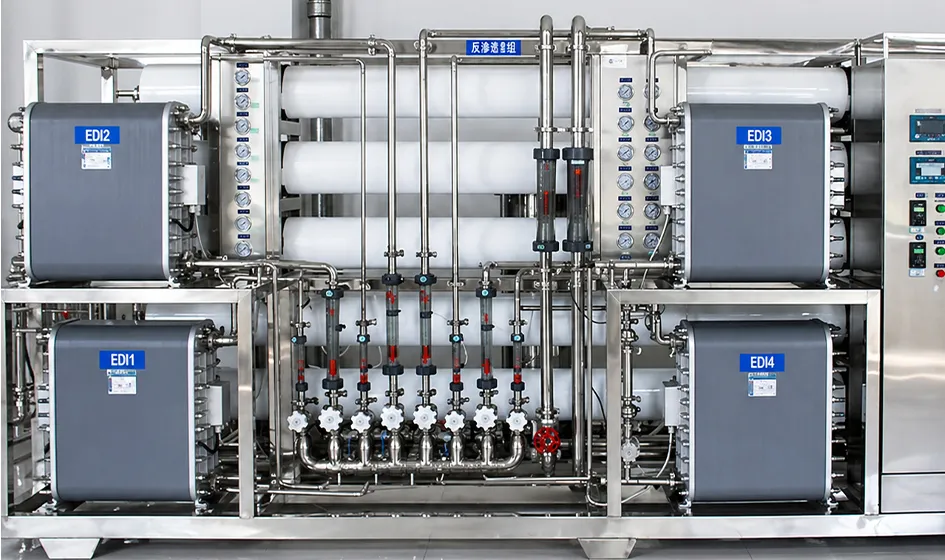
Utilise une structure polyamide multicouche pour maximiser la perméabilité à l'eau tout en maintenant une barrière exceptionnellement élevée aux sels dissous.
Applique un champ électrique pour diviser les molécules d'eau, régénérant continuellement le lit de résine sans intervention chimique.
La construction robuste du module garantit un fonctionnement sans fuite, protégeant ainsi les équipements environnants sensibles dans les installations de haute technologie.
Compatible avec les systèmes PLC et SCADA standard pour la surveillance en temps réel de la résistivité, de la tension et des débits.
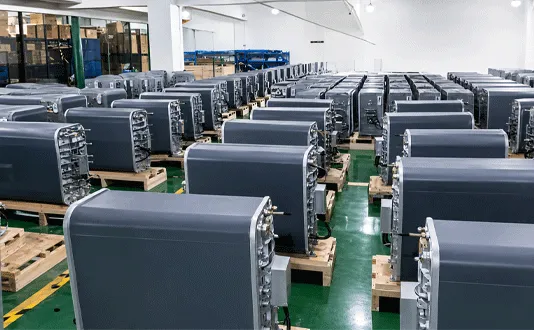
Fabrication et qualitéIntro : En tant que fabricant en usine, nous contrôlons la fabrication des membranes, l'assemblage des modules et l'inspection dans le cadre d'un système de qualité documenté.
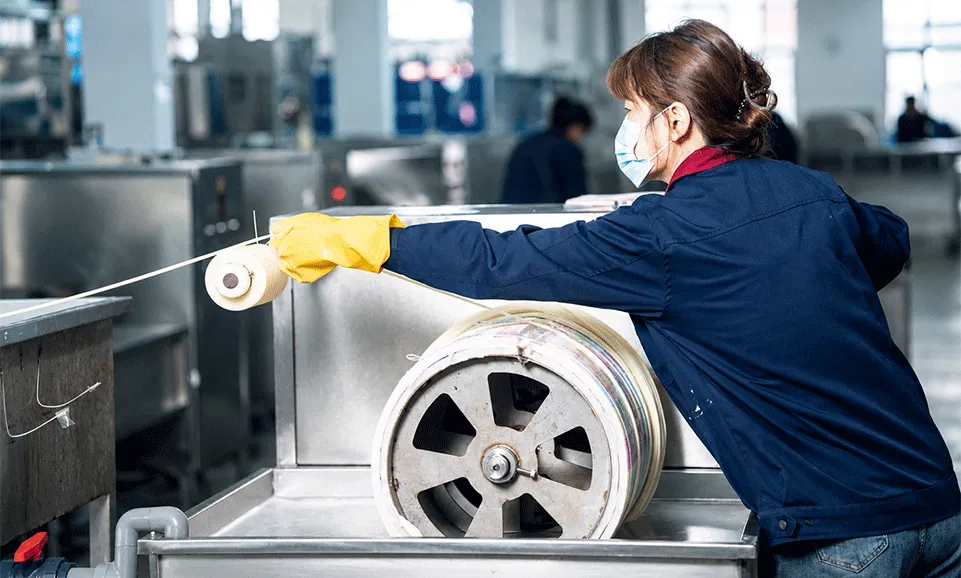
-Fabrication cohérente des membranes et assemblage des modules.
-Inspection et test d'intégrité avant expédition.
-Performances stables d'un lot à l'autre pour la cohérence du projet.
-Prise en charge des dimensions et des configurations personnalisées des modules.
Ce contrôle de la fabrication permet aux équipes EPC et aux opérateurs de réduire les incertitudes lors de l'installation et de la mise en service.
Découvrez des projets réels de traitement de l'eau dans différentes applications, qui témoignent de notre expérience en matière de systèmes membranaires, de procédés de purification et de solutions pour les eaux usées.
Un système de traitement de l'eau de puits profond utilisant l'OI et l'échange d'ions pour répondre aux exigences en matière d'eau potable.
Traitement combiné UF et RO pour la purification de l'eau de puits dans un système conteneurisé.
Projet de prétraitement de l'UF à grande échelle pour améliorer la qualité de l'eau d'alimentation de l'OI en aval.
Les membranes UF à fibres creuses sont couramment intégrées dans les solutions suivantes :
.webp.webp)
Nous soutenons votre équipe sur place pendant la préparation du démarrage et de la mise en service, y compris :
La principale différence réside dans la manière dont la résine échangeuse d'ions est régénérée. Les lits mixtes traditionnels exigent que le système soit mis hors service et rincé avec des acides et des caustiques dangereux. L'EDI utilise un courant électrique (courant continu) pour régénérer continuellement la résine pendant que le système fonctionne, ce qui élimine la manipulation de produits chimiques et les temps d'arrêt.
Les systèmes EDI sont très sensibles à la qualité de l'eau d'alimentation et doivent être utilisés comme étape de polissage. L'eau d'alimentation est généralement le perméat d'un système d'osmose inverse (OI) à un ou deux passages, qui a déjà éliminé la grande majorité des solides en suspension, des matières organiques et des sels dissous.
Oui. Lorsqu'ils sont alimentés par l'eau perméable RO appropriée et qu'ils fonctionnent dans les paramètres de tension et de débit spécifiés, nos modules EDI peuvent produire de manière cohérente et continue de l'eau ultrapure atteignant la résistivité maximale théorique de 18,2 MΩ-cm.
Faites-nous part des exigences de votre projet et notre équipe vous recommandera une configuration EDI et une approche d'intégration appropriées.