










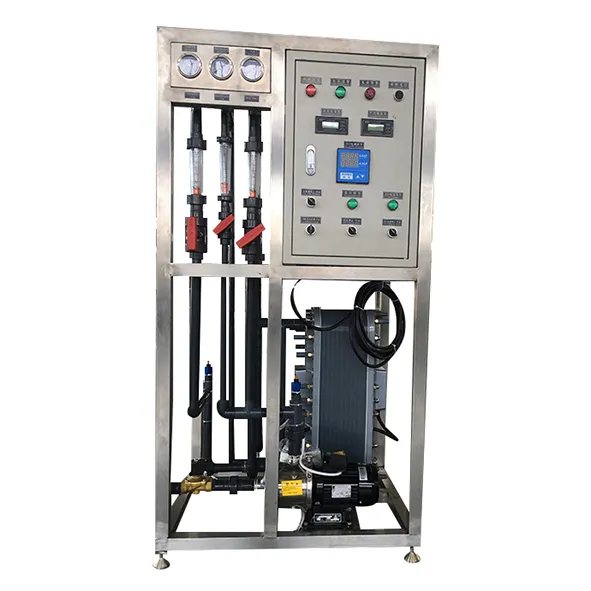
Integração de troca iônica
Utiliza uma estrutura de poliamida de várias camadas para maximizar a permeabilidade à água, mantendo uma barreira excecionalmente elevada aos sais dissolvidos.
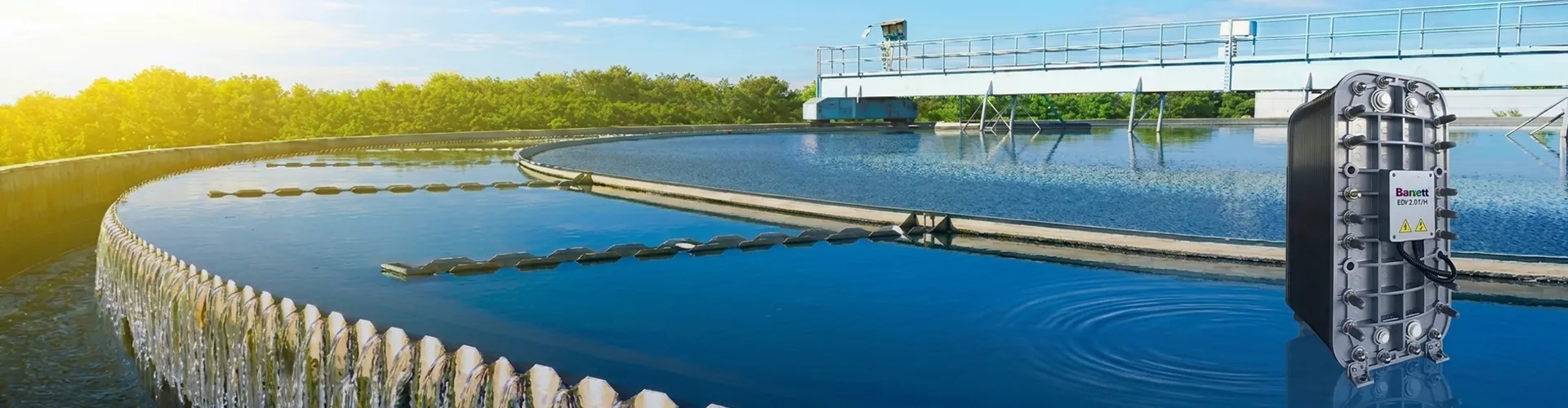
A eletrodeionização (EDI) é uma tecnologia de purificação de água contínua e sem produtos químicos que combina resinas de troca iônica, membranas de troca iônica e corrente contínua (CC) para desionizar profundamente a água. Como etapa de polimento ideal após a osmose inversa (RO), os sistemas EDI eliminam a necessidade de ácidos perigosos e produtos químicos cáusticos de regeneração utilizados na troca iônica de leito misto tradicional. Os nossos módulos EDI e sistemas integrados produzem de forma fiável água ultrapura (UPW) até 18,2 MΩ·cm, proporcionando uma solução segura, estável e ecológica para aplicações industriais críticas.
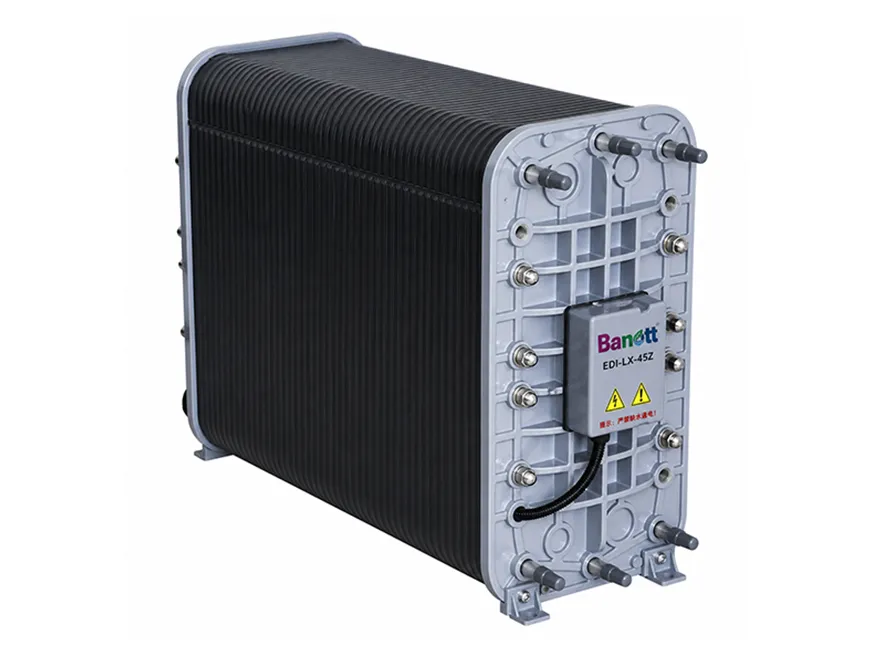
A tecnologia EDI proporciona um processo de purificação contínuo e sem produtos químicos, permitindo obter água ultrapura com uma resistividade estável de 18,2 MΩ·cm para as aplicações industriais mais exigentes.
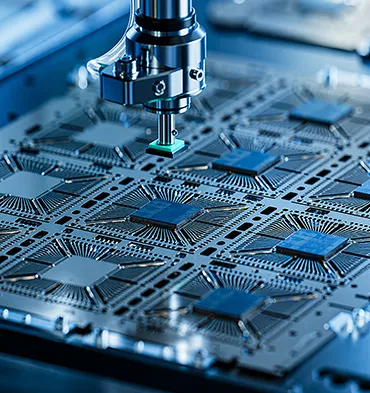
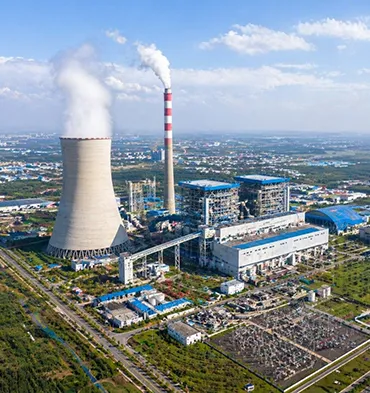
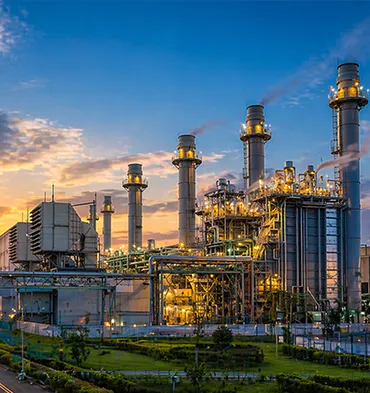
A transição das resinas tradicionais de leito misto para a EDI oferece vantagens operacionais e ambientais transformadoras na produção de água ultrapura.
Funcionamento sem produtos químicos: Não são necessários produtos químicos de regeneração, como ácidos ou cáusticos.
Produção contínua: a alimentação em corrente contínua permite a regeneração contínua da resina com menos tempo de inatividade.
Água de alta qualidade: Produz água ultrapura com resistividade de até 18,2 MΩ·cm.
Custos operacionais mais baixos: Reduz os custos com mão de obra, produtos químicos e tratamento de resíduos.
Para instalações que necessitam de um abastecimento fiável, seguro e contínuo de água ultrapura, a EDI é a alternativa comprovada e moderna ao tratamento de acabamento tradicional com leito misto.
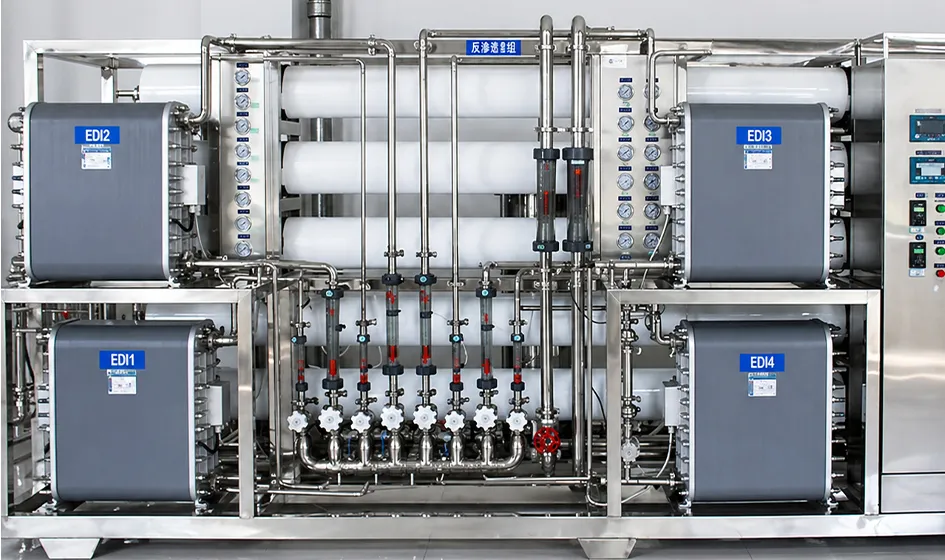
Utiliza uma estrutura de poliamida de várias camadas para maximizar a permeabilidade à água, mantendo uma barreira excecionalmente elevada aos sais dissolvidos.
Aplica um campo elétrico para separar as moléculas de água, regenerando continuamente o leito de resina sem intervenção química.
A construção robusta do módulo garante um funcionamento sem fugas, protegendo o equipamento sensível nas instalações de alta tecnologia.
Compatível com sistemas PLC e SCADA padrão para monitorização em tempo real da resistividade, tensão e caudais.
Fabrico e QualidadeIntro: Como fabricante de fábrica, controlamos o fabrico de membranas, a montagem de módulos e a inspeção sob um sistema de qualidade documentado.
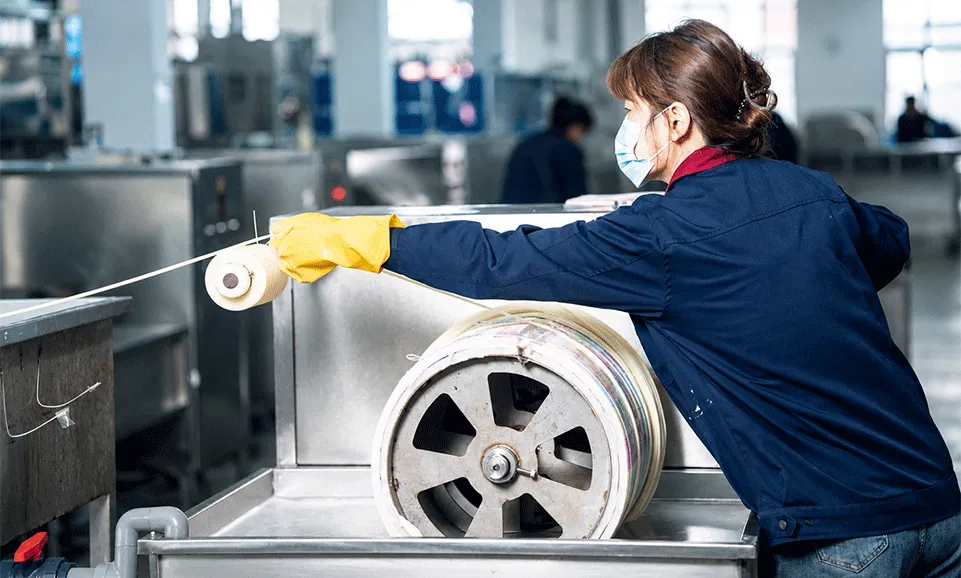
-Fabricação consistente de membranas e montagem de módulos.
-Inspeção e teste de integridade antes da expedição.
-Desempenho estável de lote para lote para consistência do projeto.
-Suporte para dimensões e configurações de módulos personalizados.
Este controlo do fabrico ajuda as equipas EPC e os operadores a reduzir a incerteza durante a instalação e a colocação em funcionamento.
Descubra projectos reais de tratamento de água em diferentes aplicações, mostrando a nossa experiência em sistemas de membranas, processos de purificação e soluções para águas residuais.
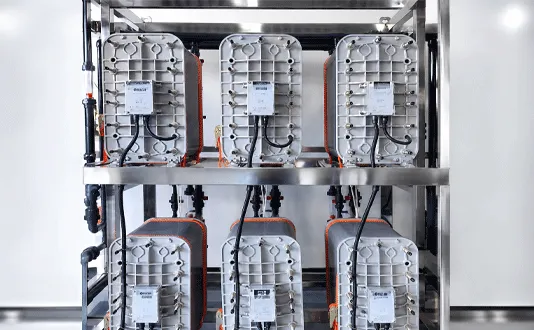
Um sistema de tratamento de água de poço profundo que utiliza osmose inversa e troca iônica para cumprir os requisitos de potabilidade.
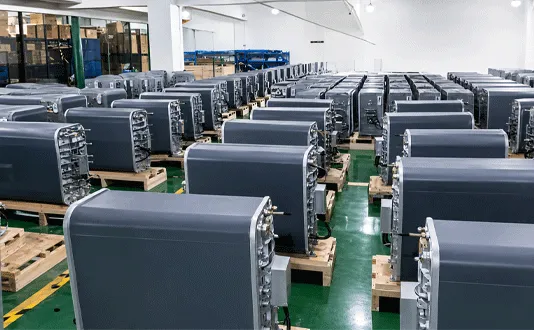
Tratamento combinado por UF e RO para a purificação de água de poço num sistema em contentores.
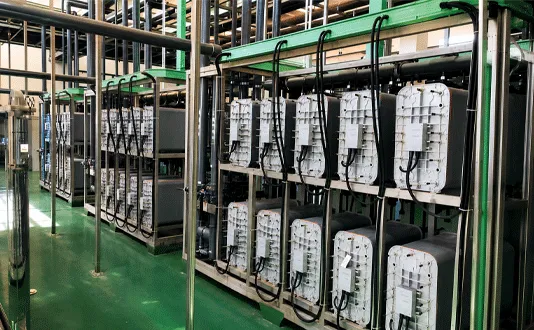
Projeto de pré-tratamento por ultrafiltração (UF) em grande escala que garante a qualidade da água de alimentação do sistema de osmose reversa (RO) a jusante.
As membranas UF de fibra oca são normalmente integradas nas seguintes soluções:
.webp.webp)
Apoiamos a sua equipa no local durante a preparação para o arranque e a entrada em funcionamento, incluindo:
A principal diferença reside na forma como a resina de troca iônica é regenerada. Os leitos mistos tradicionais exigem que o sistema seja desligado e lavado com ácidos e álcalis perigosos. A EDI utiliza uma corrente elétrica (corrente contínua) para regenerar continuamente a resina enquanto o sistema está em funcionamento, eliminando o manuseamento de produtos químicos e o tempo de inatividade.
Os sistemas EDI são altamente sensíveis à qualidade da água de alimentação e devem ser utilizados como etapa de purificação final. A água de alimentação é normalmente o permeado proveniente de um sistema de osmose inversa (RO) de passagem única ou dupla, que já removeu a grande maioria dos sólidos em suspensão, compostos orgânicos e sais dissolvidos.
Sim. Quando alimentados com a água de alimentação de permeado de osmose inversa (RO) adequada e operados dentro dos parâmetros especificados de tensão e caudal, os nossos módulos EDI podem produzir, de forma consistente e contínua, água ultrapura que atinge a resistividade máxima teórica de 18,2 MΩ·cm.
Partilhe os requisitos do seu projeto e a nossa equipa irá recomendar uma configuração de EDI e uma abordagem de integração adequadas.