Arızalı bir MBR membranı, enerji tüketimini artırabilir, su kalitesini düşürebilir ve atık su arıtma hattının genel işleyişini yavaşlatabilir. Membran ömrü önceden planlanmazsa, arıtma tesisiniz beklenmedik duruş süreleri, daha yüksek maliyetler ve deşarj hedeflerinin tutturulamaması gibi sorunlarla karşı karşıya kalabilir.
MBR membranları, iyi tasarlanmış bir atık su arıtma tesisinde genellikle 5–10 yıl dayanır. Gerçek hizmet ömrü, gelen atık suyun kalitesine, membran malzemesine, sistem tasarımına, havalandırmaya, temizliğe, akış kontrolüne ve günlük işletime bağlıdır. Uygun mühendislik çalışmaları, istikrarlı MBR işletimi ve zamanında yapılan membran temizliği sayesinde, birçok projede membran ömrü uzatılabilir ve değiştirme maliyeti azaltılabilir.
Makale Özeti
- MBR membranlarının ömrü normalde ne kadardır?
- Membran biyoreaktöründeki MBR membranı nedir?
- Atık su arıtımında membran ömrünü etkileyen faktörler nelerdir?
- Membran kirlenmesi, MBR’nin hizmet ömrünü nasıl kısaltır?
- MBR performansında işletim sistemi ne gibi bir rol oynar?
- Membran temizliği, membranın ömrünü nasıl uzatabilir?
- İçi boş fiber membranlar ve düz tabaka membranlar: Hangisi daha uzun ömürlüdür?
- MBR çözümleri genellikle hangi alanlarda kullanılır?
- Membran biyoreaktörlerinin avantajları nelerdir?
- Membranın değiştirilmesini ne zaman planlamalısınız?
- Vaka çalışması: Endüstriyel atık su projesinde membran ömrünün uzatılması
- MBR membranının hizmet ömrü hakkında sık sorulan sorular
MBR membranlarının ömrü normalde ne kadardır?
Çoğu gerçek projede, bir MBR membranı yaklaşık 5 ila 10 yıl dayanır. Giden suyun kalitesi kötü ise, sistem tasarımı yetersizse veya operatörler düzenli kontrolleri ihmal ederse, bazı MBR sistemlerinde membranın daha erken değiştirilmesi gerekebilir. İyi yönetilen atık su arıtma projelerinde ise membran genellikle uzun yıllar boyunca istikrarlı bir şekilde çalışmaya devam edebilir.
Su ve atık su arıtma sistemlerinin üreticisi ve mühendislik hizmeti sağlayıcısı olarak yürüttüğümüz çalışmalar kapsamında, membran ömrünü yalnızca bir ürün sorunu olarak değerlendirmiyoruz. MBR sistemini bir bütün olarak ele alıyoruz: giriş suyu kalitesi, tank tasarımı, hava ile temizleme, çamur konsantrasyonu, kontrol mantığı, temizlik planı ve yedek parça desteği.
İyi bir atık su arıtma tesisi, sadece bir membran modülünü kurup onun çalışmasını ummakla yetinmez. Membranın akışını kontrol eder, membran yüzeyini korur ve biyolojik tankın sağlıklı kalmasını sağlar. İşte bu sayede bir MBR projesi uzun hizmet ömrü ve istikrarlı arıtılmış su kalitesi elde eder.
MBR membranlarının ömrü normalde ne kadardır?
Membran Biyoreaktöründeki MBR Membranı Nedir?
MBR (membran biyoreaktör), biyolojik arıtma ile membran filtrasyonunu birleştirir. Basitçe ifade etmek gerekirse, bakteriler kirletici maddeleri parçalar ve membran, temiz suyu çamurdan ayırır. Bu özellik, MBR sürecini birçok geleneksel atık su arıtma yöntemine kıyasla daha kompakt hale getirir.
Aktif çamurlu membran biyoreaktöründe, biyolojik tank askıda büyüme biyoreaktörü gibi çalışır. Bakteriler, MBR karışık sıvısı olarak da adlandırılan karışık sıvı içinde çoğalır. Ardından membran, aktif çamuru, askıda katı maddeleri ve birçok ince partikülü tutarken, arıtılmış temiz su ise içinden geçer.
Membran gözenek boyutu çok küçüktür. Bu nedenle, MBR projelerinde ultrafiltrasyon membranı yaygın olarak kullanılmaktadır. Membran ayırma aşaması, suyun berraklığını artırır ve atık su arıtma sürecinin, deşarj veya yeniden kullanım için daha istikrarlı bir arıtma suyu üretmesine yardımcı olur.
Atık Su Arıtımında Membran Ömrünü Etkileyen Faktörler Nelerdir?
Bir MBR membranının ömrünü etkileyen birçok faktör vardır. Bunların en önemlileri, giriş suyu kalitesi, tasarım akışı, havalandırma, çamur yaşı, kimyasal dozajı, temizlik programı ve operatörün becerisidir. Etkili bir arıtma süreci, membranı aşırı yüklenmeden korur.
Endüstriyel atık sularda risk, genellikle basit evsel atık sulara kıyasla daha yüksektir. Tekstil, boyama, gıda, içecek, kimya, ilaç ve elektronik fabrikalarının atık sularında yağ, renk maddeleri, yüksek COD, tuz, ince partiküller veya toksik maddeler bulunabilir. Ön arıtma işlemi iyi tasarlanmazsa, bu maddeler membranın bozulmasına neden olabilir.
İşte basit bir görünüm:
| Faktör |
Membran Ömrüne Yönelik Risk |
Mühendislik Kontrolü |
| Yüksek askıda katı madde miktarı |
Zar yüzeyini tıkar |
Eleme, kum giderme, çamur kontrolü |
| Yağ ve gres |
Yapışkan membran kirlenmesine neden olur |
Yağ ayırma ve ön arıtma |
| Yüksek akı |
Membran tabakasına baskı uygular |
Doğru membran alanı tasarımı |
| Yetersiz havalandırma |
Kirlenmelerin birikmesine yol açar |
Doğru hava temizleme |
| Yetersiz temizlik |
Membran geçirgenliğini azaltır |
Planlı membran temizliği |
| Aşırı güçlü kimyasallar |
Membran liflerine zarar verebilir |
Doğru temizlik konsantrasyonu |
İyi bir MBR tasarımı, tesisin inşasından önce başlar. Su kalitesini, proje debisini, deşarj hedefini, yeniden kullanım hedefini, saha alanını, otomasyon ihtiyaçlarını ve gelecekteki genişleme olanaklarını değerlendiririz. Bu sayede hem belediye atık suları hem de endüstriyel atık sular için özelleştirilmiş MBR çözümleri sunabiliyoruz.
Membran Tıkanması MBR’nin Hizmet Ömrünü Nasıl Kısaltır?
Membran kirlenmesi, bir MBR membranının performansını kaybetmesinin başlıca nedenlerinden biridir. Kirlenme, çamur, kolloidler, organik maddeler, yağ veya tuzların membran yüzeyinde birikmesiyle meydana gelir. Zamanla, membran yüzeyindeki bu kirletici maddeler su akışını azaltır.
Her kirlenme kalıcı değildir. Bazı membran kirleticileri, hava ile temizleme, ters yıkama veya kimyasal temizleme yoluyla giderilebilir. Ancak kirlenme çok uzun süre göz ardı edilirse, membran tabakasının temizlenmesi zorlaşabilir. Bu durumda membran geçirgenliği düşer, enerji tüketimi artar ve MBR sistemi daha az istikrarlı hale gelir.
Membran biyoreaktörlerinde (MBR) membran tıkanmasında amaç, tıkanmayı tamamen ortadan kaldırmak değildir. Bu gerçekçi bir hedef değildir. Asıl amaç, tıkanmayı kontrol altına almaktır. Akıllı bir MBR işletim planı, membran üzerindeki yükü en aza indirmek için makul bir akış hızı, doğru çamur konsantrasyonu, düzenli temizlik ve çevrimiçi izleme yöntemlerini kullanır.
İşletim, MBR Performansında Ne Gibi Bir Rol Oynar?
MBR sisteminin işletimi yetersizse, en iyi membran bile erken arızalanabilir. Günlük işletim, membran yüzeyinin çevresindeki gerçek çalışma ortamını kontrol eder. Operatörler, transmembran basıncı, akış hızı, çözünmüş oksijen, MLSS, pH, sıcaklık ve temizlik kayıtlarını takip etmelidir.
İstikrarlı bir MBR sistemi için denge gereklidir. Aktif çamur çok eski, çok yoğun veya yetersiz havalandırılmışsa, biyolojik süreç zayıflayabilir. Biyolojik süreç zayıflarsa, membrana daha fazla kirletici madde ulaşır. Bu durum MBR’de kirlenmeyi artırır ve MBR’nin performansını düşürür.
EPC müteahhitleri ve mühendislik şirketleri için bu husus önemlidir. Arıtma sistemi, net bir PLC/SCADA mantığı, alarmlar, kullanım kılavuzları ve devreye alma desteğini içermelidir. İyi bir MBR tesisi, sadece bir membran ünitesine sahip bir tank değildir. Tamamen mühendislikle tasarlanmış bir sistemdir.
Membran Temizliği Membranın Ömrünü Nasıl Uzatabilir?
Membran temizliği, akışın yeniden sağlanmasına ve membran ömrünün uzatılmasına yardımcı olur. Birçok MBR projesinde, operatörler bakım temizliği ve geri kazanım temizliği yöntemlerini kullanır. Bakım temizliği hafif ve düzenli olarak yapılır. Geri kazanım temizliği ise daha yoğun bir işlemdir ve performansın daha ciddi şekilde düştüğü durumlarda uygulanır.
Membranların temizliği, kirlenme türüne uygun olmalıdır. Organik kirlenmelerde oksitleyici kimyasalların kullanılması gerekebilir. Kireçlenmelerde asitli temizlik gerekebilir. Yağ kirlenmelerinde ise özel bir ön işlem ve dikkatli bir kimyasal seçimi gerekebilir. Yetersiz temizlik, kirlenmenin kalmasına neden olur. Aşırı temizlik ise membran ömrünü kısaltabilir.
Basit bir temizlik planı şöyle olabilir:
| Temizlik Türü |
Tipik Kullanım Amacı |
Ne Zaman Kullanılmalı? |
| Hava ile temizleme |
Çamur birikimini azaltın |
Sürekli veya zamanlanmış |
| Geri yıkama |
Gevşek parçacıkları temizleyin |
Sık çalışma döngüsü |
| Bakım temizliği |
Geçirgenliği sabit tutun |
Haftalık veya aylık |
| Kurtarma temizliği |
Ciddi akı kaybını telafi et |
Basınç aniden yükseldiğinde |
| Çevrimdışı bekletme |
Derinlemesine temizlik |
Kapatma veya bakım sırasında |
İşin püf noktası disiplindir. Verileri kaydedin. Eğilimleri takip edin. Erken harekete geçin. Membran filtrasyon, gerçek bir atık su arıtma projesinde işte bu şekilde güvenilirliğini korur.
İçi Boş Fiber Membranlar ve Düz Tabaka Membranlar: Hangisi Daha Uzun Ömürlüdür?
Hem içi boş fiber membranlar hem de düz tabaka membran ürünleri, MBR projelerinde başarılı bir şekilde kullanılabilir. Doğru seçim, atık su türüne, tank düzenine, hava ihtiyacına, bakım planına, operatörün becerisine ve proje bütçesine bağlıdır.
İçi boş fiber membran, çok sayıda küçük fiberden oluşur. Yüksek dolum yoğunluğu ve kompakt bir tasarım sunar. Bu özellik, yerin sınırlı olduğu durumlarda veya modüler bir MBR tasarımının gerekli olduğu durumlarda faydalıdır. Ancak, membran fiberleri keskin katı maddelerden, şiddetli bükülmeden ve yetersiz havalandırmadan korunmalıdır.
Düz tabaka membran ürünleri, genellikle kolay temizlenebilir olmaları ve sağlam mekanik destek sağlamaları nedeniyle tercih edilmektedir. Bazı zorlu atık su projelerinde, düz tabaka tasarımları çamur hareketini iyi bir şekilde yönetebilir. Ancak bu tasarımlar, bazı içi boş fiber tasarımlara kıyasla daha fazla alana ihtiyaç duyabilir. Bu nedenle, membran tipini sadece katalog adına göre değil, projeye göre seçiyoruz.
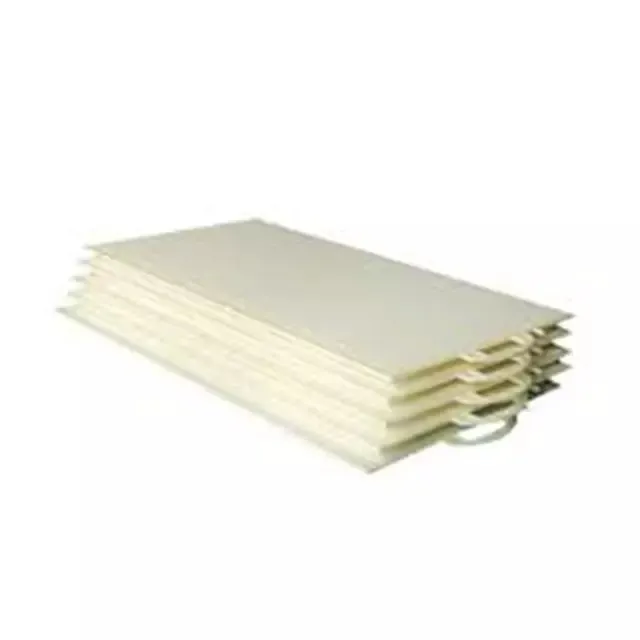
Düz Tabaka Membranlar
MBR Çözümleri Genellikle Nerede Kullanılır?
MBR uygulamaları birçok proje türünü kapsamaktadır. Membranlar, belediye atık suları, oteller, okullar, hastaneler, çiftlikler, gıda fabrikaları, tekstil tesisleri, sanayi parkları, elektronik fabrikaları ve su geri kazanım projelerinde kullanılabilir. Kompakt yapısı sayesinde MBR, arsa fiyatlarının yüksek olduğu durumlarda özellikle kullanışlıdır.
Belediye atık su arıtımında MBR teknolojisi, arıtma suyunun berraklığını artırabilir ve eski tesislerin modernizasyonuna katkıda bulunabilir. Belediye atık su arıtma tesislerinde bu sistem, daha sıkı deşarj kurallarına ve yeniden kullanım hedeflerine uyum sağlamaya yardımcı olabilir. Kentsel atık su arıtımında kompakt tasarım önemli bir avantajdır.
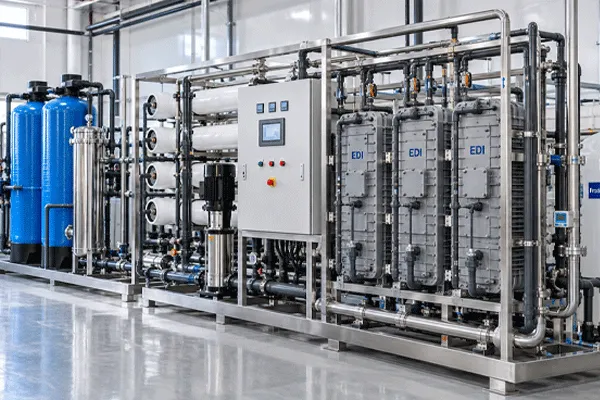
Endüstriyel atık su arıtımında MBR genellikle daha geniş bir sistemin parçasıdır. Ön arıtma aşamasından sonra ve RO, EDI veya diğer son arıtma aşamalarından önce devreye girebilir. Endüstriyel atık suların arıtılması için genellikle elekler, dengeleme tankları, dozaj sistemleri ve bir membran reaktörünü bir araya getiriyoruz, RO membranları, EDI modülleri ve otomasyonu tek bir proje planında bir araya getirmek.
Membran Biyoreaktörlerin Avantajları Nelerdir?
Membran biyoreaktörlerin avantajları kolayca anlaşılabilir. Bir MBR, birçok geleneksel arıtma havuzu tabanlı sisteme kıyasla yüksek atık su berraklığı, kompakt bir tasarım, çıkış suyunda daha düşük askıda katı madde miktarı ve daha iyi kontrol sağlar. Ayrıca atık su arıtımı ve yeniden kullanımını da destekler.
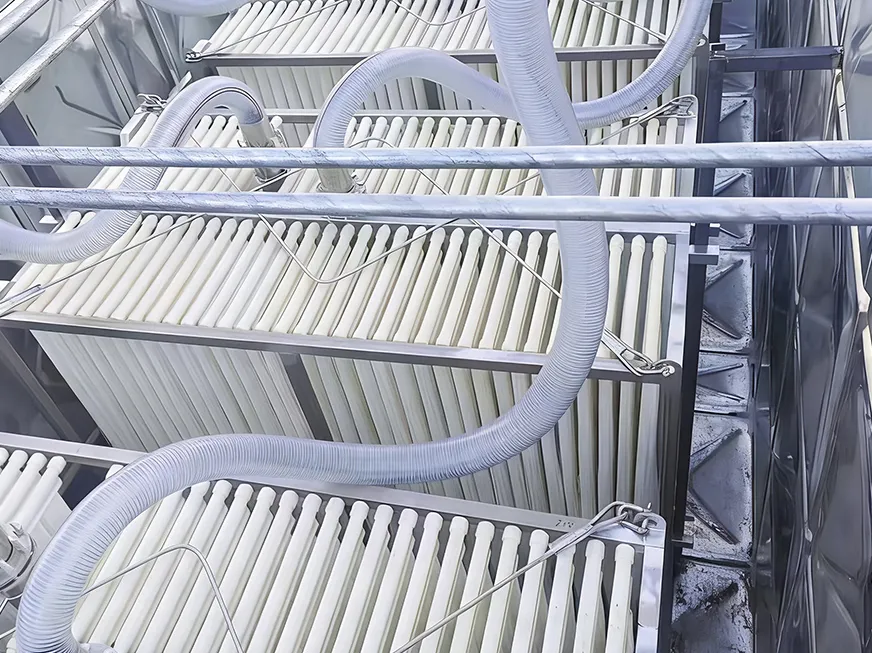
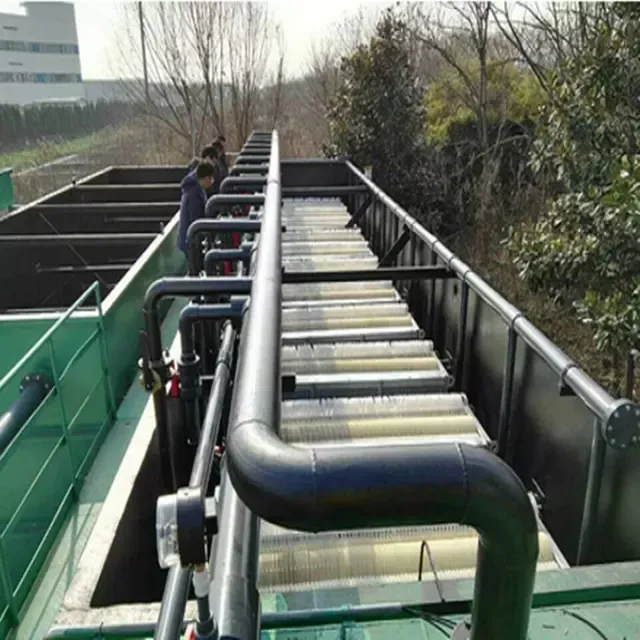
Daldırılmış MBR, biyolojik tankın içine veya ayrı bir membran tankına yerleştirilmiş bir daldırılmış membran kullanır. Bu daldırılmış membran biyoreaktör tasarımı, yer tasarrufu sağlar ve büyük bir ikincil çökütücüye olan ihtiyacı azaltır. Daldırılmış membran ayrıca katı-sıvı ayrışmasının doğrudan gerçekleşmesini sağlar.
Sanayi tesis sahipleri için bu sistemin sağladığı fayda pratik niteliktedir. Daha iyi çıkış kalitesi, daha az risk anlamına gelir. Kompakt tasarım, arazi tasarrufu sağlar. Otomasyon, işgücü ihtiyacını azaltır. İstikrarlı arıtma verimliliği, mevzuata uyumu destekler. Gerektiğinde, MBR sisteminin ardından, uygun tasarım ve onay sürecinden sonra yüksek kalitede yeniden kullanım veya hatta içme suyu üretimi amacıyla RO, UF, EDI veya dezenfeksiyon gibi ek arıtma işlemleri uygulanabilir.
Bir MBR membranının ne zaman değiştirilmesi gerektiğini nasıl anlarsınız?
Bir membran genellikle bir gecede arızalanmaz. Önce bazı belirtiler gösterir. En yaygın belirtiler arasında basınç artışı, akışta azalma, daha sık temizlik gereksinimi, dengesiz arıtma suyu, kopmuş lifler veya MBR modülünde gözle görülür hasarlar sayılabilir. Bu belirtiler, uygun bir temizlik işleminden sonra da devam ederse, membranın değiştirilmesini planlamanın zamanı gelmiş olabilir.
Bir proje ekibi, arıza meydana gelene kadar beklememelidir. Önceden plan yapın. Yedek modüller bulundurun. Basınç ve akışı izleyin. Mevcut verileri devreye alma verileriyle karşılaştırın. Membranın daha fazla temizliğe ihtiyacı olmasına rağmen geri kazanım oranı düşüyorsa, eskime eğilimi açıktır.
İşte basit bir yedekleme planlama tablosu:
1–2. Yıl: Sorunsuz çalışma, normal temizlik
3–5. Yıl: Kirlenme eğilimini takip edin, işletimi optimize edin
5–7. Sınıf: Yedek membran bütçesini hazırlayın
7–10. sınıflar: Verilere göre değiştirme zamanını kontrol edin
10 yıl sonra: Projenin durumuna göre değiştirin veya yükseltin
Bu sadece bir kılavuz niteliğindedir. Bazı tam ölçekli MBR tesisleri daha erken değiştirilebilir. Diğerleri ise daha uzun süre dayanabilir. Asıl cevap, suya, tasarıma ve işletime bağlıdır.
Bir MBR membranının ne zaman değiştirilmesi gerektiğini nasıl anlarsınız?
Mühendislik Tasarımı, MBR Membranının Ömrünü Nasıl Uzatabilir?
İyi bir tasarım, sorunlar ortaya çıkmadan önce membranı korur. Yeni bir atık su arıtma sistemi için öncelikle giriş verilerini, akış değişikliklerini, deşarj standartlarını, saha yerleşimini ve yeniden kullanım ihtiyaçlarını inceleriz. Ardından membran alanını, havalandırma sistemini, tank yapısını, PLC mantığını ve temizleme yöntemini belirleriz.
Belediye ve endüstriyel atık su arıtımı söz konusu olduğunda, tek bir sabit tasarım her projeye uymaz. Bir gıda fabrikası ile bir yarı iletken fabrikasının riskleri farklıdır. Bir otel ile bir kimya fabrikası da farklı ön arıtma süreçlerine ihtiyaç duyar. İşte bu nedenle, özelleştirilmiş mühendislik desteği büyük önem taşır.
Profesyonel bir üretici olarak, şu alanlarda destek sağlıyoruz: içi boş fiber MBR membranları, içi boş fiber UF membranları, düz tabaka MBR membranları, RO membranları, EDI modülleri, küçük RO cihazları, saf su tesisleri, atık su arıtma tesisleri, konteyner tipi sistemler ve kızak üzerine monte edilmiş sistemler. Bu sayede, sadece tek bir bileşeni satmak yerine entegre membran prosesleri tasarlayabiliyoruz.
Vaka Çalışması: Endüstriyel Atık Su Projesinde Membran Ömrünün Uzatılması
Bir endüstriyel tesiste akış dengesizliği, yüksek askıda katı madde miktarı ve sık sık kirlenme sorunları yaşanıyordu. Eski su arıtma hattında, MBR sisteminden önce basit çökeltme işlemi uygulanıyordu. Operatörler sık sık temizlik yapıyordu, ancak membran basıncı yine de yükseliyordu. Tesisin daha istikrarlı bir atık suya ve daha az arıza süresine ihtiyacı vardı.
Süreci inceledik ve üç temel sorun tespit ettik: yetersiz ön arıtma, yüksek pik yük ve yetersiz çamur kontrolü. Çözüm, daha iyi eleme, dengeleme, iyileştirilmiş havalandırma, optimize edilmiş aktif çamur proses kontrolü ve daha net bir temizlik programını içeriyordu. Ayrıca, membran yüzeyini korumak için işletme akışını ayarladık.
Yükseltme işleminin ardından endüstriyel MBR sistemleri daha sorunsuz çalışmaya başladı. Tesis, acil temizlik işlemlerini azalttı, su kalitesini artırdı ve membran filtrasyon sisteminin yönetimini kolaylaştırdı. Ekipman tedariki ile mühendislik tasarımı birbiriyle uyumlu bir şekilde yürütüldüğünde bu tür sonuçlar sıkça görülür.
Alıcılar, bir MBR membran tedarikçisi seçmeden önce neleri sormalıdır?
Bir MBR membranı satın almadan önce, alıcılar sadece fiyatı sormamalıdır. Fiyat önemlidir, ancak uzun vadeli işletim daha da önemlidir. Ucuz bir membran, arıza süresine, yüksek enerji tüketimine veya sık sık değiştirilmeye neden olursa pahalıya mal olabilir.
Alıcılar için faydalı sorular şunlardır:
- Tedarikçi, hem belediye atık suları hem de endüstriyel atık sular için tasarım yapabilir mi?
- Tedarikçi, içi boş fiber ve düz levha seçenekleri sunuyor mu?
- Tedarikçi, konteyner tipi veya kızak üzerine monte edilmiş sistemleri destekleyebilir mi?
- Tedarikçi, PLC / SCADA otomasyonu sağlıyor mu?
- Çizimler, kılavuzlar ve teknik belgeler anlaşılır mı?
- Tedarikçi, devreye alma ve yedek parça konularında yardımcı olabilir mi?
- Tedarikçi, atık su arıtımına yönelik membran biyoreaktörleri sadece bir ürün olarak değil, tam kapsamlı bir proje olarak görüyor mu?
EPC müteahhitleri, distribütörler ve sistem entegratörleri için en iyi iş ortağı, sadece bir satıcı değildir. En iyi iş ortağı, tasarım aşamasından teslimata kadar proje riskini azaltmaya yardımcı olur.
MBR Membranının Kullanım Ömrü Hakkında Sık Sorulan Sorular
Bir MBR membranı gerçekten 10 yıl dayanabilir mi?
Evet, iyi tasarlanmış ve doğru işletilen bir sistemde bir MBR membranı yaklaşık 10 yıl dayanabilir. Giren suyun kalitesi kontrol altında tutulmalı, akış makul düzeyde olmalı ve temizlik işlemleri uygun bir plana göre gerçekleştirilmelidir.
MBR membranlarının erken arızalanmasının başlıca nedeni nedir?
Bunun başlıca nedeni genellikle kontrolsüz membran kirlenmesidir. Diğer nedenler arasında yetersiz ön arıtma, kimyasal hasar, yetersiz havalandırma, yüksek katı madde içeriği, yanlış temizlik ve hatalı işletim sayılabilir.
MBR, geleneksel atık su arıtma yöntemlerinden daha mı iyidir?
Birçok proje için, evet. MBR, birçok geleneksel sisteme kıyasla daha iyi katı-sıvı ayrımı, daha az yer kaplama ve daha istikrarlı arıtma suyu sağlar. Ancak, iyi bir işletim ve doğru bir tasarım gerektirir.
MBR ile arıtılmış su yeniden kullanılabilir mi?
Evet. MBR sisteminden çıkan arıtılmış su, genellikle sulama, sifonlama, soğutma ve temizlik amaçlarıyla yeniden kullanılabilir veya daha yüksek kaliteli kullanımlar için RO ve EDI yöntemleriyle daha da arıtılabilir. Nihai kullanım, yerel standartlara ve proje tasarımına bağlıdır.
Endüstriyel atık su projeleri için özel bir MBR tasarımı gerekli midir?
Evet. Endüstriyel atık sular yağ, kimyasallar, tuz, renklendirici maddeler veya toksik bileşikler içerebilir. Bunlar, membranı korumak ve istikrarlı bir performans sağlamak için uygun bir ön arıtma ve özel bir tasarım gerektirir.
MBR membranları ne sıklıkla temizlenmelidir?
Bu, su kalitesine ve işletme verilerine bağlıdır. Birçok sistemde düzenli bakım temizliği yapılır ve basınç yükseldiğinde daha kapsamlı bir temizlik gerçekleştirilir. En uygun program, tahminlere değil, sahadaki verilere dayandırılmalıdır.
Son Düşünceler: MBR Membranlarının Ömrü Ne Kadardır?
Bir MBR membranının ömrü genellikle 5–10 yıldır, ancak gerçek hizmet ömrü projenin tamamına bağlıdır. İyi bir membran biyoreaktör, sadece membranın kendisinden ibaret değildir. Tasarım, işletme, temizlik, otomasyon ve uzun vadeli destek de önemlidir.
EPC müteahhitleri, mühendislik firmaları, belediye tesisleri, fabrikalar ve distribütörler için doğru iş ortağını seçmek, sık sık yaşanan sorunlar ile istikrarlı bir işletme arasında fark yaratabilir. Su arıtma ve atık su arıtma sistemlerini, özelleştirilmiş mühendislik çalışmaları, fabrikada üretim, kapsamlı dokümantasyon, devreye alma desteği ve uzun vadeli yedek parça hizmeti ile kuruyoruz.
Unutulmaması Gereken Önemli Noktalar
- MBR membranları, iyi yönetilen bir sistemde genellikle 5–10 yıl dayanır.
- Membran kirlenmesi, uzun hizmet ömrü açısından günlük olarak karşılaşılan en büyük risktir.
- Doğru ön arıtma, membranı korur ve sistemin kararlılığını artırır.
- Doğru akış, havalandırma, çamur kontrolü ve temizlik, membranın ömrünü uzatır.
- İçi boş fiber ve düz tabaka tasarımlarının her ikisinin de avantajları vardır.
- Endüstriyel projeler, herkese uyan tek tip ekipmanlara değil, özel olarak tasarlanmış mühendislik çözümlerine ihtiyaç duyar.
- Güvenilir bir tedarikçi, tasarım, üretim, otomasyon, devreye alma ve yedek parça konularında destek sağlamalıdır.
- En iyi MBR sonucu, membranın, işlemin ve proje hedefinin birbiriyle uyumlu hale getirilmesiyle elde edilir.











 17:51
17:51