يخشى الكثيرون من أن تكون مياه التناضح العكسي “نقية أكثر من اللازم” وقد تضر بالكلى. بينما يخشى آخرون من أن تحتوي مياه الصنبور على ملوثات. والحقيقة أكثر توازناً: فجودة المياه، ومقدار المعادن التي يتم تناولها، والحالة الصحية الشخصية، كلها عوامل مهمة. ويمكن لنظام التناضح العكسي الجيد أن يساعد في هذا الصدد، لكن الاستخدام الذكي له دور مهم.
تعتبر مياه التناضح العكسي آمنة للشرب بشكل عام للأشخاص الذين يتمتعون بصحة كلى جيدة. فهي قادرة على إزالة العديد من المواد الصلبة الذائبة والملوثات من المياه، مما قد يساهم في توفير مياه شرب أكثر أمانًا في المناطق التي تعاني من سوء جودة المياه. ومع ذلك، تحتوي مياه التناضح العكسي على كميات أقل من المعادن، لذا ينبغي على الأشخاص الحصول على الكالسيوم والمغنيسيوم من الطعام أو استخدام مرشح لإعادة التمعدن عند الحاجة.
هل مياه التناضح العكسي آمنة للكلى؟ نصائح حول مياه التناضح العكسي لصحة الكلى
مخطط المقال
- ما هي مياه التناضح العكسي، وكيف يعمل الفلتر؟
- هل مياه التناضح العكسي آمنة للكلى؟
- كيف يساعد الماء في الحفاظ على وظائف الكلى يوميًا؟
- هل يمكن أن يساعد شرب مياه التناضح العكسي في تقليل خطر الإصابة بحصوات الكلى؟
- هل يزيل التناضح العكسي المعادن المفيدة من الماء؟
- هل يُشكل الماء منزوع المعادن مصدر قلق بالنسبة لصحة الكلى على المدى الطويل؟
- متى ينبغي على المصابين بأمراض الكلى استشارة الطبيب أولاً؟
- كيف تقارن مياه التناضح العكسي (RO) بمياه الصنبور والمياه المعبأة والمياه المعدنية؟
- ما هو تصميم نظام التناضح العكسي الذي يجعل المياه آمنة وممتعة للشرب؟
- ما هي النصائح العملية المتعلقة بغسيل الكلى للحفاظ على صحة الكلى؟
- الأسئلة الشائعة حول مياه التناضح العكسي وصحة الكلى
- أمور أساسية يجب تذكرها
ما هي مياه التناضح العكسي، وكيف يعمل الفلتر؟
التناضح العكسي هي عملية لتنقية المياه تعتمد على دفع الماء عبر غشاء شبه منفذ. وبعبارة بسيطة، يعمل الغشاء كمرشح دقيق للغاية، حيث يسمح بمرور جزيئات الماء بينما يحد من وجود العديد من الأملاح المذابة والمعادن والشوائب الصغيرة الأخرى. تشير وكالة حماية البيئة الأمريكية (EPA) إلى أن التناضح العكسي (RO) قادر على إزالة العديد من المواد غير العضوية، والمواد الصلبة المذابة، والنويدات المشعة، والمواد الكيميائية العضوية الاصطناعية من مياه الشرب.
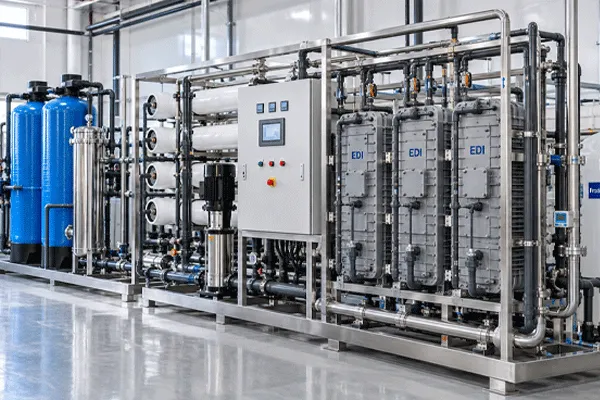
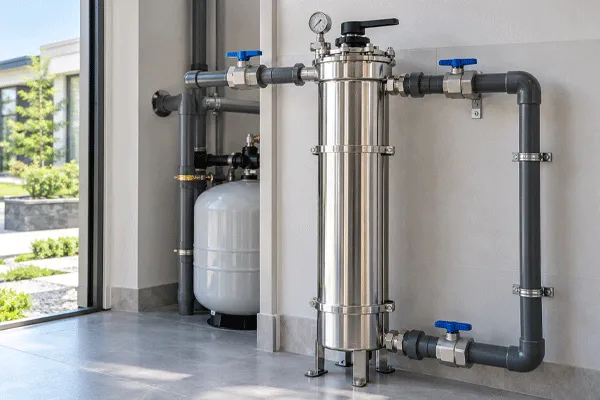
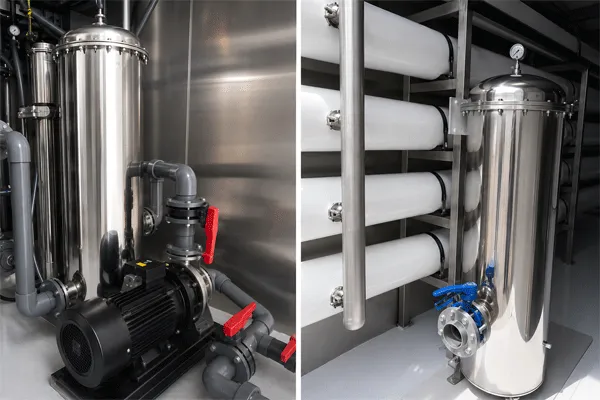
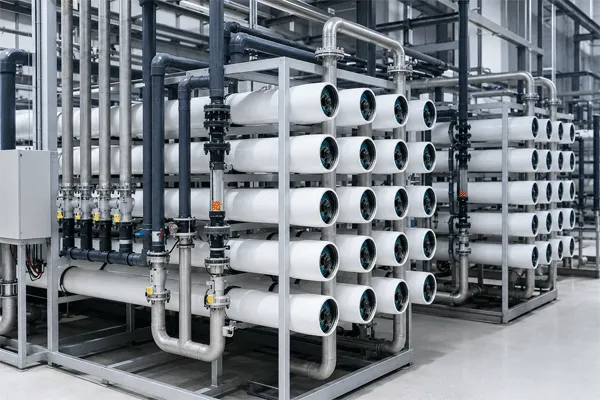
يتألف نظام التناضح العكسي عادةً من عدة أجزاء: مرشح للرواسب، ومرشح كربوني، وغشاء التناضح العكسي، وخزان تخزين، وأحيانًا مرشح كربوني لاحق أو مرشح لإعادة التمعدن. يعمل مرشح الرواسب على احتجاز الرمل والصدأ والجزيئات الأكبر حجمًا. أما المرشح الكربوني فيساعد على تقليل الكلور والرائحة الكريهة. ويقوم الغشاء بعملية الفصل الرئيسية.
بصفتنا شركة متخصصة في تصنيع أغشية التناضح العكسي (RO) وأجهزة التناضح العكسي الصغيرة ومحطات معالجة المياه النقية وأنظمة المياه الغشائية المتكاملة، غالبًا ما نوضح الأمر على النحو التالي: التناضح العكسي ليس سحرًا. إنه عملية فصل محكومة. فالتصميم الجيد للنظام، والمعالجة المسبقة الصحيحة، والضغط المستقر، واستبدال المرشحات بانتظام، كلها عوامل تؤثر على جودة المياه النهائية.
هل مياه التناضح العكسي آمنة للكلى؟
بالنسبة لمعظم الأشخاص الذين يتمتعون بكلى سليمة، يُعد شرب مياه التناضح العكسي (RO) آمنًا. فالكلية تؤدي بالفعل وظيفة طبيعية قوية: فهي تساعد في تحقيق التوازن بين الماء والأملاح والفضلات في الجسم. والنقطة الأساسية ليست أن الماء يجب أن يحتوي على الكثير من المعادن، بل أن مياه الشرب يجب أن تكون نظيفة ومستقرة ومناسبة للاستهلاك اليومي.
يدعم الماء وظائف الكلى من خلال مساعدة الجسم على إنتاج البول والتخلص من الفضلات. توضح المؤسسة الوطنية للكلى أن الماء يساعد الكلى على إزالة الفضلات من الدم، كما يساعد الأوعية الدموية على البقاء مفتوحة حتى تتمكن العناصر الغذائية من الوصول إلى الكلى. وقد يؤدي الجفاف الشديد إلى الإضرار بصحة الكلى، خاصةً أثناء الطقس الحار أو ممارسة التمارين الرياضية الشاقة.
إذن، هل مياه التناضح العكسي آمنة للكلى؟ في الاستخدام اليومي العادي، نعم. لكن هناك ملاحظة مهمة واحدة: مياه التناضح العكسي تحتوي على نسبة منخفضة من المعادن. وعادةً ما يستطيع الأشخاص الأصحاء الحصول على الكالسيوم والمغنيسيوم من الطعام. أما الأشخاص الذين يعانون من حالات صحية معينة، فينبغي عليهم استشارة الطبيب بشأن أفضل أنواع مياه الشرب والكمية المناسبة من المعادن التي ينبغي عليهم تناولها.
كيف يدعم الماء وظائف الكلى يوميًا؟
تقوم الكليتان بتنظيم توازن السوائل والأملاح والمخلفات. وهي تعمل طوال اليوم، كل يوم. وتساعد مياه الشرب النظيفة في هذه العملية من خلال الحفاظ على تدفق البول ومساعدة الجسم على تجنب الجفاف. ولهذا السبب، فإن الأداء السليم للكليتين لا يعتمد فقط على نوع الماء، بل يعتمد أيضًا على تناول كمية كافية منه.
عندما لا تشرب كمية كافية من السوائل، يصبح البول أكثر تركيزًا. وقد يؤدي ذلك إلى زيادة خطر تكوّن حصوات الكلى لدى بعض الأشخاص. ويشير المعهد الوطني للسكري وأمراض الجهاز الهضمي والكلى (NIDDK) إلى أن شرب كمية كافية من السوائل، ولا سيما الماء، يُعدّ إحدى أهم الخطوات للوقاية من حصوات الكلى، ما لم يكن الشخص مصابًا بفشل كلوي أو لديه سبب آخر يستدعي الحد من تناول السوائل.
إليك الفكرة البسيطة:
| احتياجات الجسم |
كيف تساعد المياه |
لماذا يُعد ذلك مهمًا لصحة الكلى |
| إزالة النفايات |
يساعد في تكوين البول |
يدعم وظائف الكلى |
| تدفق الدم |
يساعد على تدفق الدم عبر الأوعية الدموية |
تصل العناصر الغذائية إلى الكلى |
| الوقاية من حصوات الكلى |
يخفف البول |
قد يقلل من خطر الإصابة بحصوات الكلى |
| التحكم في درجة الحرارة |
يساعد على الوقاية من الجفاف |
يحافظ على الصحة العامة |
يحافظ الماء على صحة الكلى على أفضل وجه عندما يكون آمنًا ومتسقًا ويتم تناوله بالكمية المناسبة.
هل مياه التناضح العكسي آمنة للكلى؟ نصائح حول مياه التناضح العكسي لصحة الكلى
هل يمكن أن يساعد شرب مياه التناضح العكسي في تقليل خطر الإصابة بحصوات الكلى؟
لا “تعالج” مياه التناضح العكسي حصوات الكلى. كما أنها لا تضمن الوقاية منها. لكن شرب مياه التناضح العكسي يمكن أن يكون جزءًا من خطة ترطيب صحية، شريطة أن تكون المياه نظيفة وأن يشرب الشخص كمية كافية منها.
يمكن أن تتشكل حصوات الكلى عندما ترتفع نسبة تركيز المعادن والأملاح في البول بشكل مفرط. وبالنسبة للكثير من الناس، فإن زيادة تناول السوائل تساعد على تخفيف البول. ويشير المعهد الوطني للسكري وأمراض الجهاز الهضمي والكلى (NIDDK) إلى أن شرب كمية كافية من السوائل غالبًا ما يكون أفضل وسيلة للمساعدة في الوقاية من معظم أنواع حصوات الكلى.
قد يكون استخدام مياه التناضح العكسي مفيدًا أيضًا في المناطق التي تتسم بصلابة المياه أو رداءة جودتها. فالمياه الصلبة تحتوي على مستويات أعلى من الكالسيوم والمغنيسيوم. وهذه المعادن ليست ضارة دائمًا، ولكن في بعض المناطق، قد تحتوي المياه أيضًا على مواد أخرى غير مرغوب فيها. ويمكن لمرشح مياه التناضح العكسي المصمم بشكل سليم أن يقلل من العديد من المواد المذابة ويحسن جودة المياه التي نستهلكها.
ملاحظة عملية: يجب على الأشخاص الذين لديهم تاريخ من مشاكل حصوات الكلى ألا يعتمدوا على مرشح المياه وحده. فقد يحتاجون إلى إجراء فحوصات للبول، أو إجراء تغييرات في النظام الغذائي، أو تقليل تناول الصوديوم، أو تلقي علاج طبي. ويعتمد خطر تكوّن حصوات الكلى على عوامل عديدة.
هل يزيل التناضح العكسي المعادن المفيدة من الماء؟
نعم. التناضح العكسي يقلل من تركيز العديد من المواد المذابة، بما في ذلك الكالسيوم والمغنيسيوم. ولهذا السبب غالبًا ما يكون مذاق مياه التناضح العكسي “أخف” من مياه الصنبور أو المياه المعدنية. وهذا أيضًا هو السبب الذي يجعل بعض الناس يتساءلون عما إذا كانت مياه التناضح العكسي «خالية» جدًّا أو «نقية» جدًّا.
قامت منظمة الصحة العالمية بمراجعة المخاوف المتعلقة بمياه الشرب التي تم تعديلها لإزالة المعادن منها أو إضافتها إليها. ويتناول منشورها حول العناصر الغذائية في مياه الشرب الاستخدام طويل الأمد للمياه منزوعة المعادن والحاجة المحتملة إلى إعادة تكوين المعادن.
بالنسبة لمعظم الأشخاص الأصحاء، لا يمثل هذا مشكلة كبيرة لأن الطعام يوفر معظم المعادن. فالحليب والخضروات والبقوليات والمكسرات والأسماك والعديد من الحبوب يمكن أن توفر الكالسيوم والمغنيسيوم. ومع ذلك، إذا أراد العميل مذاقًا أفضل وتركيبة معدنية أكثر توازنًا، فإننا نوصي غالبًا بإضافة مرشح لإعادة التمعدن بعد غشاء التناضح العكسي. وهذا يعيد المعادن إلى الماء ويمكن أن يحسّن المذاق.
هل يُشكل الماء منزوع المعادن مصدر قلق بالنسبة لصحة الكلى على المدى الطويل؟
المياه منزوعة المعادن هي المياه التي تحتوي على نسبة منخفضة جدًّا من المعادن. ويمكن أن تندرج ضمن هذه الفئة المياه المعالجة بتقنية التناضح العكسي (RO) والمياه المقطرة وبعض أنواع المياه المحلاة. ولا يكمن القلق في أن كوبًا واحدًا منها قد يكون ضارًّا، بل في الاستخدام طويل الأمد عندما يكون النظام الغذائي بأكمله منخفضًا أيضًا في المعادن.
يُعد الكالسيوم والمغنيسيوم عنصرين مهمين للجسم. فهما يدعمان صحة العضلات والأعصاب والعظام والقلب. ولا يُعد شرب الماء المصدر الرئيسي لهذين العنصرين بالنسبة لمعظم الناس، ولكنه يمكن أن يساهم بكمية ضئيلة منهما. لذا، عندما تحتوي المياه على نسبة منخفضة جدًّا من المعادن، تزداد أهمية النظام الغذائي.
إليكم مقارنة بسيطة:
| نوع المياه |
مستوى المعادن |
شاغل مشترك |
الاستخدام المناسب |
| مياه الصنبور |
من الأقل إلى الأعلى |
قد تحتوي على الكلور أو مواد تسبب الصلابة أو ملوثات محلية |
الاستخدام اليومي إذا ثبتت سلامته |
| مياه التناضح العكسي |
منخفض جدًّا |
نسبة منخفضة من المعادن، طعم باهت |
الاستخدام اليومي مع اتباع نظام غذائي سليم أو إعادة التمعدن |
| المياه المعدنية |
متوسطة إلى عالية |
التكلفة، هدر المياه المعبأة في زجاجات |
استخدام من حين لآخر أو يومي، إذا كان ذلك مناسبًا |
| الماء المقطر |
منخفض جدًّا |
طعمه باهت جدًّا، ولا يحتوي على أي معادن |
استخدامات خاصة، لا تُفضل دائمًا في الحياة اليومية |
في هندسة معالجة المياه، لا نعتبر المياه منخفضة المحتوى المعدني سيئة بالضرورة. بل ننظر إليها على أنها خيار تصميمي. وينبغي أن يتوافق النظام المناسب مع مياه الشبكة المحلية، وجودة مياه المصدر، واحتياجات المستخدمين الصحية، وتوقعاتهم النهائية فيما يتعلق بالمذاق.
متى ينبغي على المصابين بأمراض الكلى استشارة الطبيب أولاً؟
يجب على الأشخاص المصابين بأمراض الكلى توخي مزيد من الحذر. فالمسألة لا تقتصر على مياه التناضح العكسي فحسب، بل تشمل النظام الغذائي الكامل، والحد الأقصى المسموح به من السوائل، والصوديوم، والبوتاسيوم، والفوسفور، والأدوية، ومرحلة المرض. وينصح المعهد الوطني للسكري وأمراض الجهاز الهضمي والكلى (NIDDK) البالغين المصابين بأمراض الكلى المزمنة باختيار الأطعمة والمشروبات بعناية والحد من بعض العناصر الغذائية عند الضرورة.
إذا لم تعمل الكلى بشكل سليم، فقد لا يتمكن الجسم من تحقيق التوازن الطبيعي بين السوائل والمعادن. وقد يحتاج بعض المصابين بمرض الكلى المزمن إلى الحد من تناول الماء، بينما قد يحتاج آخرون إلى التحكم في مستويات البوتاسيوم أو الفوسفور. ولهذا السبب، لا ينبغي أن تحل أي مقالة مدونة محل المشورة الطبية.
يجب على الأشخاص استشارة الطبيب أو أخصائي التغذية المتخصص في أمراض الكلى إذا كانوا يعانون من:
- مرض الكلى المزمن
- الفشل الكلوي
- تاريخ من المشاكل المتكررة المتعلقة بحصوات الكلى
- قصور القلب أو تقييد تناول السوائل
- بعض الحالات الصحية التي تؤثر على توازن الماء أو المعادن
- نظام غذائي خاص موصوف من قبل أخصائي طبي
قد تظل مياه التناضح العكسي آمنة بالنسبة للعديد من هؤلاء الأشخاص، لكن الخيار الأفضل يعتمد على حالتهم الصحية.
كيف تقارن مياه التناضح العكسي (RO) بمياه الصنبور والمياه المعبأة والمياه المعدنية؟
تختلف جودة مياه الصنبور باختلاف المدينة وحالة الأنابيب والمبنى والمصدر. قد تخضع مياه البلدية للمعالجة والفحص، لكن بعض المستخدمين ما زالوا يكرهون طعم الكلور أو رائحته أو صلابة المياه، أو يشعرون بالقلق إزاء الأنابيب القديمة. وفي المجمعات الصناعية والفنادق والمزارع والمصانع، قد تختلف المياه الواردة أيضًا حسب الموسم.
تُعد المياه المعبأة في زجاجات خيارًا مريحًا، لكنها تنطوي على تكاليف تخزين ونقل، فضلاً عن توليد نفايات بلاستيكية. وقد يكون مذاق المياه المعدنية جيدًا، لكن المحتوى المعدني ليس ضروريًا دائمًا لكل شخص. كما أنها قد تكون باهظة الثمن للاستخدام اليومي في المكاتب أو الفنادق أو المدارس أو مواقع الإنتاج.
توفر تقنية التناضح العكسي (RO) مزيدًا من التحكم. يمكن لنظام التناضح العكسي المصمم بشكل سليم أن يزيل العديد من الملوثات من المياه ويوفر مياهًا مفلترة ثابتة الجودة للمنازل والمباني التجارية ومصانع الأغذية والمشروبات ومصانع الأدوية وورش الإلكترونيات وأنظمة المياه النقية.
مخطط قرار بسيط
| الوضع |
أفضل إخراج |
| طعم سيئ، أو رائحة كريهة، أو ارتفاع مستوى المواد الصلبة الذائبة (TDS) |
فكر في استخدام نظام التناضح العكسي |
| الحاجة إلى جودة مياه مستقرة |
استخدام التناضح العكسي مع المراقبة |
| هل ترغب في الحصول على مذاق أفضل بعد عملية التناضح العكسي؟ |
إضافة مرشح لإعادة التمعدن |
| يعاني من مرض في الكلى |
استشر الطبيب أولاً |
| هناك حاجة إلى مياه صناعية نقية |
استخدام نظام التناضح العكسي (RO) المُصمم هندسيًّا مع المعالجة المسبقة |
| نحتاج إلى مياه فائقة النقاء |
استخدام نظام التناضح العكسي (RO) + التناضح الكهربائي (EDI) + نظام الصقل |
وهنا تكمن أهمية الهندسة. فمرشح مياه التناضح العكسي المنزلي الصغير ومحطة التناضح العكسي الصناعية ليسا متشابهين. كلاهما يستخدمان تقنية التناضح العكسي، لكن التصميم والمعالجة المسبقة والأتمتة والرصد تختلف اختلافًا كبيرًا.
هل مياه التناضح العكسي آمنة للكلى؟ نصائح حول مياه التناضح العكسي لصحة الكلى
ما هو تصميم نظام التناضح العكسي الذي يجعل المياه آمنة وممتعة للشرب؟
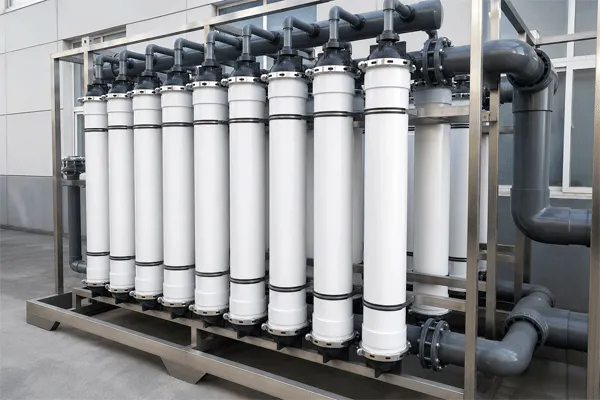
لا ينبغي أن يقتصر دور نظام التناضح العكسي الجيد على إنتاج المياه النقية فحسب، بل يجب أن ينتج مياه شرب مستقرة وآمنة وذات مذاق لطيف. وبالنسبة للاستخدام المنزلي والتجاري، يجب أن تتناسب مراحل الترشيح مع خصائص مياه المصدر. أما بالنسبة لمعالجة المياه الصناعية، فقد يشمل التصميم الكامل الترشيح بالرمل، والكربون المنشط، وتليين المياه، والجرعات، والترشيح الفائق، والتناضح العكسي (RO)، والتحليل الكهربائي (EDI)، والأشعة فوق البنفسجية (UV)، والتحكم بواسطة PLC أو SCADA.
بالنسبة لشرب مياه التناضح العكسي، تشمل الميزات التصميمية الأكثر فائدة ما يلي:
- مرشح الرواسب لحماية الغشاء
- مرشح كربوني لتقليل الكلور والرائحة الكريهة
- غشاء التناضح العكسي عالي الجودة لضمان فصل مستقر
- مرشح ما بعد الكربون لتحسين المذاق
- مرشح إعادة التمعدن عند الرغبة في الحصول على طعم معدني
- جهاز قياس TDS أو جهاز مراقبة جودة المياه لتسهيل عملية الفحص
- خطة صيانة دورية لتجنب استخدام المرشحات القديمة
صُممت أنظمة التناضح العكسي لتقليل المواد المذابة غير المرغوب فيها، ولكنها تتطلب صيانة دورية. فقد يؤدي عدم استبدال الفلتر في الوقت المناسب إلى انخفاض الأداء. وفي أنظمة المياه التي توفرها شركة EPC، نقدم أيضًا وثائق فنية واضحة، وتوريد قطع الغيار، ودعم التشغيل، وإرشادات التشغيل؛ لأن النتائج المستقرة تعتمد على كل من المعدات والصيانة.
ما هي الأمور العملية RO نصائح للحفاظ على صحة الكلى؟
فيما يلي بعض النصائح المفيدة المتعلقة بغسيل الكلى (RO) للحفاظ على صحة الكلى، وهي نصائح يسهل اتباعها.
أولاً، اشرب كمية كافية من الماء تتناسب مع جسمك والمناخ ومستوى نشاطك. لا تنتظر حتى تشعر بالعطش الشديد. إذا كنت تعمل في الهواء الطلق، أو تمارس الرياضة، أو تعيش في منطقة حارة، فقد تكون احتياجاتك من الماء أعلى. ولكن إذا كنت تعاني من مرض في الكلى أو القلب، أو إذا كانت هناك قيود على تناول السوائل، فاتبع نصيحة طبيبك.
ثانياً، لا تعتمد على الماء كمصدر وحيد للمعادن. اتبع نظاماً غذائياً متوازناً يحتوي على كمية كافية من الكالسيوم والمغنيسيوم، ما لم ينصحك طبيبك بخلاف ذلك. إذا كان طعم مياه التناضح العكسي (RO) باهتاً للغاية، فاستخدم مرشحاً لإعادة التمعدن أو اخلط بين مصادر المعادن الموجودة في طعامك.
ثالثًا، قم بفحص المياه كلما أمكن ذلك. فقد تؤثر رداءة جودة المياه على المذاق وعمر المعدات، فضلاً عن المخاطر الصحية المحتملة. وفي المناطق التي تعاني من رداءة جودة المياه، قد يساعد استخدام نظام التناضح العكسي في جعل مياه الشرب أكثر أمانًا وثباتًا في الجودة.
رابعاً،, استبدال المرشحات وفقًا للجدول الزمني المحدد. يعمل مرشح المياه على إزالة الجسيمات ويساعد في حماية غشاء التناضح العكسي، إلا أن له عمرًا تشغيليًّا محددًا. وتضمن الصيانة الجيدة سلامة المياه، وتحمي نظام التناضح العكسي، وتدعم الأداء على المدى الطويل.
دراسة حالة: لماذا تُعد جودة المياه عاملاً مهمًا في المشاريع الفعلية
في العديد من المشاريع الصناعية والبلدية، لا يقتصر السؤال على “هل مياه التناضح العكسي آمنة؟” فحسب، بل إن السؤال الأهم هو: “هل يمكن لهذا النظام المائي أن يوفر جودة ثابتة يوميًا؟” وبالنسبة لمقاولي EPC والمصانع والفنادق ومحطات معالجة مياه الصرف الصحي البلدية، فإن عدم استقرار جودة المياه يمكن أن يؤثر على الصحة والإنتاج والامتثال لمعايير التصريف وتكاليف التشغيل.
على سبيل المثال، قد يحتاج مصنع للأغذية والمشروبات إلى مياه التناضح العكسي (RO) لاستخدامها في تحضير المكونات، أو لتغذية الغلايات، أو لغسل الزجاجات، أو كمياه عملية. قد تحتاج شركة أدوية إلى وحدات التناضح العكسي (RO) بالإضافة إلى وحدات التناضح الكهربائي (EDI) للحصول على مياه عالية النقاء. وقد يحتاج مصنع المنسوجات إلى إعادة استخدام المياه لتقليل تصريف مياه الصرف. وفي كل حالة، يجب تصميم نظام التناضح العكسي بناءً على تقرير مصدر المياه، ومعدل التدفق، ومعدل الاسترداد، ونوع الغشاء، وخطة التنظيف، ومستوى الأتمتة.
ولهذا السبب نقدم حلولاً مخصصة لمعالجة المياه، بما في ذلك أغشية MBR ذات الألياف المجوفة، وأغشية الترشيح الفائق (UF) ذات الألياف المجوفة، وأغشية MBR المسطحة، وأغشية التناضح العكسي (RO)، ووحدات التناضح الكهربائي (EDI)، وآلات التناضح العكسي الصغيرة، والأنظمة المركبة على منصات متحركة، ومحطات المعالجة المعبأة في حاويات، ومشاريع EPC الكاملة لمعالجة المياه. وعندما يتم تصميم نظام معالجة المياه بشكل جيد، فإن النظام يمكنه تعزيز الأداء وثقة المستخدمين على حد سواء.
الأسئلة الشائعة حول مياه التناضح العكسي وصحة الكلى
هل مياه التناضح العكسي آمنة للشرب يوميًا؟
نعم، يُعد ماء التناضح العكسي (RO) آمنًا بشكل عام للشرب يوميًا للأشخاص الذين يتمتعون بصحة جيدة في الكلى. ويحتوي هذا الماء على نسبة منخفضة من المعادن، لذا ينبغي عليك الحصول على المعادن من الطعام أو التفكير في استخدام مرشح لإعادة التمعدن إذا لزم الأمر.
هل يمكن أن تتسبب مياه التناضح العكسي في تلف الكلى؟
لا توجد أدلة قوية على أن شرب مياه التناضح العكسي بكميات عادية يضر بالكلى السليمة. أما المخاوف الأكبر فتتمثل في الجفاف، وسوء التغذية، وأمراض الكلى غير المعالجة، أو شرب مياه تحتوي على ملوثات ضارة.
هل مياه التناضح العكسي أفضل من مياه الصنبور؟
يعتمد ذلك على مياه الصنبور. فإذا كانت مياه الصنبور ذات مذاق سيئ، أو تحتوي على نسبة عالية من المواد الصلبة الذائبة، أو تعاني من الصلابة، أو تحتوي على ملوثات محتملة، فإن التناضح العكسي قد يحسّن جودة المياه. أما إذا كانت مياه الصنبور آمنة بالفعل وذات مذاق جيد، فقد يكون التناضح العكسي اختيارياً.
هل تسبب مياه التناضح العكسي حصوات الكلى؟
لا تتسبب مياه التناضح العكسي (RO) بحد ذاتها بشكل مباشر في الإصابة بحصوات الكلى. فقد يسهم انخفاض تناول السوائل، وارتفاع تناول الصوديوم، وأنماط غذائية معينة، والعوامل الوراثية، والعوامل الطبية في زيادة خطر الإصابة بحصوات الكلى. وغالبًا ما يكون شرب كمية كافية من الماء أكثر أهمية.
هل ينبغي لمرضى الكلى المزمنة شرب مياه التناضح العكسي؟
يجب على الأشخاص المصابين بمرض الكلى المزمن استشارة الطبيب أو أخصائي التغذية المتخصص في أمراض الكلى. قد تكون المياه المعالجة بالتناضح العكسي (RO) مناسبة، لكن بعض الأشخاص يحتاجون إلى تقييد كمية السوائل أو مراقبة خاصة لمستويات المعادن.
هل أحتاج إلى مرشح لإعادة التمعدن بعد نظام التناضح العكسي؟
ليس دائمًا. لكن مرشح إعادة التمعدن يمكنه تحسين المذاق وإعادة إضافة الكالسيوم والمغنيسيوم إلى الماء. وهو خيار جيد للأشخاص الذين لا يحبون المذاق الباهت لمياه التناضح العكسي.
أمور أساسية يجب تذكرها
- تعتبر مياه التناضح العكسي آمنة بشكل عام للأشخاص الذين يتمتعون بصحة الكلى.
- يمكن أن تقلل تقنية التناضح العكسي (RO) من العديد من المواد الصلبة المذابة والملوثات الموجودة في مياه الشرب.
- تحتاج الكلى إلى كمية كافية من الماء للمساعدة في التخلص من الفضلات ودعم الأداء السليم للكلى.
- تحتوي مياه التناضح العكسي (RO) على نسبة منخفضة من الكالسيوم والمغنيسيوم، لذا فإن النظام الغذائي مهم.
- يمكن لمرشح إعادة التمعدن تحسين المذاق وإعادة إضافة المعادن.
- يجب على الأشخاص الذين يعانون من أمراض الكلى أو الفشل الكلوي أو حالات صحية خاصة استشارة الطبيب أولاً.
- قد يساعد شرب كمية كافية من الماء في تقليل خطر الإصابة بحصوات الكلى، لكنه ليس العامل الوحيد.
- يحتاج نظام التناضح العكسي الجيد إلى تصميم سليم، وفلاتر عالية الجودة، وصيانة دورية.
- بالنسبة للمشاريع الصناعية والبلدية والتجارية، تعتمد جودة المياه المستقرة على الهندسة، وليس على المعدات فحسب.
- الخيار الأكثر أمانًا هو المياه النظيفة، والصيانة الجيدة للنظام، والتغذية المتوازنة، والاستشارة المهنية عند وجود مخاطر صحية.











 18:13
18:13