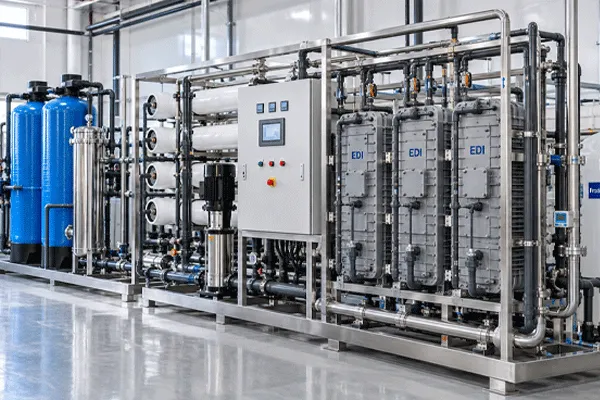
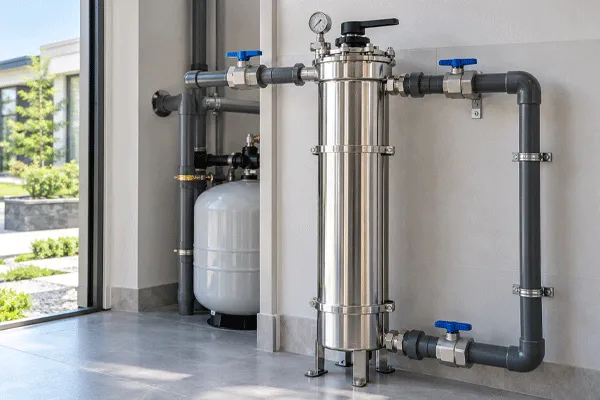
In the dynamic landscape of modern water treatment, Membrane Bioreactor (MBR) technology stands out for its efficiency and stability, progressively replacing conventional wastewater treatment processes. Among its various forms, Hollow Fiber MBR membranes have emerged as a pivotal component, driving advancements in achieving stringent effluent standards and facilitating water recycling.
Understanding Hollow Fiber MBR Technology
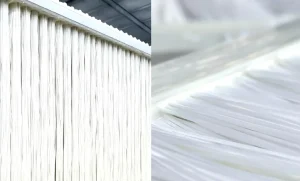
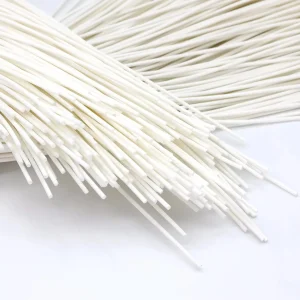
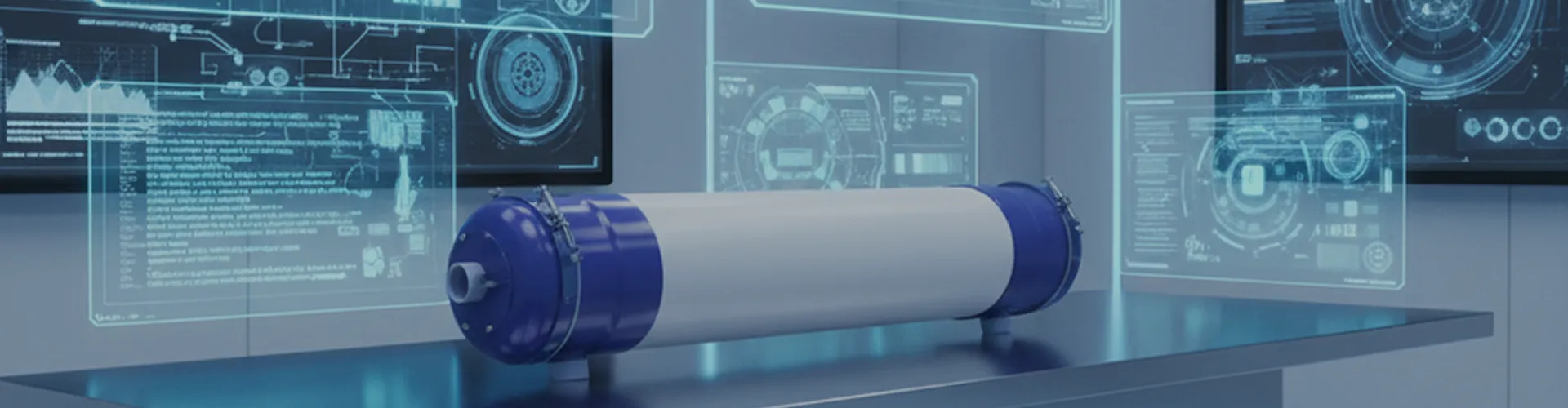
Hollow Fiber MBR is an innovative wastewater treatment system that integrates membrane separation with biological treatment. It employs microporous membranes for solid-liquid separation of activated sludge, effectively replacing the secondary clarifier found in traditional systems. The distinctive feature of hollow fiber membranes lies in their tubular structure: the fibers are hollow, allowing wastewater to flow from the outside, through the membrane, and emerge as clean water from the inside. This design significantly maximizes the membrane surface area within a given volume, thereby enhancing treatment efficiency and compactness.
Key Advantages of Hollow Fiber MBR Membranes
The adoption of Hollow Fiber MBR membranes brings forth a multitude of benefits for wastewater treatment:
1 Superior Effluent Quality: The precise filtration capability of the membrane effectively removes suspended solids, bacteria, viruses, and other pollutants. The treated water quality consistently surpasses that of conventional methods, making it suitable for direct reuse or further advanced treatment.
2 Reduced Footprint: Efficient solid-liquid separation allows for higher activated sludge concentrations, which in turn reduces the required volume of biological reactors. This can lead to a reduction in system footprint by over 50% compared to traditional plants.
3 Lower Sludge Production: High sludge concentrations and extended sludge retention times contribute to lower excess sludge production, significantly cutting down on sludge disposal costs.
4 Enhanced Operational Stability: Hollow fiber membranes exhibit robust resistance to fouling and clogging, ensuring stable operation and a longer lifespan. They also offer excellent resistance to shock loads, maintaining performance even under fluctuating influent conditions.
5 Automated and User-Friendly Operation: These systems are typically highly automated, simplifying operation and maintenance. Their modular design also facilitates easier expansion and upgrades.
Diverse Application Scenarios
Hollow Fiber MBR technology is broadly applied across various wastewater treatment projects, demonstrating its versatility and effectiveness:
• Municipal Wastewater Treatment: Upgrading existing municipal wastewater treatment plants to meet stricter discharge regulations, or for new facilities where land availability is limited.
• Industrial Wastewater Treatment: Treating complex industrial effluents from sectors such as textile dyeing, food processing, pharmaceuticals, and chemicals, enabling compliance with discharge standards or facilitating water reuse.
• Decentralized Wastewater Treatment: Modular and integrated MBR units are ideally suited for decentralized applications in rural areas, hotels, resorts, and residential communities, offering efficient and reliable solutions where centralized infrastructure is impractical.
• Water Reclamation and Reuse: Producing high-quality reclaimed water for irrigation, industrial processes, or even potable reuse, addressing water scarcity challenges.

Hollow Fiber MBR Membranes: Revolutionizing Wastewater Treatment
Explore Our Solutions
If you are interested in the transformative potential of Hollow Fiber MBR membrane technology, we invite you to visit our MBR Product Page for more detailed information on our offerings. Additionally, explore our comprehensive Wastewater Treatment Solutions and a full range of Water Treatment Technical Services to discover how we can meet your specific project needs.











 14:40
14:40