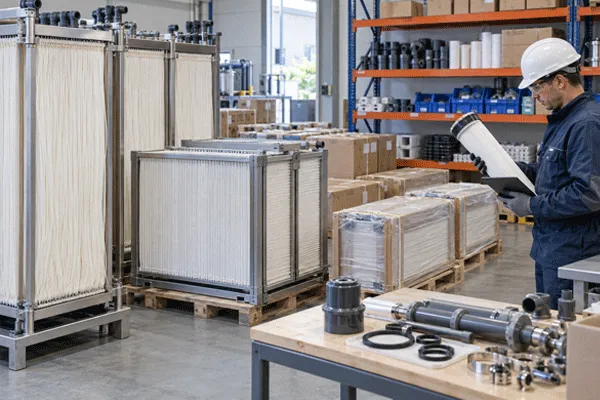
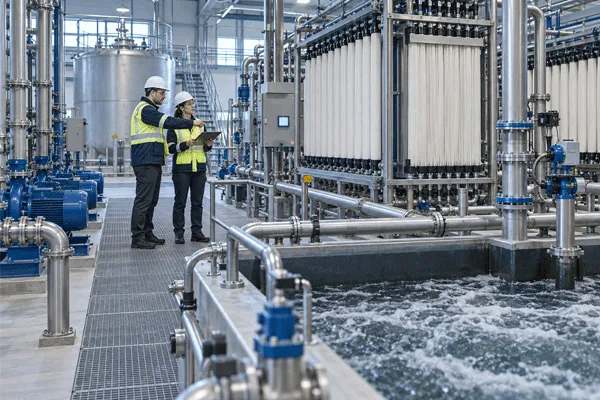
Wastewater pollution, strict discharge standards, and increasing water scarcity are creating challenges for industries and communities worldwide. Traditional wastewater treatment methods may struggle with limited space, unstable effluent quality, and increasing reuse requirements. Without reliable solutions, businesses face higher operating costs and environmental risks.
MBR technology is used for advanced wastewater treatment by combining biological treatment and membrane filtration in one integrated system. A membrane bioreactor (MBR) removes organic pollutants, suspended solids, and microorganisms from wastewater, producing high-quality treated water suitable for discharge or water reuse applications.
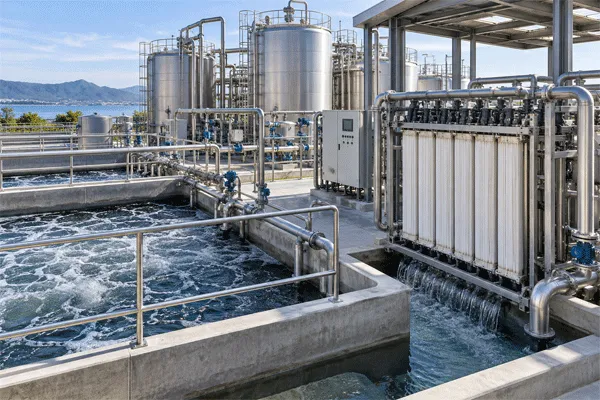
What Is MBR Technology Used For? A Complete Guide to Membrane Bioreactor Wastewater Treatment
Article Outline
- What Is MBR Technology Used For in Wastewater Treatment?
- How Does a Membrane Bioreactor Work?
- Why Are Membrane Bioreactors Important for Modern Wastewater Treatment?
- What Are the Advantages of Membrane Bioreactors Compared with Traditional Treatment?
- What Types of Membrane Are Used in MBR Systems?
- What Are the Main Applications of Membrane Bioreactors?
- How Does Membrane Filtration Improve Water Quality?
- How to Choose the Right MBR System for a Treatment Plant?
- What Are the Challenges of MBR Wastewater Treatment and How Can They Be Solved?
- Why Choose a Professional MBR Solution Provider?
What Is MBR Technology Used For in Wastewater Treatment?
MBR technology is mainly used for treating municipal wastewater, industrial wastewater, and complex wastewater streams where high-quality effluent is required. By integrating biological treatment with membrane filtration, a membrane bioreactor provides a more compact and efficient alternative to conventional wastewater treatment systems.
Unlike traditional activated sludge systems that depend on sedimentation tanks to separate biomass from water, an MBR system uses a membrane to physically separate treated water from microorganisms. This allows the biomass concentration inside the bioreactor to remain higher, improving treatment efficiency.
Today, MBR wastewater treatment is widely applied in:
- Municipal wastewater treatment plants
- Industrial wastewater treatment plants
- Food and beverage factories
- Pharmaceutical manufacturing facilities
- Textile and dyeing industries
- Chemical processing plants
- Hotels and commercial buildings
- Water reuse projects
- Decentralized wastewater treatment plants
As a professional manufacturer of water and wastewater treatment systems, we provide customized MBR solutions based on different feed water characteristics, capacity requirements, discharge standards, and reuse goals. Our solutions include hollow fiber MBR membranes, flat sheet MBR membranes, integrated treatment systems, containerized plants, and complete EPC water treatment projects.
How Does a Membrane Bioreactor Work?
A membrane bioreactor combines two key technologies:
- Biological treatment
- Membrane filtration
During the treatment process, microorganisms inside the bioreactor consume organic pollutants present in the wastewater. This biological treatment stage is similar to the activated sludge process used in conventional wastewater treatment.
After biological treatment, the wastewater passes through a membrane module. The membrane acts as a physical barrier that removes suspended solids, bacteria, and other contaminants.
A typical MBR process includes:
| Treatment Stage |
Main Function |
| Pretreatment |
Removes large particles and protects the membrane |
| Biological reactor |
Uses microorganisms to degrade pollutants |
| Membrane filtration |
Separates treated water from biomass |
| Disinfection / polishing |
Improves final water quality when required |
| Water reuse or discharge |
Provides clean water for applications |
The most common MBR systems use submerged membranes installed directly inside the bioreactor. This design reduces footprint and simplifies operation.
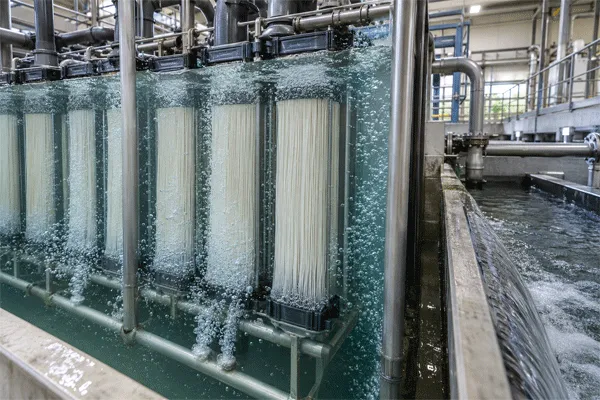
A submerged membrane bioreactor allows continuous filtration while maintaining a high concentration of activated sludge. Air scouring is usually applied near the membrane surface to reduce membrane fouling and maintain stable operation.
Why Are Membrane Bioreactors Important for Modern Wastewater Treatment?
Global water challenges are increasing. Many industries and cities need reliable solutions that not only remove pollutants but also support water reuse and sustainable water management.
Traditional wastewater treatment often requires large settling tanks and additional polishing steps. In comparison, membrane bioreactor technology provides:
- Higher treatment efficiency
- Smaller installation footprint
- Better removal of suspended solids
- Stable effluent quality
- Improved ability to reuse treated water
For industries facing strict environmental regulations, MBR wastewater treatment provides a practical solution for meeting discharge requirements while reducing environmental impact.
For example, a food processing factory may generate wastewater with high organic loads. A properly designed MBR system can treat this wastewater and produce high-quality treated water suitable for reuse in cleaning processes or landscape irrigation.
Our engineering team evaluates:
- Wastewater characteristics
- Daily flow rate
- COD/BOD concentration
- Required discharge standards
- Available installation space
- Future expansion plans
Then we develop a customized treatment system that matches the customer’s project needs.
What Are the Advantages of Membrane Bioreactors Compared with Traditional Treatment?
The advantages of membrane bioreactors come from combining biological treatment and membrane filtration in one compact process.
1. High-quality treated water
Because the membrane physically separates solids and microorganisms, MBR effluent usually has very low suspended solids and excellent clarity.
This makes MBR suitable for projects requiring:
- Industrial water reuse
- Landscape irrigation
- Process water recovery
- Advanced wastewater treatment
2. Compact system design
Space is a major challenge for many projects. Industrial facilities and urban areas often have limited land availability.
Compared with conventional wastewater treatment systems, MBR systems require less space because they eliminate large secondary clarification tanks.
3. Stable operation
The membrane maintains separation performance even when wastewater conditions change.
This provides more stable water quality compared with traditional wastewater treatment methods.
4. Better automation capability
Modern MBR systems can integrate:
- PLC control
- Automatic membrane cleaning
- Online monitoring
- SCADA management
- Remote operation
This reduces manual operation requirements and improves long-term reliability.
| Feature |
Traditional Treatment |
MBR System |
| Footprint |
Larger |
Compact |
| Effluent quality |
Variable |
Stable |
| Suspended solids removal |
Depends on settling |
Excellent membrane separation |
| Water reuse capability |
Limited |
High |
| Automation level |
Medium |
Advanced |
What Is MBR Technology Used For? A Complete Guide to Membrane Bioreactor Wastewater Treatment
What Types of Membrane Are Used in MBR Systems?
Different membrane materials and designs are used according to project requirements. The selection of membrane type directly affects treatment performance, energy consumption, and maintenance requirements.
Common membrane types include:
Hollow Fiber MBR Membrane
Hollow fiber membranes are widely used because they provide a large filtration area in a compact module.
Advantages include:
- High packing density
- Efficient filtration
- Flexible installation
- Suitable for municipal and industrial applications
Flat Sheet MBR Membrane
Flat sheet membranes use plate-style structures and are known for mechanical strength and stable operation.
They are often selected for applications requiring:
- Long service life
- Easy maintenance
- Strong resistance to operating conditions
Ultrafiltration Membrane
An ultrafiltration membrane can also be used in advanced water treatment applications where fine separation is required.
The choice between different types of membrane depends on:
- Wastewater characteristics
- Required water quality
- Flow capacity
- Operating conditions
- Maintenance strategy
As an engineering-oriented supplier, we provide different membrane solutions, including hollow fiber MBR membranes, flat membrane systems, and customized membrane modules according to customer requirements.
What Are the Main Applications of Membrane Bioreactors?
The applications of membrane bioreactors continue to expand because modern industries and municipalities require more reliable wastewater treatment, smaller installation areas, and higher-quality treated water. Compared with conventional wastewater treatment methods, MBR technology provides greater flexibility for projects where environmental regulations and water reuse requirements are becoming stricter.
Today, membrane bioreactors for wastewater treatment are widely used in both municipal and industrial projects.
1. Municipal Wastewater Treatment
Municipal wastewater treatment is one of the most common applications of MBR systems. Cities, residential communities, and public facilities need stable solutions to manage increasing wastewater volumes.
An MBR system can effectively remove:
- Organic pollutants
- Suspended solids
- Bacteria
- Fine particles
- Some difficult-to-remove contaminants
For urban areas with limited land availability, compact MBR treatment plants are especially valuable because they require less space than traditional treatment plants.
Many decentralized wastewater treatment plants also use MBR technology because modular systems can be installed close to the wastewater source, reducing pipeline construction costs.
2. Industrial Wastewater Treatment
Industrial wastewater often contains complex pollutants that require customized treatment solutions.
Industries such as:
- Food and beverage production
- Textile and dyeing factories
- Pharmaceutical manufacturing
- Chemical processing
- Electronics manufacturing
need advanced treatment technologies to meet discharge standards.
For industrial wastewater treatment, an MBR solution can be combined with other processes such as:
- Chemical treatment
- Activated carbon filtration
- Reverse osmosis
- EDI systems
- Advanced oxidation processes
This integrated approach helps companies achieve better water quality while supporting water reuse.
3. Commercial and Specialized Applications
MBR systems are also used in:
- Hotels
- Airports
- Schools
- Hospitals
- Industrial parks
- Agricultural facilities
These projects often require compact treatment systems with automatic operation and reliable performance.
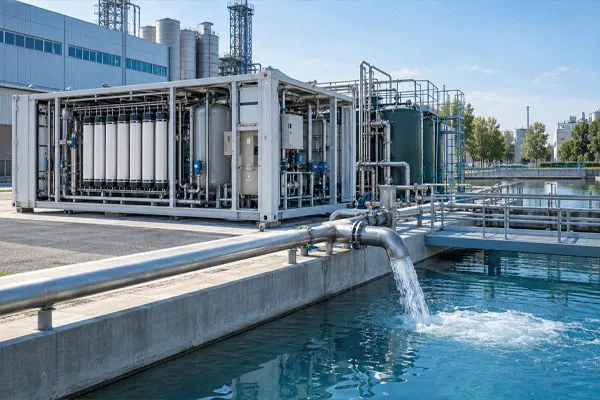
For example, a remote industrial park may choose a containerized MBR treatment plant because it can be manufactured, tested, transported, and installed quickly.
What Is MBR Technology Used For? A Complete Guide to Membrane Bioreactor Wastewater Treatment
How Does Membrane Filtration Improve Water Quality?
Membrane filtration is one of the most important parts of MBR wastewater treatment. The membrane works as a physical separation barrier, allowing clean water molecules to pass while retaining solids, microorganisms, and biomass.
In a traditional activated sludge process, separation depends mainly on gravity settling. However, settling performance can change because of:
- Sludge characteristics
- Weather conditions
- Hydraulic loading
- Microbial activity
A membrane filtration system provides more consistent separation performance.
The membrane surface contains microscopic pores that block contaminants while allowing treated water to pass through.
Typical MBR membrane pore sizes are designed to remove:
| Contaminant |
Removal Performance |
| Suspended solids |
Excellent |
| Bacteria |
High |
| Organic pollutants |
High with biological treatment |
| Turbidity |
Excellent |
| Fine particles |
Excellent |
Because of this separation capability, MBR effluent can achieve very high clarity and can be further treated for reuse applications.
For projects requiring clean water production, MBR systems are often combined with reverse osmosis membranes and EDI modules to create complete water treatment solutions.
What Is the Difference Between MBR Technology and Conventional Wastewater Treatment?
Many customers ask whether MBR technology is better than traditional wastewater treatment methods. The answer depends on project requirements, but MBR offers clear advantages in many modern applications.
Conventional wastewater treatment usually includes:
- Primary sedimentation
- Activated sludge treatment
- Secondary clarification
- Disinfection
The activated sludge process relies on settling tanks to separate treated water from microorganisms.
In contrast, a membrane bioreactor replaces the secondary clarification stage with membrane filtration.
| Comparison |
Conventional Wastewater Treatment |
MBR Technology |
| Separation method |
Gravity settling |
Membrane filtration |
| Footprint |
Large |
Compact |
| Effluent quality |
Good |
Excellent |
| Suspended solids removal |
Depends on settling |
Consistent |
| Water reuse potential |
Moderate |
High |
| Automation |
Medium |
Advanced |
The advantages of MBR technology include:
- Higher treatment efficiency
- Better water quality control
- Smaller land requirement
- Easier integration with water reuse systems
However, proper design is important. Factors such as membrane selection, aeration control, operating conditions, and cleaning procedures directly influence system performance.
How to Choose the Right MBR System for a Treatment Plant?
Selecting the correct MBR system requires a detailed understanding of wastewater characteristics and project goals. There is no single solution suitable for every application.
A professional engineering evaluation should consider:
1. Wastewater Characteristics
The first step is analyzing the wastewater source.
Important parameters include:
- COD
- BOD
- pH value
- Suspended solids
- Oil and grease
- Toxic substances
Different industries create different wastewater profiles, so membrane selection and biological design must be customized.
2. Treatment Capacity
The required flow rate determines the size of the treatment plant.
Typical project information includes:
- Daily wastewater volume
- Peak flow rate
- Seasonal variations
- Future expansion plans
3. Required Water Quality
Some customers only need compliant discharge, while others require water reuse.
Examples:
- Discharge to municipal networks
- Factory process reuse
- Cooling water reuse
- Irrigation applications
Higher reuse standards may require combining MBR with additional treatment processes.
4. System Configuration
Common MBR configurations include:
Integrated MBR System
Suitable for:
- Small communities
- Commercial buildings
- Remote locations
Skid-Mounted MBR System
Suitable for:
- Industrial applications
- Factory wastewater treatment
- Fast installation projects
Containerized MBR Treatment Plant
Suitable for:
- Emergency treatment
- Temporary facilities
- Remote projects
As a professional manufacturer, we provide customized MBR solutions including membrane modules, complete wastewater treatment plants, automation systems, and EPC project support.
What Are the Challenges of MBR Wastewater Treatment and How Can They Be Solved?
Although MBR technology provides many benefits, system design and operation require professional knowledge.
The main challenge is membrane fouling.
Membrane Fouling Management
Membrane fouling occurs when substances accumulate on the membrane surface, reducing filtration performance.
Common causes include:
- Excessive suspended solids
- Organic accumulation
- Improper aeration
- Poor pretreatment
To control fouling, modern MBR systems use:
- Optimized aeration
- Regular membrane cleaning
- Proper pretreatment
- Advanced operating controls
Energy Consumption
Aeration is required to maintain biological activity and clean the membrane surface.
Professional design can reduce energy consumption through:
- Efficient blowers
- Smart control systems
- Optimized operating cycles
Operation and Maintenance
Long-term reliability depends on:
- Correct startup procedures
- Regular inspection
- Spare parts availability
- Technical support
A reliable supplier should provide not only equipment but also engineering guidance, commissioning support, operation training, and after-sales service.
Why Choose a Professional MBR Solution Provider?
Selecting an experienced supplier is essential for achieving stable wastewater treatment performance.
A professional provider should understand both membrane technology and complete water treatment engineering.
Our company specializes in customized water and wastewater treatment solutions, including:
We support global customers including:
- EPC contractors
- Environmental engineering companies
- Municipal projects
- Industrial manufacturers
- System integrators
- International distributors
Our engineering approach focuses on:
✔ Customized process design
✔ Stable membrane performance
✔ Reliable equipment manufacturing
✔ PLC / SCADA automation
✔ Technical documentation
✔ Installation guidance
✔ Spare parts support
From laboratory evaluation to large-scale EPC projects, we help customers build reliable wastewater treatment systems.
Frequently Asked Questions About MBR Technology
What is MBR technology mainly used for?
MBR technology is mainly used for advanced wastewater treatment applications where high-quality treated water, compact design, and stable operation are required. It is widely used for municipal wastewater treatment, industrial wastewater treatment, and water reuse projects.
Is MBR better than traditional wastewater treatment?
MBR can provide higher-quality effluent and requires less space compared with many conventional wastewater treatment systems. However, the best choice depends on wastewater characteristics, budget, operating requirements, and reuse goals.
How long does an MBR membrane last?
The service life of an MBR membrane depends on wastewater conditions, operation management, cleaning frequency, and maintenance practices. Proper design and operation can significantly extend membrane lifespan.
Can MBR treated water be reused?
Yes. One major advantage of MBR is its ability to produce high-quality treated water suitable for many reuse applications. Additional treatment such as RO may be added when higher purity is required.
What industries use MBR wastewater treatment?
MBR wastewater treatment is commonly used in food processing, pharmaceuticals, chemicals, textiles, electronics, municipal projects, hotels, and industrial parks.
Key Points to Remember About MBR Technology
- MBR technology combines biological treatment and membrane filtration to create an advanced wastewater treatment process.
- A membrane bioreactor provides stable effluent quality and excellent suspended solids removal.
- MBR systems are suitable for municipal wastewater, industrial wastewater treatment, and water reuse projects.
- Different types of membrane, including hollow fiber and flat sheet designs, can meet different project requirements.
- Professional engineering design is essential for controlling membrane fouling and improving system efficiency.
- Modern MBR solutions can integrate PLC automation, SCADA monitoring, and customized treatment processes.
- Choosing an experienced manufacturer helps ensure reliable operation, technical support, and long-term project success.











 16:44
16:44