Una filtrazione inadeguata può compromettere la qualità dell'acqua, ostruire le apparecchiature e causare ritardi nella produzione. Quando uno stabilimento, un laboratorio o un progetto EPC richiede un flusso di liquido pulito, l'uso di una membrana non adeguata comporta dei rischi. Una membrana PES contribuisce a risolvere questo problema grazie a una filtrazione stabile, rapida e a basso legame.
Una membrana PES è un filtro a membrana in polietersulfone utilizzato per rimuovere particelle, microrganismi e impurità dai liquidi. Di solito è idrofila, presenta un basso legame proteico, offre un’elevata portata ed è ampiamente utilizzata nella filtrazione di soluzioni acquose, nella filtrazione sterile, nella preparazione di terreni di coltura, nella depurazione dell’acqua e nei sistemi di filtrazione industriale.
Struttura dell'articolo
- Che cos’è una membrana PES?
- Come funziona un filtro a membrana PES?
- Perché il polietersulfone viene utilizzato come materiale per le membrane?
- Quale dimensione dei pori dovresti scegliere: 0,1 μm, 0,22 μm, 0,45 μm o 0,5 μm?
- Quali sono i principali vantaggi della membrana PES idrofila?
- Quali sono le applicazioni delle membrane PES nel trattamento delle acque?
- In che modo viene utilizzato un filtro a membrana PES nell'industria alimentare e delle bevande?
- PES o PVDF: quale filtro a membrana è migliore?
- Quali sono i fattori che influenzano la portata, l'incrostazione e la durata?
- In che modo gli acquirenti di EPC dovrebbero scegliere i sistemi di filtrazione a membrana?
- Domande frequenti sui filtri a membrana PES
- Punti chiave
Che cos’è un filtro a membrana in PES? Guida alle membrane in polietersulfone per la filtrazione dei liquidi
Che cos’è una membrana PES?
Una membrana PES è una membrana porosa membrana filtrante realizzata in polietersulfone, un polimero tecnico altamente resistente. La membrana presenta numerosi pori di piccole dimensioni. Questi pori consentono il passaggio dell'acqua o di altri liquidi, trattenendo al contempo le particelle di dimensioni superiori a quelle dei pori stessi.
In parole semplici, la membrana funziona come un setaccio molto fine. Ma non è un setaccio normale. La struttura dei pori viene controllata durante la produzione della membrana, in modo che questa possa garantire una filtrazione di precisione. Una dimensione nota, come 0,22 μm o 0,45 μm, aiuta gli utenti a scegliere la membrana giusta per le diverse applicazioni di filtrazione.
Il PES è molto diffuso perché è spesso idrofilo, il che significa che l’acqua lo bagna facilmente. Una membrana idrofila è utile per le soluzioni acquose perché avvia la filtrazione più rapidamente e garantisce un migliore contatto del liquido all’interno della membrana. Ciò rende il PES una scelta comune per la filtrazione dell’acqua, la preparazione di campioni di laboratorio, la filtrazione sterile e molti processi industriali.
Come funziona un filtro a membrana PES?
Un PES funzionamento dei filtri a membrana mediante separazione in base alle dimensioni. Il liquido scorre attraverso la membrana. Le particelle, i batteri, i solidi sospesi fini o altre sostanze indesiderate vengono trattenuti se hanno dimensioni superiori a quelle dei pori della membrana. Il liquido depurato passa dall’altra parte.
Il processo di filtrazione dipende dalla pressione, dalla dimensione dei pori, dallo spessore della membrana, dalla portata e dalla qualità dell’acqua in entrata. Una dimensione dei pori più piccola garantisce una filtrazione più fine, ma può ridurre la portata. Una dimensione dei pori più grande consente una portata maggiore, ma può rimuovere un numero minore di particelle di piccole dimensioni. Ecco perché la scelta della dimensione dei pori è importante.
Ad esempio, un filtro a membrana da 0,45 μm viene spesso utilizzato per la chiarificazione e la rimozione delle particelle. Una membrana da 0,22 μm viene spesso impiegata quando è necessaria una filtrazione più fine, comprese molte operazioni di filtrazione sterile. Per lavori di precisione particolare, è possibile ricorrere a membrane da 0,1 μm, mentre quelle da 0,5 μm possono garantire una portata maggiore in operazioni di rimozione delle particelle meno critiche.
Perché il polietersulfone viene utilizzato come materiale per membrane?
Il polietersulfone viene utilizzato perché presenta una buona resistenza meccanica, eccellenti prestazioni di filtrazione e una resistenza chimica utile per numerose applicazioni acquose. Il polimero può essere trasformato in mezzi filtranti porosi con una distribuzione controllata delle dimensioni dei pori.
Una membrana in polietersulfone è apprezzata perché garantisce un’elevata portata, un basso adsorbimento proteico e un’ampia compatibilità chimica in molti sistemi a base acquosa. Per gli utenti che operano nei laboratori, nei processi di supporto farmaceutico, nel settore alimentare e delle bevande, nel risciacquo di componenti elettronici e nel trattamento delle acque, queste proprietà possono migliorare la stabilità dei processi.
I materiali PES sono utili anche quando l'acquirente necessita di risultati di filtrazione ripetibili. Nei sistemi di filtrazione realizzati in fabbrica, la ripetibilità è fondamentale. Se un lotto di membrane si comporta in modo molto diverso da un altro, l'intera linea di trattamento potrebbe diventare difficile da controllare. Una buona qualità delle membrane aiuta gli appaltatori EPC e i proprietari degli impianti a ridurre gli imprevisti durante la messa in servizio.
Che cos’è un filtro a membrana in PES? Guida alle membrane in polietersulfone per la filtrazione dei liquidi
Quale dimensione dei pori dovresti scegliere: 0,1 μm, 0,22 μm, 0,45 μm o 0,5 μm?
La dimensione ottimale dei pori dipende dall'obiettivo di rimozione che si intende raggiungere. È necessaria una depurazione grossolana, un controllo delle particelle fini, una filtrazione sterile o una rifinitura finale? Ogni risposta indica una scelta diversa di membrana.
| Dimensione dei pori |
Uso comune |
Vantaggio principale per l'acquirente |
| 0,1 μm |
Filtrazione molto fine |
Migliore rimozione delle particelle di piccole dimensioni |
| 0,22 μm |
Filtrazione di liquidi sterili o quasi sterili in numerose applicazioni di laboratorio |
Controllo accurato dei microrganismi |
| 0,45 μm |
Chiarificazione e rimozione delle particelle |
Equilibrio tra flusso e ritenzione |
| 0,5 μm |
Filtrazione generale delle particelle |
Portata maggiore in alcuni sistemi |
Una membrana in PES da 0,22 μm viene spesso scelta per la filtrazione sterile di flussi liquidi idonei, quali terreni di coltura e alcune soluzioni acquose. Un filtro a membrana in PES da 0,45 μm viene spesso scelto quando l’obiettivo è la rimozione delle particelle prima dei test, di un’ulteriore purificazione o di fasi di filtrazione a membrana a valle.
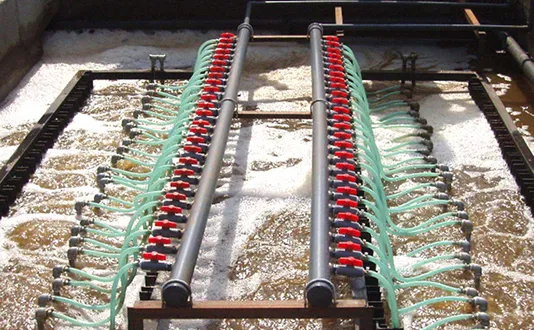
Nel trattamento delle acque industriali, la scelta della dimensione dei pori dipende anche dalla fase del sistema. Una membrana utilizzata a monte delle membrane RO deve proteggere il processo a valle. Una membrana utilizzata nei sistemi di produzione di acqua ultrapura deve garantire un rigoroso controllo di qualità. Una membrana utilizzata nel trattamento delle acque reflue deve resistere all’intasamento ed essere adeguata alla qualità effettiva dell’acqua.
Quali sono i principali vantaggi della membrana PES idrofila?
Un PES idrofilo la membrana si bagna facilmente con acqua. Ciò consente di avviare il processo di filtrazione senza particolari operazioni di pre-bagnatura per molti impieghi in ambiente acquoso. Inoltre, favorisce un rapido contatto del liquido con la superficie della membrana.
Un altro vantaggio fondamentale è il basso legame proteico. Un basso assorbimento proteico è importante per i terreni di coltura cellulare, la manipolazione di liquidi biologici e alcuni flussi di lavoro di supporto farmaceutico, poiché le proteine preziose non devono andare perse sulla superficie della membrana. Una membrana a basso legame proteico contribuisce a mantenere una quantità maggiore del materiale di interesse nel liquido filtrato.
Il PES è inoltre in grado di garantire un'elevata portata e una buona compatibilità con numerose soluzioni a base acquosa. Ciò lo rende una scelta utile per i sistemi di filtrazione che devono funzionare senza intoppi, ridurre i tempi di attesa e garantire un funzionamento affidabile.
Principali vantaggi della membrana PES:
- Superficie idrofila per la filtrazione di liquidi acquosi
- Basso legame proteico per flussi di liquidi sensibili
- Elevata portata in numerosi modelli di filtri a membrana
- Buona compatibilità chimica con molte soluzioni a base acquosa
- Struttura porosa stabile per una filtrazione di precisione
- Utile nella filtrazione sterile, nella depurazione dell'acqua e nei processi di laboratorio
Quali sono le applicazioni delle membrane PES nel trattamento delle acque?
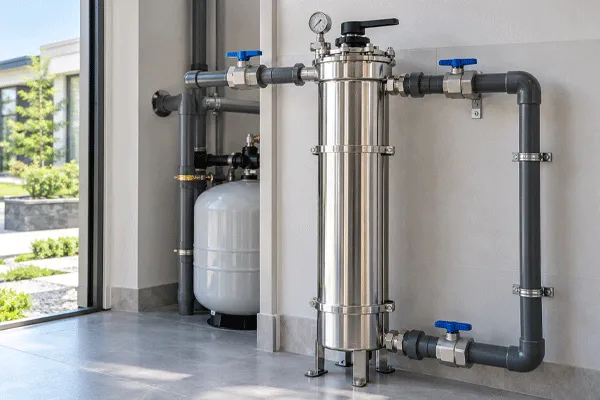
Le applicazioni delle membrane in PES comprendono il trattamento delle acque, la rifinitura dell'acqua ultrapura, il pretrattamento delle acque reflue, la filtrazione di liquidi industriali e la depurazione dell'acqua di processo. Il PES può presentarsi sotto forma di membrane a foglio piatto, moduli a fibra cava, filtri a cartuccia, filtri a capsula o prodotti di filtrazione a membrana per uso di laboratorio.
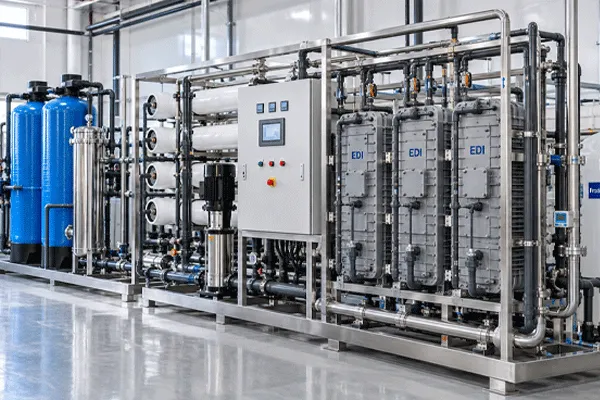
Nei progetti di trattamento delle acque, i sistemi di filtrazione a membrana combinano spesso diverse tecnologie. Ad esempio, un impianto industriale può avvalersi di un pretrattamento, membrane UF, membrane RO, moduli EDI e un trattamento di rifinitura finale. Una membrana PES può essere impiegata in una fase della filtrazione, mentre altri tipi di membrane si occupano della rimozione del sale, del controllo delle sostanze organiche o della rimozione finale degli ioni.
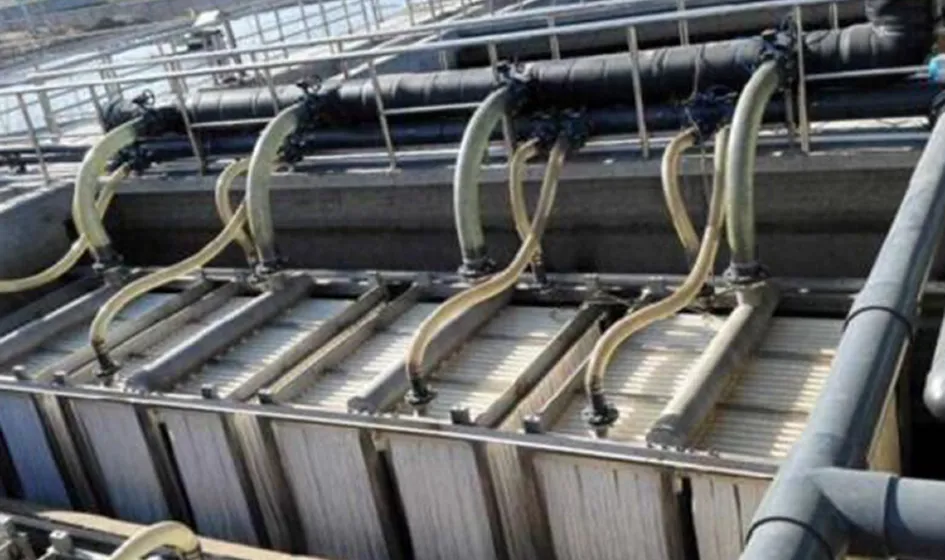
In qualità di produttori e fornitori specializzati in ingegneria di sistemi per il trattamento dell’acqua e delle acque reflue, progettiamo soluzioni incentrate sulla qualità effettiva dell’acqua. Forniamo membrane MBR a fibra cava, membrane UF a fibra cava, membrane MBR a foglio piatto, membrane RO, moduli EDI, piccoli impianti RO, impianti di trattamento dell’acqua pura, impianti di trattamento delle acque reflue e sistemi integrati di filtrazione a membrana. L’obiettivo non è semplicemente vendere una membrana. L’obiettivo è garantire una qualità stabile dell’effluente.
Che cos’è un filtro a membrana in PES? Guida alle membrane in polietersulfone per la filtrazione dei liquidi
Come viene utilizzato un filtro a membrana PES nell'industria alimentare e delle bevande?
Il settore alimentare e delle bevande necessita di acqua di processo pulita, gusto costante, produzione sicura e rigorosi controlli igienici. Un filtro a membrana PES può essere utilizzato nelle fasi di chiarificazione dei liquidi, filtrazione degli ingredienti, rifinitura dell'acqua e controllo microbico, a seconda delle esigenze di processo.
Per gli impianti di produzione di alimenti e bevande, la scelta delle membrane deve tenere conto della portata, del metodo di sterilizzazione, della pulizia chimica, della sicurezza nel contatto con il prodotto e dei costi operativi. Una membrana che funziona bene in laboratorio potrebbe non essere automaticamente adatta a una linea di produzione industriale. Le dimensioni contano. La pulizia conta. Anche la documentazione è importante.
Per gli appaltatori EPC e gli integratori di sistemi, la soluzione più adatta può comprendere sistemi di filtrazione montati su skid, impianti di trattamento containerizzati, pretrattamento UF, purificazione RO e automazione PLC/SCADA. La membrana PES è una componente importante, ma è la progettazione completa del processo a determinare le prestazioni finali.
PES o PVDF: quale filtro a membrana è migliore?
Il PES e il PVDF sono entrambi materiali comunemente utilizzati per le membrane, ma non sono la stessa cosa. Il PES viene spesso scelto per le sue proprietà idrofile, l’elevata portata e il basso legame proteico nella filtrazione acquosa. Il PVDF può rivelarsi utile in altre applicazioni di filtrazione e può offrire un’elevata resistenza chimica in determinate applicazioni con solventi.
| Articolo |
Membrana PES |
Membrana in PVDF |
| Bagnabilità dell'acqua |
Di solito idrofilo |
Può essere idrofobo o trattato per renderlo idrofilo |
| Legame proteico |
Spesso basso |
Dipende dal grado e dal trattamento superficiale |
| Portata |
Spesso con un elevato impiego in soluzioni acquose |
Dipende dal design della membrana |
| Utilizzo di solventi |
Limitato dalla compatibilità chimica |
Spesso utilizzato per operazioni più generiche con solventi |
| Uso comune |
Terreni di coltura, soluzioni acquose, filtrazione dell'acqua |
Filtrazione di solventi, sfiato di aria/gas, impieghi speciali con liquidi |
Non basatevi esclusivamente sul nome del materiale. Verificate la compatibilità chimica, la dimensione dei pori, le sostanze estraibili, il metodo di sterilizzazione, il limite di pressione, l’intervallo di temperatura e i documenti di convalida. La membrana più adatta dipende dal liquido e dal processo di lavorazione.
Se il liquido è prevalentemente acquoso e il recupero delle proteine è importante, il PES potrebbe rappresentare una scelta ottimale. Se il processo prevede l’esposizione a solventi aggressivi, potrebbe essere preferibile un altro materiale per la membrana. È sempre consigliabile effettuare dei test prima di procedere all’uso su larga scala.
Quali sono i fattori che influenzano la portata, le incrostazioni e la durata di vita utile?
La portata dipende dalla dimensione dei pori della membrana, dall'area della membrana, dalla pressione, dalla viscosità, dalla temperatura, dalla qualità del liquido e dallo spessore della membrana. Porosità e area della membrana maggiori migliorano solitamente la portata. Tuttavia, se i pori della membrana sono troppo grandi, la precisione di filtrazione potrebbe diminuire.
L'intasamento si verifica quando particelle, oli, sostanze organiche, proteine, minerali o materia biologica ostruiscono la membrana. Quando una membrana inizia a intasarsi, la pressione aumenta e la portata diminuisce. Si tratta di un problema comune nel trattamento delle acque reflue, nella produzione di alimenti e bevande e nei progetti di riutilizzo industriale.
Per ridurre l'incrostazione, gli acquirenti possono ricorrere a un pretrattamento. Questo può includere vagliatura, sedimentazione, coagulazione, carbone attivo, filtri a cartuccia, membrane UF o dosaggio di sostanze chimiche. Nei progetti EPC, spesso progettiamo il sistema come un ciclo di trattamento completo, anziché affidarci a un'unica membrana per risolvere ogni problema.
Grafico di controllo semplice delle incrostazioni
| Problema |
Possibile causa |
Azione pratica |
| La portata cala rapidamente |
Elevata concentrazione di solidi in sospensione |
Aggiungi il pretrattamento |
| La pressione aumenta |
Ostruzione dei pori della membrana |
Verificare la qualità del mangime |
| Perdita di prodotto |
Adsorbimento delle proteine |
Utilizzare PES a basso contenuto proteico |
| Errori di pulizia |
Scelta chimica errata |
Verificare la compatibilità chimica |
| Breve durata di vita |
Progettazione inadeguata del sistema |
Migliorare il pretrattamento e il funzionamento |
In che modo la sterilizzazione e la compatibilità chimica influenzano l'uso delle membrane in PES?
La sterilizzazione è importante per le applicazioni di laboratorio, di supporto farmaceutico e per la filtrazione di liquidi sensibili. Alcuni filtri a membrana in PES vengono forniti sterili. Altri possono essere sottoposti a sterilizzazione mediante metodi approvati, a seconda del design del prodotto, del materiale dell’alloggiamento e delle istruzioni del produttore.
Anche la compatibilità chimica è fondamentale. Una membrana può funzionare bene con soluzioni acquose, ma non reggere all’esposizione a solventi aggressivi. Il PES è generalmente adatto a molte applicazioni a base acquosa, ma non è universale. È necessario consultare sempre la tabella di compatibilità chimica prima di utilizzare acidi, alcali, solventi, ossidanti o prodotti chimici per la pulizia.
Ciò è particolarmente importante negli impianti industriali. Gli impianti chimici, le fabbriche farmaceutiche, le aziende produttrici di elettronica, le fabbriche tessili e di tintoria, le aziende agricole, gli alberghi e gli impianti municipali di trattamento delle acque reflue presentano tutti una qualità dell’acqua diversa. Un progetto solido parte dall’analisi dell’acqua, non da supposizioni.
Come dovrebbero scegliere i sistemi di filtrazione a membrana gli acquirenti di EPC?
Gli acquirenti di impianti EPC dovrebbero scegliere i sistemi di filtrazione a membrana in base alla qualità dell'acqua, agli standard di effluente previsti, all'ingombro, al livello di automazione, alla facilità di manutenzione e al costo totale del progetto. Una membrana a basso prezzo può rivelarsi costosa se si guasta prematuramente o se causa un funzionamento instabile.
Per il trattamento delle acque reflue industriali, il sistema potrebbe richiedere membrane MBR, membrane UF, membrane RO, moduli EDI, serbatoi, pompe, sistemi di dosaggio, controllo tramite PLC, contatori online e una documentazione tecnica chiara. Per il riutilizzo dell'acqua, il sistema deve garantire una qualità dell'acqua stabile, non limitarsi a superare un solo esame.
In qualità di azienda produttrice specializzata nel settore ingegneristico, forniamo soluzioni personalizzate per il trattamento delle acque, tra cui il trattamento delle acque reflue industriali, il trattamento delle acque reflue urbane, la produzione di acqua pura, i sistemi di acqua ultrapura, i progetti di riutilizzo dell’acqua, gli impianti di trattamento containerizzati, i sistemi montati su skid e i progetti EPC complessi nel settore del trattamento delle acque. Ci concentriamo sulle prestazioni delle membrane, sulla configurazione degli impianti, sull’automazione, sull’assistenza alla messa in servizio, sui ricambi e sulla collaborazione a lungo termine.
In che modo la membrana PES può essere integrata nei progetti di depurazione integrata dell'acqua?
Una membrana in PES può essere utilizzata in diverse fasi di filtrazione, ma deve integrarsi nel progetto complessivo. Nella depurazione dell’acqua potabile, una membrana può contribuire a rimuovere le particelle e a proteggere le fasi di trattamento successive. Nella filtrazione dell’acqua ultrapura, la scelta della membrana deve garantire una qualità finale estremamente elevata.
Per i produttori di semiconduttori e componenti elettronici, la purezza dell’acqua incide sulla resa dei prodotti. Per gli stabilimenti alimentari e di bevande, l’acqua pulita influisce sul gusto e sulla sicurezza. Per i comuni e i parchi industriali, la stabilità della qualità degli scarichi incide sul rispetto delle normative. Una membrana è piccola, ma il suo ruolo è fondamentale.
Un sistema completo può includere:
- Pretrattamento dei solidi in sospensione
- Membrana UF o MBR per il controllo biologico e delle particelle
- Membrana RO per sali disciolti e depurazione approfondita
- Modulo EDI per il trattamento di rifinitura dell'acqua ultrapura
- Filtro a membrana PES per la filtrazione di precisione o la rifinitura finale
- Automazione PLC/SCADA per il monitoraggio e il controllo
Ecco perché molti distributori internazionali e appaltatori EPC preferiscono un partner industriale che conosca bene sia i prodotti a membrana sia l'ingegneria dei sistemi.
Caso di studio: la scelta della membrana PES per il trattamento avanzato delle acque di processo
Uno stabilimento di trasformazione alimentare necessitava di un sistema di filtrazione dei liquidi più efficace prima di una fase di purificazione a valle. Il vecchio filtro si intasava spesso. Gli operatori dovevano sostituire le cartucce con troppa frequenza, con conseguente perdita di tempo di produzione.
Dopo aver verificato il liquido di alimentazione, i solidi in sospensione, la portata richiesta e il piano di pulizia, è stato selezionato per quella fase del processo un filtro a membrana PES con pori di dimensioni adeguate. L'obiettivo non era solo ottenere una filtrazione più fine, ma anche garantire una portata stabile, una pressione di mantenimento più bassa e una migliore protezione delle apparecchiature a valle.
Nei progetti reali, questo tipo di scelta consente di risparmiare molto più del semplice costo dei filtri. Protegge le pompe, le membrane RO, i moduli EDI e i programmi di produzione. Una progettazione accurata è un ottimo investimento.
Domande frequenti sui filtri a membrana PES
Cosa significa "membrana PES"?
Per "membrana PES" si intende una membrana in polietersulfone. Si tratta di un materiale filtrante a membrana porosa utilizzato per la filtrazione di liquidi, soluzioni acquose, la depurazione dell'acqua, terreni di coltura e numerose operazioni di filtrazione di precisione.
La membrana PES è idrofila o idrofoba?
La maggior parte delle membrane PES utilizzate per la filtrazione dei liquidi sono idrofile. Ciò significa che si bagnano facilmente a contatto con l'acqua e sono adatte a numerose applicazioni di filtrazione in ambiente acquoso. Alcune membrane realizzate con altri materiali possono invece essere idrofobe.
A cosa serve una membrana PES da 0,22 μm?
Una membrana PES da 0,22 μm viene spesso utilizzata per la filtrazione fine e per numerose applicazioni di filtrazione sterile, in particolare per liquidi acquosi compatibili e terreni di coltura cellulare. Verificare sempre le specifiche del prodotto e i requisiti di convalida.
A cosa serve una membrana PES da 0,45 μm?
Una membrana in PES da 0,45 μm viene comunemente utilizzata per la chiarificazione, la rimozione delle particelle, la preparazione dei campioni e la prefiltrazione prima di fasi di trattamento più raffinate. Spesso offre un buon equilibrio tra portata e ritenzione delle particelle.
La membrana PES è adatta alla filtrazione delle proteine?
Sì, il PES viene spesso scelto perché presenta un basso legame proteico e un basso assorbimento proteico rispetto ad altri materiali. Ciò contribuisce a ridurre la perdita di campione nella filtrazione biologica e proteica.
La membrana PES può essere utilizzata per il trattamento delle acque?
Sì. I materiali a membrana PES possono essere utilizzati nel trattamento delle acque, nella filtrazione dell'acqua, nella produzione di acqua ultrapura e nei sistemi di filtrazione integrati. L'impiego specifico dipende dalla dimensione dei pori, dal design del modulo, dalla qualità dell'acqua e dall'obiettivo del sistema.
La membrana PES è resistente ai solventi?
Il PES è in grado di trattare numerose soluzioni acquose, ma è necessario verificare attentamente la compatibilità con i solventi. I solventi aggressivi potrebbero danneggiare la membrana o l'alloggiamento. Verificare sempre la compatibilità chimica prima dell'uso.
Come faccio a scegliere il filtro a membrana PES più adatto?
Inizia considerando il tipo di fluido, la granulometria desiderata, la portata, la pressione, la temperatura, la compatibilità chimica, le esigenze di sterilizzazione e la documentazione richiesta. Per i sistemi di grandi dimensioni, chiedi a un team di ingegneri di esaminare l’intero processo di trattamento.
Punti chiave
- Una membrana PES è una membrana in polietersolfone utilizzata per la filtrazione fine dei liquidi.
- Un filtro a membrana PES è solitamente idrofilo e adatto a numerose soluzioni acquose.
- Le dimensioni dei pori più comuni sono 0,1 μm, 0,22 μm, 0,45 μm e 0,5 μm.
- Una membrana da 0,22 μm viene spesso utilizzata per operazioni di filtrazione fine e sterile.
- Per la chiarificazione e la rimozione delle particelle si utilizza spesso una membrana da 0,45 μm.
- Il PES è noto per l'elevata portata e il basso legame proteico in numerose applicazioni di filtrazione.
- Prima di utilizzare solventi o prodotti chimici detergenti aggressivi è necessario verificare la compatibilità chimica.
- I filtri a membrana PES possono essere utilizzati per il trattamento delle acque, nel settore alimentare e delle bevande, nei terreni di coltura, nell’acqua ultrapura e nella filtrazione di liquidi industriali.
- Nei progetti idrici EPC, la scelta delle membrane dovrebbe tenere conto dell'intero processo di trattamento, non limitarsi al nome di un singolo prodotto.
- Un partner affidabile nel settore del trattamento delle acque dovrebbe fornire prodotti a membrana, progettazione di impianti, automazione, documentazione, assistenza alla messa in servizio e pezzi di ricambio.












 10:42
10:42