Team di ingegneria per il trattamento delle acque di Banott — Pubblicato il 28 agosto 2026
Determinazione delle dimensioni di un elemento sommerso MBR a fibra cava Il calcolo consiste nel convertire la portata di progetto nell’area di membrana richiesta, per poi dividere tale area per l’area di un singolo modulo. I moduli a fibra cava di Banott coprono superfici di 3 m² (MBRIII3C), 10 m² (MBRIII10C) e 20 m² (MBI120C); il flusso di progetto, l’intervallo di TMP e le condizioni CIP non sono ancora stati pubblicati e devono essere richiesti direttamente.
Moduli a membrana MBR sommersi: specifiche e dimensionamento
Cosa significa “sommerso” in questo calcolo
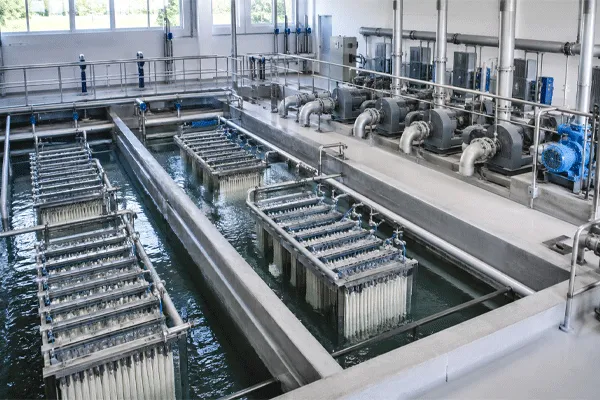
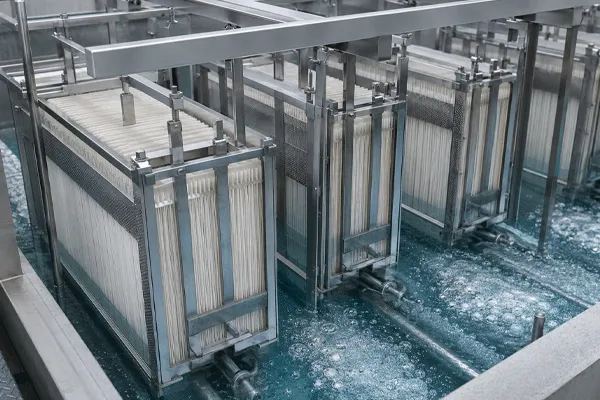
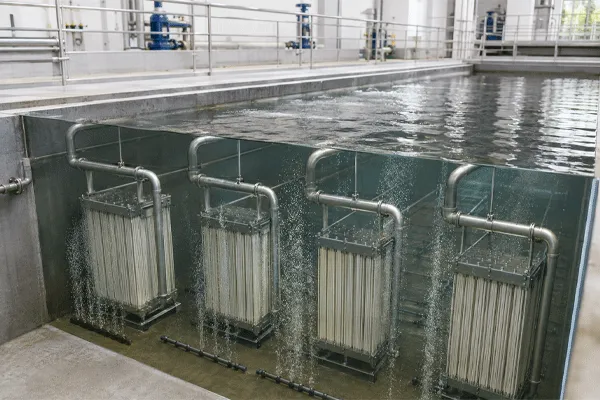
In una configurazione sommersa, il modulo a membrana è collocato direttamente nel serbatoio del liquido misto, con il permeato che viene aspirato attraverso la parete in fibra sotto vuoto anziché essere pompato attraverso la superficie della membrana sotto pressione. Questa distinzione è importante ai fini del dimensionamento, poiché la forza motrice è limitata: i sistemi sommersi tipici operano ben al di sotto dei limiti massimi di TMP utilizzati nell’ultrafiltrazione pressurizzata, il che spiega in parte perché il controllo dell’incrostazione e la progettazione dell’aerazione assumono maggiore rilevanza nel processo di dimensionamento rispetto a un sistema pressurizzato su skid.
Questo non è un articolo di definizione, quindi il resto del testo parte dal presupposto che il lettore sappia già cosa sia MBR e passa direttamente al calcolo del numero di moduli.
La formula di base: rapporto tra flusso e numero di moduli
Tre numeri determinano il numero di moduli necessari per un treno:
- Portata di progetto (Q) — la portata giornaliera massima o media che l'impianto deve trattare, espressa in m³/giorno. Questo valore deriva dai dati relativi all'afflusso del progetto, non da un catalogo di membrane.
- Flusso di progetto (J) — la portata sostenibile del permeato per unità di superficie della membrana, espressa in LMH (litri per metro quadrato all’ora). Si tratta del valore che converte la portata in superficie.
- Area effettiva della membrana per modulo (A) — determinata dal prodotto selezionato.
La relazione è la seguente:
Area totale richiesta delle membrane (m²) = Portata di progetto (m³/giorno) ÷ [Flusso di progetto (L/m²·h) × 24 ÷ 1.000]
Numero di moduli = Area totale richiesta della membrana ÷ Area effettiva per modulo
Il flusso di progetto è il termine che riflette maggiormente il giudizio ingegneristico in questa equazione, poiché deve tenere conto dei rapporti tra portata di picco e portata media, della temperatura, della concentrazione di solidi sospesi nel liquido misto e del margine di incrostazione che il progettista intende mantenere come riserva. È inoltre il parametro che Banott non ha ancora pubblicato per il MBR a fibra cava riga — si veda lo spazio contrassegnato qui sotto prima di applicare questa formula a un progetto reale.
Specifiche confermate del modulo
| Modello |
Area effettiva della membrana |
Configurazione |
Flusso di progettazione |
Gamma TMP |
Tasso di aerazione/erosione |
Dimensioni del modulo |
Protocollo CIP |
| MBRIII3C |
3 m² |
Fibra cava sommersa |
Non pubblicato — disponibile su richiesta |
Non pubblicato — disponibile su richiesta |
Non pubblicato — disponibile su richiesta |
Non pubblicato — disponibile su richiesta |
Non pubblicato — disponibile su richiesta |
| MBRIII10C |
10 m² |
Fibra cava sommersa |
Non pubblicato — disponibile su richiesta |
Non pubblicato — disponibile su richiesta |
Non pubblicato — disponibile su richiesta |
Non pubblicato — disponibile su richiesta |
Non pubblicato — disponibile su richiesta |
| MBI120C |
20 m² |
Fibra cava sommersa — classificazione in attesa di conferma |
Non pubblicato — disponibile su richiesta |
Non pubblicato — disponibile su richiesta |
Non pubblicato — disponibile su richiesta |
Non pubblicato — disponibile su richiesta |
Non pubblicato — disponibile su richiesta |
La denominazione del modello MBI120C è simile a quella della serie di fogli piatti di Banott, anche se nella libreria delle risorse è classificato nella categoria delle fibre cave; la questione non è stata ancora chiarita con il team di prodotto, pertanto si prega di specificarlo con questa precisazione fino a conferma contraria.
Moduli a membrana MBR sommersi: specifiche e dimensionamento
Perché il campo relativo al numero di moduli non può ancora essere compilato
Poiché l’area effettiva è confermata ma il flusso di progetto non è confermato, la seconda parte della formula sopra riportata non ha un termine destro da risolvere. Un esempio risolto in cui si inserisse un valore ipotetico di flusso apparirebbe completo sulla pagina ma risulterebbe errato in un'offerta di gara — esattamente il tipo di errore che preoccupa maggiormente un lettore di un istituto di progettazione. Anziché stimare un valore LMH che sembri plausibile, questo articolo si limita alla formula e ai dati confermati relativi all'area, trattando il valore del flusso come una voce da richiedere separatamente.
Una volta confermati il flusso di progetto, l’intervallo TMP e la portata di aerazione, l’esempio pratico che si applica in questo caso è semplice: scegliere una portata di progetto, dividerla per il flusso per ottenere l’area, dividere per l’area del modulo per ottenere il numero di moduli, quindi arrotondare per eccesso al modulo intero successivo e aggiungere eventuali unità di riserva previste dalla filosofia di ridondanza.
Idea errata diffusa: l’area indicata sulla targhetta non costituisce la base di progetto
Un errore di dimensionamento frequente consiste nell’utilizzare il flusso massimo nominale di un modulo come flusso di progetto per l’intero treno. Il flusso massimo nominale è un valore a breve termine, riferito all’acqua pulita; far funzionare un MBR sommerso a quella portata in modo continuo con il liquido misto reale accelera l’intasamento e riduce l’intervallo tra le pulizie chimiche. Il flusso di progetto utilizzato per il calcolo del numero di moduli dovrebbe essere inferiore al valore nominale massimo, con un margine dimensionato in base alla tendenza all’intasamento specifica delle acque reflue — il che costituisce un motivo in più per cui questo valore deve essere fornito dal team di ingegneri di Banott sulla base dei dati effettivi dell’affluente, piuttosto che da un dato generico tratto da un catalogo.
Prerequisiti per la vagliatura e l'aerazione
Il numero di moduli risponde solo in parte alla questione del dimensionamento. Affinché il numero di moduli a fibra cava sommersi sia significativo, devono sussistere due condizioni a monte:
- Vagliatura fine a monte del serbatoio a membrana. I moduli a fibre cave sono soggetti a rottura delle fibre e a intasamento causato da solidi fibrosi o filamentosi che una griglia a barre a maglie larghe non è in grado di trattenere. La vagliatura fine (generalmente compresa tra 1 e 3 mm in tutto il settore, non si tratta di un valore specifico di Banott) è una pratica standard a monte dei treni di fibre cave sommerse.
- Aerazione continua a bolle grossolane nel serbatoio a membrana. L’aria di lavaggio impedisce ai solidi di depositarsi sulla superficie delle fibre tra un ciclo di permeato e l’altro. Banott non ha pubblicato una portata specifica dell’aria di lavaggio per la sua serie di fibre cave, pertanto questo dato rimane da richiedere, insieme al flusso e alla TMP.
La mancata osservanza di uno dei due prerequisiti è una delle cause più comuni per cui un treno, pur avendo un numero corretto di moduli, continua a registrare prestazioni inferiori alle aspettative una volta messo in servizio.
Moduli a membrana MBR sommersi: specifiche e dimensionamento
Confronto con un impianto convenzionale di trattamento con fanghi attivi
Rispetto all’aggiunta di un sistema di filtrazione a valle di un processo convenzionale a fanghi attivi, il sistema sommerso Modulo MBR Il dimensionamento integra la fase di chiarificazione direttamente nel bacino biologico, anziché prevedere una fase separata di rifinitura. Ciò consente di riunire due decisioni progettuali — il dimensionamento del chiarificatore secondario e la rifinitura dell’effluente — in un unico calcolo dell’area delle membrane; questo è uno dei motivi per cui gli interventi di adeguamento con tecnologia MBR possono essere realizzati all’interno dell’ingombro di un bacino esistente, laddove un potenziamento con chiarificatore secondario convenzionale non sarebbe possibile.
FAQ
D: Posso dimensionare un treno di MBR sommerso utilizzando esclusivamente i dati relativi all’area effettiva delle membrane qui pubblicati?
A: No. L'area da sola fornisce solo il denominatore. Per calcolare l'area totale necessaria occorre innanzitutto il flusso di progetto, che non è ancora stato pubblicato per questa linea di prodotti.
D: Il modello MBI120C è un modulo a fibra cava o a lamella piatta?
R: La libreria delle risorse di Banott lo elenca attualmente tra gli MBR a fibra cava con un’area effettiva di 20 m², ma lo schema di denominazione del modello corrisponde a quello della serie a foglio piatto. La questione non è stata ancora chiarita con il team di prodotto e andrebbe confermata prima di specificarlo in un capitolato d’appalto.
D: Quale ridondanza occorre aggiungere al numero di moduli calcolato?
R: La filosofia di ridondanza (modulo N+1, treno di riserva o nessuna riserva) è una decisione progettuale specifica per ogni progetto, presa in collaborazione con il team di ingegneri di Banott in base alla criticità dell’impianto e all’accessibilità per la manutenzione, non una regola fissa che questo articolo possa enunciare in modo generico.
D: Banott pubblica il prezzo per modulo?
A: Non è disponibile un prezzo pubblico per singolo modulo; per conoscere i prezzi è necessario inviare una richiesta diretta.











 14:46
14:46