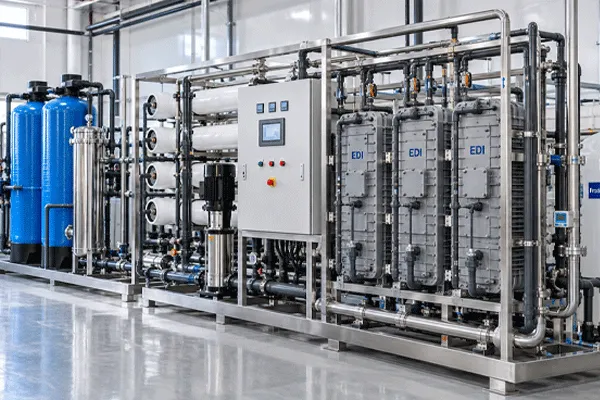
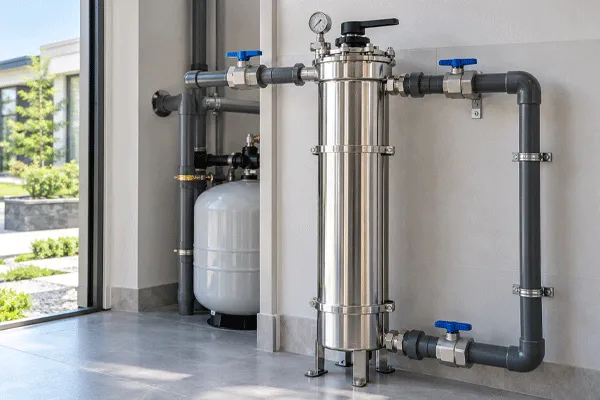
قد تفشل مشاريع المياه عالية النقاء عندما تبقى أيونات بعد عملية التناضح العكسي (RO)، أو عندما تحتاج الراتنجات إلى تجديد متكرر، أو عندما تتغير جودة المياه. ويتزايد هذا الخطر في المشاريع الصيدلانية، ومشاريع أشباه الموصلات، ومشاريع الغلايات، والمشاريع المختبرية. ويساعد نظام معالجة المياه بالترشيح الكهربائي (EDI) على إنتاج مياه مستقرة عالية النقاء من خلال إزالة الأيونات بشكل مستمر وتقليل استخدام المواد الكيميائية.
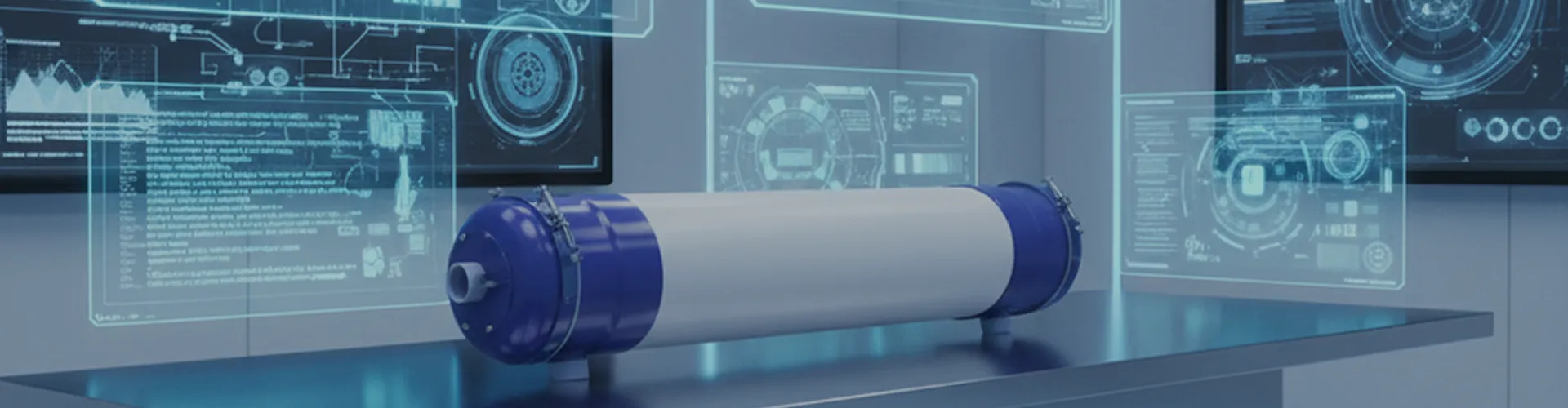
يستخدم نظام معالجة المياه EDI الكهرباء وراتنج التبادل الأيوني وأغشية التبادل الأيوني والمجال الكهربائي لإزالة الأيونات من الماء. وعادةً ما يتم تركيبه بعد نظام التناضح العكسي لتحسين جودة نواتج التناضح العكسي وتحويلها إلى مياه عالية النقاء أو مياه فائقة النقاء لاستخدامها في مياه العمليات الصناعية ومياه تغذية الغلايات والاستخدامات الإنتاجية الحيوية.
مخطط المقال
- ما المقصود بالتنقية الكهروأيونية في معالجة المياه؟
- كيف يعمل نظام التبادل الإلكتروني للبيانات (EDI)؟
- ما الذي تزيله عملية إزالة الأيونات الكهربائية من الماء؟
- لماذا يتم عادةً تركيب نظام التناضح العكسي (RO) قبل معالجة المياه باستخدام تقنية التبادل الكهربائي (EDI)؟
- تقنية EDI مقابل أنظمة راتنجات التبادل الأيوني التقليدية: ما الفرق بينهما؟
- ما هي الأجزاء الرئيسية لنظام إزالة الأيونات الكهربائية؟
- أين تُستخدم المياه المُعالجة بتقنية EDI في معالجة المياه الصناعية؟
- ما هي جودة مياه التغذية التي تحتاجها وحدة EDI؟
- كيف يتم تصميم نظام معالجة المياه بتقنية EDI؟
- ما هي النقاط التي يجب مراعاتها في تشغيل وصيانة وحدات EDI؟
- الأسئلة الشائعة حول إزالة الأيونات الكهربائية، والتبادل الأيوني، والمياه عالية النقاء
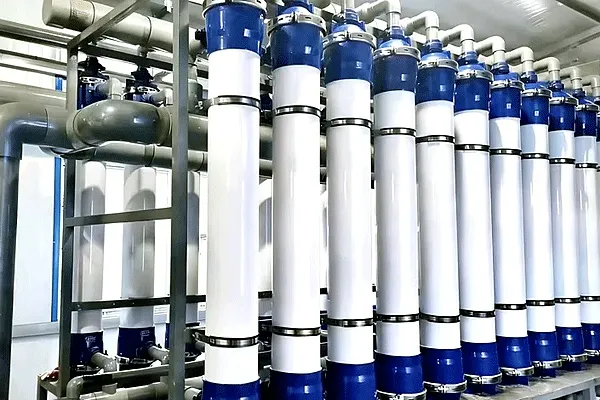
ما هو نظام معالجة المياه بالترشيح الكهربائي (EDI)؟
ما المقصود بالتنقية الكهربائية في معالجة المياه؟
إزالة الأيونات بالكهرباء هي تقنية لمعالجة المياه تُستخدم لإزالة الأيونات المذابة من الماء. وهي تجمع بين راتنج التبادل الأيوني، وأغشية التبادل الأيوني، والطاقة الكهربائية ذات التيار المستمر. وبعبارة بسيطة، فإن تقنية EDI هي عملية مستمرة لإزالة الأيونات من الماء دون الحاجة إلى عمليات التجديد الكيميائي المتكررة المستخدمة في العديد من أنظمة الراتنج التقليدية.
في سلسلة معالجة المياه النموذجية، يأتي نظام التناضح الكهربائي (EDI) بعد مرحلة المعالجة الأولية ومرحلة التناضح العكسي (RO). يزيل نظام التناضح العكسي معظم الأملاح والمواد العضوية والجسيمات والعديد من ملوثات المياه. ثم يقوم نظام التناضح الكهربائي (EDI) بتنقية نواتج التناضح العكسي لإنتاج مياه عالية الجودة ذات موصلية منخفضة جدًّا ومقاومة كهربائية عالية.
وهذا الأمر مهم للمشترين في قطاع الأعمال بين الشركات (B2B) لأن المياه عالية النقاء ليست خيارًا اختياريًّا في العديد من الصناعات. فشركات الأدوية، ومصنعو أشباه الموصلات والإلكترونيات، ومحطات توليد الطاقة، والمختبرات، ومصانع الأغذية والمشروبات، ومصانع الكيماويات الدقيقة، جميعها تحتاج إلى جودة مياه مستقرة. وبصفتنا شركة مصنعة لأنظمة معالجة المياه ذات التوجه الهندسي، فإننا لا ننظر إلى تقنية التناضح الكهربائي (EDI) على أنها جهاز منفرد، بل كجزء من خط إنتاج كامل للمياه النقية أو المياه فائقة النقاء.
كيف يعمل نظام التبادل الإلكتروني للبيانات (EDI)؟
يعمل نظام التناضح الكهربائي (EDI) عن طريق تحريك الأيونات عبر طبقات من الراتنج والأغشية تحت تأثير مجال كهربائي. يتدفق الماء عبر غرف مملوءة براتنج التبادل الأيوني. وعندما تدخل الأيونات إلى طبقة الراتنج، يساعد الراتنج في احتجازها ونقلها. ثم يقوم المجال الكهربائي بدفع الكاتيونات والأنيونات عبر أغشية انتقائية إلى تيار مركّز.
من السهل تصور العملية الأساسية:
| الخطوة |
ماذا يحدث |
المعنى البسيط |
| 1. يدخل نواتج التناضح العكسي |
يدخل ماء التغذية منخفض الملوحة إلى وحدة التناضح الكهربائي (EDI) |
تحتاج EDI إلى المياه النظيفة أولاً |
| 2. راتنج التلامس الأيوني |
يتدفق الماء عبر الراتينج |
تساعد الراتنجات في نقل الجسيمات المشحونة |
| 3. يتم تزويد الجهاز بالتيار المستمر |
التيار المستمر يولد مجالًا كهربائيًّا |
تبدأ الأيونات في التحرك |
| 4. تعمل الأغشية على فصل الأيونات |
تقوم الأغشية التبادلية الأيونية بتوجيه حركة الأيونات |
المياه النظيفة وتقسيم مسار النفايات |
| 5. مخارج مياه المنتج |
يخرج الماء منزوع الأيونات من الوحدة |
يتم إنتاج مياه عالية النقاء |
في هذه العملية، يساعد القطب الكهربائي في توليد القوة الكهربائية. يتحرك الكاتيون نحو القطب السالب، بينما يتحرك الأنيون نحو القطب الموجب. وهذه هي الطريقة التي يزيل بها النظام الأيونات من الماء ويحافظ على نشاط الراتينج أثناء التشغيل.
تصف شركة «دوبونت» عملية إزالة الأيونات الكهربائية (EDI) بأنها عملية مستمرة وخالية من المواد الكيميائية، تعمل على إزالة الجزيئات المؤينة والقابلة للتأين من مياه التغذية باستخدام التيار المستمر. كما تصف شركة «إلغا» عملية إزالة الأيونات الكهربائية بأنها تقنية تعمل بالطاقة الكهربائية، وتستخدم الكهرباء وأغشية التبادل الأيوني والراتنج لإزالة الجزيئات المؤينة من الماء.
ما الذي تزيله عملية إزالة الأيونات الكهربائية من الماء؟
تعمل عملية إزالة الأيونات الكهربائية بشكل أساسي على إزالة الأيونات المذابة والمواد القابلة للتأين من الماء. وقد تشمل هذه المواد الصوديوم، والكلوريد، والكالسيوم، والمغنيسيوم، والنترات، والكبريتات، والسيليكا في شكلها الأيوني، والمواد ضعيفة التأين. كما يمكن أن تساعد هذه العملية في تقليل بعض الأحماض العضوية المشحونة والمواد الأيونية المرتبطة بثاني أكسيد الكربون بعد إجراء المعالجة المسبقة المناسبة.
ومع ذلك، فإن تقنية EDI لم تُصمم لإزالة جميع الملوثات بمفردها. فهي لا تحل محل المعالجة المسبقة، أو الكربون المنشط، أو الترشيح الفائق، أو التناضح العكسي، أو التعقيم، عندما تكون هذه الخطوات ضرورية. من الأفضل استخدام التبادل الأيوني (EDI) كخطوة تنقية نهائية بعد التناضح العكسي (RO).
ومن بين الأهداف الشائعة ما يلي:
- موصلية منخفضة
- مقاومة عالية
- انخفاض الشوائب الأيونية
- مياه منتج مستقرة
- تقليل الحاجة إلى التجديد الكيميائي
- إنتاج مستمر للمياه عالية النقاء
يستحق ثاني أكسيد الكربون اهتمامًا خاصًا. يمكن لثاني أكسيد الكربون (CO₂) أن يمر عبر نظام التناضح العكسي (RO) ثم يتأين في الماء، مما يزيد من الحمل الأيوني على وحدة التناضح الكهربائي (EDI). ولهذا السبب، تستخدم بعض الأنظمة عمليات إزالة الغازات، أو التحكم في درجة الحموضة، أو تصميمًا دقيقًا لنظام التناضح العكسي قبل وحدة التناضح الكهربائي. فالتصميم الجيد يحمي وحدة التناضح الكهربائي بدلاً من تحميلها مسؤولية حل كل مشكلة تحدث في المراحل السابقة.
لماذا يتم عادةً تركيب نظام التناضح العكسي (RO) قبل معالجة المياه باستخدام تقنية التبادل الكهربائي (EDI)؟
يعمل كل من التناضح العكسي (RO) والتناضح الكهربائي (EDI) بشكل أفضل كفريق واحد. حيث يزيل التناضح العكسي معظم الأملاح المذابة والعديد من الملوثات قبل مرحلة التناضح الكهربائي. ثم يقوم التناضح الكهربائي بتنقية مياه التناضح العكسي لتصل إلى مستويات عالية النقاء أو فائقة النقاء.
توضح وكالة حماية البيئة الأمريكية (EPA) أن التناضح العكسي والترشيح النانوي هما عمليتان للفصل الغشائي تستخدمان الضغط والأغشية شبه المنفذة لإزالة الملوثات من المياه. وتُسمى المياه المعالجة التي تمر عبر الغشاء «المياه المنفذة» أو «المياه الناتجة».
تبدو سلسلة معالجة المياه النموذجية كما يلي:
المياه الخام
→ المعالجة الأولية
→ مرشح الكارتريدج / الترشيح بالألترافلتر (UF)
→ نظام التناضح العكسي (RO)
→ نظام التناضح الكهربائي (EDI)
→ الأشعة فوق البنفسجية (UV) / المعالجة النهائية
→ خزان المياه النقية
→ نقطة الاستخدام
يهدف هذا التصميم إلى حماية وحدة EDI. فإذا دخلت المياه الخام مباشرةً إلى وحدة EDI، فقد يتعرض الراتنج والغشاء للتلوث أو الترسبات الكلسية أو الحمل الزائد بسرعة. وتقوم وحدة التناضح العكسي (RO) أولاً بتخفيض الحمل الأيوني. وهذا يجعل تشغيل وحدة EDI أكثر استقرارًا ويقلل من تكاليف التشغيل على المدى الطويل.
تقنية EDI مقابل أنظمة راتنجات التبادل الأيوني التقليدية: ما الفرق بينهما؟
تستخدم أنظمة راتنجات التبادل الأيوني التقليدية طبقات من الراتنج لتبادل الأيونات في الماء. وعندما ينفد الراتنج، يجب تجديده باستخدام محاليل حمضية أو قلوية أو ملحية. وقد يؤدي ذلك إلى الحاجة إلى تخزين المواد الكيميائية، وظهور مياه الصرف الناتجة عن عملية التجديد، وزيادة عبء العمل على المشغلين.
تستخدم تقنية EDI الراتنج أيضًا، ولكن بطريقة مختلفة. حيث يتم تجديد الراتنج باستمرار داخل الوحدة بواسطة التيار الكهربائي وعملية تفكيك الماء. ولهذا السبب غالبًا ما يُطلق على تقنية EDI اسم «التأين الكهربائي المستمر». تصف إحدى المراجعات المنشورة في ScienceDirect عملية إزالة الأيونات الكهربائية المستمرة بأنها مزيج من الغسيل الكهربائي والتبادل الأيوني باستخدام الراتنجات والأغشية، مع تشغيل خالٍ من المواد الكيميائية وقادر على التجديد الذاتي.
| البند |
أنظمة راتنجات التبادل الأيوني التقليدية |
معالجة المياه باستخدام تقنية EDI |
| الطريقة الرئيسية |
التبادل بالراتنج |
الراتنج + الغشاء + المجال الكهربائي |
| التجديد |
يلزم إجراء عملية تجديد كيميائي |
التجديد الكهربائي المستمر |
| استخدام المواد الكيميائية |
غالبًا ما تكون هناك حاجة إلى الأحماض أو المواد الكاوية أو الأملاح |
انخفاض كبير في التعامل مع المواد الكيميائية |
| أسلوب التشغيل |
دورات الدُفعات أو دورات الصيانة/التجديد |
عملية مستمرة |
| أفضل استخدام |
العديد من حالات التليين وإزالة الأيونات |
ماء عالي النقاء بعد عملية التناضح العكسي |
| تدفق النفايات |
مياه الصرف الناتجة عن عملية التجديد الكيميائي |
تيار مركّز |
وهذا هو السبب الرئيسي الذي يجعل العديد من أنظمة المياه النقية الحديثة تستخدم تقنية التناضح العكسي (RO) + التناضح الكهربائي (EDI) بدلاً من أنظمة الطبقة المختلطة القديمة. فهي تعزز السلامة، وتقلل من التعامل مع المواد الكيميائية، وتساهم في إنتاج مياه أكثر استقرارًا.
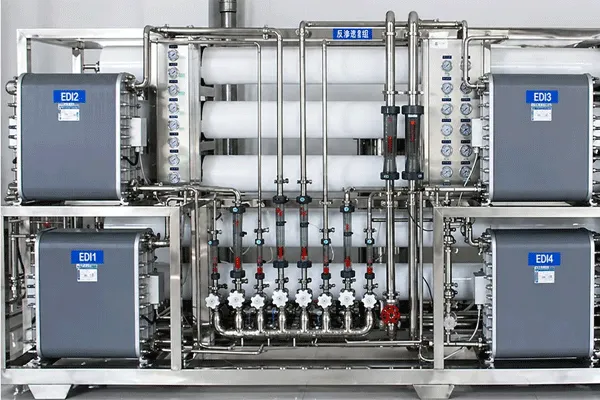
ما هي الأجزاء الرئيسية لنظام إزالة الأيونات كهربائيًا؟
يتألف نظام إزالة الأيونات الكهربائية من عدة أجزاء عاملة. ولكل جزء دور محدد. وإذا تم اختيار أحد الأجزاء بشكل غير ملائم، فقد تتأثر جودة المياه سلبًا.
وتشمل المكونات الرئيسية ما يلي:
- وحدة EDI: الجهاز الأساسي الذي تتم فيه عملية إزالة الأيونات
- راتنج التبادل الأيوني: يساعد على احتجاز أنواع الأيونات ونقلها
- الأغشية التبادلية الأيونية: توجه الأيونات إلى تيار المركزات
- غرفة الأقطاب الكهربائية: توفر القوة الدافعة الكهربائية
- مصدر الطاقة: يزود الوحدة بالتيار المستمر
- مضخة التغذية: تتحكم في التدفق إلى النظام
- حلقة التركيز: تعمل على إزالة الأيونات المُستخرجة
- نظام التحكم PLC: يراقب التدفق والضغط والجهد والتيار، ويقوم بإصدار الإنذارات
- الأجهزة: مستشعرات الموصلية، والمقاومة، والضغط، والتدفق، ودرجة الحرارة
غالبًا ما يتم ملء الوحدة براتنجات التبادل الأيوني الموجودة بين الأغشية. ويمكن للمياه التي تسلك مسار التدفق هذا أن تمر عبر قناة خاضعة للتحكم، حيث تنتقل الأيونات خارج تيار المياه النهائية. وهذا هو جوهر تحسين نقاء المياه.
بالنسبة لمقاولي EPC, ، وحدة EDI وهو مجرد جزء واحد من النظام الكامل. كما أن الأنابيب والصمامات ومنطق التحكم ومنافذ التنظيف واختيار الأجهزة وتصميم المنصة العائمة عوامل مهمة أيضًا. وبصفتنا مزودًا لتقنيات معالجة المياه، فإننا نصمم وحدات التناضح الكهربائي (EDI) مع أنظمة التناضح العكسي (RO) والتناضح الفائق (UF) والجرعات والتخزين والتوزيع كجزء من مشروع واحد.
ما هو نظام معالجة المياه بالترشيح الكهربائي (EDI)؟
أين تُستخدم مياه EDI في معالجة المياه الصناعية؟
يُستخدم الماء المعالج بتقنية التناضح الكهربائي (EDI) في الحالات التي يتعين فيها الحفاظ على استقرار جودة الماء عالي النقاء. وتشمل التطبيقات النموذجية الماء المستخدم في الصناعات الدوائية، ومياه شطف أشباه الموصلات، وتصنيع الإلكترونيات، ومياه تغذية الغلايات، ومياه المختبرات، ودعم إنتاج الهيدروجين، والتنظيف الدقيق، ومياه المعالجة عالية الجودة.
تُدرج شركة «يورو ووتر» قائمة بالتطبيقات النموذجية لتقنية EDI، مثل مياه تغذية الغلايات في محطات توليد الحرارة والكهرباء، ومياه العمليات في صناعة الإلكترونيات، والصناعة الدوائية، والمستشفيات، والمختبرات.
ومن بين الصناعات الشائعة ما يلي:
| الصناعة |
تطبيق EDI |
لماذا هذا مهم؟ |
| الصيدلانية |
إنتاج المياه النقية |
يدعم معايير العمليات النظيفة |
| أشباه الموصلات |
الماء فائق النقاء والشطف |
يقلل من التلوث الأيوني |
| محطة توليد الكهرباء |
مياه تغذية المرجل |
يساعد على الحد من الترسبات والتآكل |
| الإلكترونيات |
مياه المعالجة |
يحافظ على جودة المنتج |
| المختبر |
ماء عالي النقاء |
يدعم إجراء الاختبارات بدقة |
| الأطعمة والمشروبات |
المياه المستخدمة في المكونات وفي العمليات |
يحسّن التماسك |
| مصنع كيماويات |
مياه المعالجة |
يتحكم في مستويات الشوائب |
وفي بعض المشاريع، تساهم تقنية EDI أيضًا في الحفاظ على الموارد المائية. فمن خلال تصميم مناسب للمعالجة المسبقة واستعادة المياه، يمكن للمحطة إعادة استخدام المياه، وتقليل الاستهلاك من المواد الكيميائية، وتحسين كفاءة تشغيل أنظمة المياه. وتعد هذه فائدة كبيرة للمجمعات الصناعية، ومقاولي EPC، والمصانع التي تشهد ارتفاعًا في الطلب على المياه.
ما هي جودة مياه التغذية التي تحتاجها وحدة EDI؟
تحدد جودة مياه التغذية المدة التي يمكن أن تعمل خلالها وحدة EDI. تحتاج وحدة EDI إلى نواتج التناضح العكسي (RO) النظيفة، وليس المياه الخام. ويجب أن تتميز مياه التغذية بانخفاض درجة الصلابة، وانخفاض تركيز ثاني أكسيد الكربون، وانخفاض نسبة الكلور، وانخفاض نسبة المواد العضوية، وانخفاض نسبة الجسيمات، ودرجة حرارة خاضعة للتحكم.
ومن بين نقاط تغذية المياه المهمة ما يلي:
- انخفاض الموصلية بعد التناضح العكسي
- صلابة منخفضة للحد من تكوّن الترسبات الكلسية
- مستوى منخفض من الكلور الحر لحماية الأغشية والراتنج
- انخفاض مستويات الحديد والمنغنيز
- تقليل نسبة السيليكا قدر الإمكان
- درجة حموضة ثابتة
- انخفاض نسبة المواد الصلبة العالقة
- نطاق درجة الحرارة المناسب
- الضغط والتدفق الصحيحان
يمكن لوحدة EDI إزالة الأيونات من الماء، لكنها لا تستطيع حماية نفسها من سوء تصميم المراحل السابقة. فإذا كان نظام التناضح العكسي يعاني من ضعف في رفض الأملاح، فستتحمل وحدة EDI عبئًا زائدًا من العمل. وإذا تعطلت مرشحات الكربون ومرّت المواد المؤكسدة إلى المراحل اللاحقة، فقد يتعرض الغشاء للتلف. أما إذا كان اختيار مادة مانعة للتكلس غير صحيح، فقد يتشكل الترسب الكلسي.
ولهذا السبب نطلب دائمًا إجراء تحليل للمياه قبل تقديم عرض أسعار لنظام كامل. وينبغي أن يتضمن العرض الجيد بيانات المياه الخام، وجودة المياه النهائية المستهدفة، وتصميم المعالجة الأولية، ومعدل استرداد التناضح العكسي، وسعة وحدة التناضح الكهربائي (EDI)، ومنطق الأتمتة، ودعم التشغيل.
كيف يتم تصميم نظام معالجة المياه بتقنية EDI؟
يبدأ التصميم الجيد لنظام معالجة المياه بتقنية التبادل الأيوني (EDI) بتحديد جودة المياه المطلوبة. على سبيل المثال، قد يركز مشروع الغلايات على انخفاض الموصلية والتحكم في نسبة السيليكا. وقد يحتاج مشروع صيدلاني إلى مياه ذات جودة عالية وتصميم نظام صحي. أما مشروع أشباه الموصلات فقد يحتاج إلى مقاومة كهربائية عالية جدًّا وعملية تلميع بعد معالجة المياه بتقنية EDI.
تتضمن عملية التصميم عادةً ما يلي:
- مراجعة تحليل المياه الخام.
- التأكد من مطابقة المنتج لمعايير المياه.
- اختر المعالجة المسبقة.
- تصميم نظام التناضح العكسي (RO) ومعدل الاسترداد.
- حدد سعة EDI وطراز الوحدة.
- أضف التعرض للأشعة فوق البنفسجية أو التلميع أو التعقيم إذا لزم الأمر.
- تصميم أنظمة التخزين والتوزيع.
- إضافة نظام أتمتة PLC / SCADA.
- إعداد الرسومات والأدلة.
- تقديم الدعم في مجالي التركيب والتشغيل.
للحصول على نظام كامل لتنقية المياه،, غالبًا ما ترتبط تقنية التبادل الأيوني (EDI) بالتناضح العكسي (RO)، والتناضح الفائق (UF)، وعمليات الجرعات، ومرشحات الكارتريدج، والأشعة فوق البنفسجية (UV)، والتحكم في إجمالي الكربون العضوي (TOC), ، أو عملية تنقية المياه باستخدام السرير المختلط، أو المعالجة اللاحقة بتقنية التناضح الكهربائي (EDI)، حسب الاستخدام المطلوب. والهدف ليس بيع المزيد من المعدات، بل الوصول إلى جودة مياه مستقرة بأقل مخاطر ممكنة عمليًّا.
ما هي النقاط التي يجب مراعاتها في تشغيل وصيانة وحدات التبادل الإلكتروني للبيانات (EDI)؟
تُعد وحدات التناضح الكهربائي (EDI) أسهل في التشغيل مقارنةً بالعديد من أنظمة تجديد الراتنجات الكيميائية، لكنها لا تزال تحتاج إلى عناية مناسبة. يجب على المشغلين مراقبة التدفق، والضغط، والجهد الكهربائي، والتيار الكهربائي، والتوصيلية، والمقاومة النوعية، ودرجة الحرارة. وعندما تنحرف القيم عن المعدلات المحددة، فإن النظام يصدر إنذارًا مبكرًا.
قد تشمل الفحوصات اليومية ما يلي:
- ضغط التغذية
- تدفق المنتجات
- تدفق المركزات
- الجهد والتيار
- الموصلية المائية للمنتج
- المقاومة النوعية
- جودة النواتج الناتجة عن التناضح العكسي
- سجل الإنذارات
- تسرب حول المنصة
- موضع الصمام
لا تكمن المشاكل الأكثر شيوعًا في نظام التبادل الكهربائي (EDI) داخل جهاز EDI في المقام الأول. بل غالبًا ما تبدأ في المراحل السابقة. فكل من ضعف أداء التناضح العكسي (RO)، وتلوث خراطيش الترشيح، وتسرب الكلور، والميل إلى تكوين الترسبات الكلسية، وارتفاع نسبة ثاني أكسيد الكربون (CO₂)، وعدم استقرار مياه التغذية، كلها عوامل تقلل من أداء نظام EDI. أما المعالجة المسبقة الجيدة، فهي التي تحافظ على استقرار نظام EDI.
لماذا يجب اختيار شركة مصنعة لأنظمة مياه EDI ذات توجه هندسي؟
يقوم العديد من المشترين بمقارنة سعر الوحدة فقط. وهذا أمر محفوف بالمخاطر. فوحدة EDI هي جزء من سلسلة معالجة المياه، ويجب أن تعمل السلسلة بأكملها بشكل سليم. ويحتاج مقاولو EPC وشركات معالجة المياه ومالكو المنشآت الصناعية ومتخصصو تكامل الأنظمة إلى ما هو أكثر من مجرد كتالوج. فهم بحاجة إلى الدعم الهندسي.
بصفتنا شركة تصنيع متخصصة ومزودًا يركز على الجانب الهندسي لأنظمة معالجة المياه ومياه الصرف الصحي، فإننا نقدم الدعم في المجالات التالية:
- أغشية MBR ذات الألياف المجوفة
- أغشية الترشيح بالألياف المجوفة (UF)
- أغشية MBR المسطحة
- أغشية التناضح العكسي
- وحدات EDI
- أجهزة التناضح العكسي الصغيرة
- محطات معالجة المياه النقية
- محطات معالجة مياه الصرف الصحي
- أنظمة الترشيح الغشائي المتكاملة
- محطات معالجة مدمجة في حاويات
- الأنظمة المثبتة على منصة انزلاقية
- مشاريع معقدة في مجال معالجة المياه بنظام EPC
بالنسبة لعملائنا من الشركات (B2B) في جميع أنحاء العالم، نقدم المساعدة في مجالات التصميم، والتصنيع، وأتمتة أنظمة PLC/SCADA، والوثائق الفنية، والتشغيل، وقطع الغيار، والتعاون طويل الأمد. إذا كنت بحاجة إلى أنظمة للمياه النقية، أو المياه عالية النقاء، أو معالجة مياه الصرف الصحي، أو إعادة استخدام المياه، أو المياه فائقة النقاء، فإن مرحلة التصميم المبكرة هي أفضل وقت لمناقشة ذلك.
حالة عملية: التناضح العكسي (RO) + التناضح الكهربائي (EDI) لتوفير مياه معالجة صناعية عالية النقاء
تخيل منشأة داعمة لصناعة أشباه الموصلات أو مصنعًا للإلكترونيات يحتاج إلى مياه معالجة مستقرة وعالية النقاء. تحتوي المياه الخام على معادن وأملاح مذابة ومواد عضوية. ولا يمكن لمرشح بسيط توفير جودة المياه المطلوبة للشطف أو للإنتاج الدقيق.
قد يشمل النظام المناسب ما يلي:
| مرحلة العملية |
الغرض |
| مرشح الوسائط المتعددة |
إزالة الجسيمات الأكبر حجمًا |
| مرشح الكربون المنشط |
تقليل الكلور والمواد العضوية |
| تحديد جرعات المنقي أو مانع الترسب |
حماية غشاء التناضح العكسي |
| مرشح خرطوشي |
الحماية النهائية من الجسيمات قبل عملية التناضح العكسي |
| نظام التناضح العكسي |
إزالة معظم الأملاح والملوثات |
| نظام التبادل الإلكتروني للبيانات (EDI) |
تسرب RO البولندي إلى مياه عالية النقاء |
| الأشعة فوق البنفسجية / التلميع |
السيطرة على الميكروبات أو الشوائب النزرة |
| خزان المياه النقية |
تخزين المياه المستقرة |
| حلقة التوزيع |
إرسال المياه إلى نقاط الاستخدام |
يمكن لهذا التصميم إنتاج مياه عملية موثوقة مع تقليل الحاجة إلى إعادة التوليد الكيميائي التقليدي. ويعتمد النظام النهائي على جودة المياه الخام، والمقاومة النوعية المستهدفة، وتدفق المياه المنتجة، والمعايير المحلية، ومتطلبات العمليات الخاصة بالعميل.
ما هو نظام معالجة المياه بالترشيح الكهربائي (EDI)؟
ما هي الأسئلة التي ينبغي على المشترين طرحها قبل شراء نظام التبادل الإلكتروني للبيانات (EDI)؟
قبل شراء نظام التبادل الإلكتروني للبيانات (EDI)، اطرح أسئلة مباشرة. فالإجابات الواضحة تُظهر ما إذا كان المورد يفهم الهندسة الحقيقية أم لا.
اسأل عن الآتي:
- ما هي جودة مياه التغذية التي تتطلبها وحدة التناضح الكهربائي (EDI)؟
- ما هي معايير استرداد المياه ورفض الملح التي تصمم نظام التناضح العكسي وفقًا لها؟
- ما هي قيمة المقاومة الكهربائية للمياه التي يمكن للنظام الوصول إليها؟
- كيف تتعاملون مع ثاني أكسيد الكربون؟
- ما هو تدفق المركز؟
- ما هو نطاق الجهد والتيار الذي يجب على المشغلين مراقبته؟
- ما هي أجهزة الإنذار المضمنة في نظام PLC؟
- ما هي قطع الغيار التي ينبغي تخزينها؟
- ما هي خدمات الدعم التي تقدمونها في مجال التشغيل؟
- هل يمكنكم تزويدنا بالرسومات والأدلة والمخططات الكهربائية؟
يجب أن يستجيب المورد الموثوق به بالبيانات، لا بالوعود الغامضة. ففي مشاريع EPC، تساعد الوثائق الواضحة على توفير الوقت. وبالنسبة لمالكي المصانع، فإنها تقلل من المخاطر. أما بالنسبة للموزعين، فهي تسهل تقديم خدمة ما بعد البيع.
الأسئلة الشائعة حول إزالة الأيونات كهربائيًا، والتبادل الأيوني، والمياه عالية النقاء
ما هو نظام التبادل الإلكتروني للبيانات (EDI) في معالجة المياه؟
نظام EDI في معالجة المياه هو نظام إزالة الأيونات المستمر الذي يستخدم الراتنج وأغشية التبادل الأيوني والطاقة الكهربائية ذات التيار المستمر لإزالة الأيونات من نواتج التناضح العكسي. ويُستخدم عادةً لإنتاج المياه عالية النقاء والمياه فائقة النقاء.
هل يحل نظام التبادل الكهربائي (EDI) محل التناضح العكسي؟
لا. عادةً ما يتم تشغيل نظام التناضح الكهربائي (EDI) بعد عملية التناضح العكسي (RO). حيث تعمل عملية التناضح العكسي أولاً على إزالة معظم الأملاح والملوثات. ثم يقوم نظام التناضح الكهربائي (EDI) بتنقية نواتج التناضح العكسي (RO) للوصول إلى موصلية أقل ومقاومة كهربائية أعلى.
ما الفرق بين التبادل الإلكتروني (EDI) والتبادل الأيوني؟
يعتمد التبادل الأيوني على استخدام الراتنج لإزالة الأيونات، وغالبًا ما يتطلب تجديدًا كيميائيًا. أما تقنية التناضح الكهربائي (EDI)، فتستخدم راتنج التبادل الأيوني بالإضافة إلى الأغشية والكهرباء لإجراء عملية التجديد بشكل مستمر أثناء التشغيل، مما يقلل من الحاجة إلى التجديد الكيميائي.
ما هي جودة المياه التي يمكن أن تنتجها تقنية التناضح الكهربائي (EDI)؟
يمكن لنظام التناضح الكهربائي (EDI) إنتاج مياه عالية النقاء تتميز بموصلية منخفضة ومقاومة كهربائية عالية، شريطة معالجة مياه التغذية بشكل سليم. وتعتمد الجودة النهائية على أداء التناضح العكسي (RO)، والتركيب الكيميائي لمياه التغذية، وتصميم نظام التناضح الكهربائي (EDI)، وتشغيل النظام.
هل يمكن لتقنية EDI إزالة ثاني أكسيد الكربون؟
يمكن لنظام التناضح الكهربائي (EDI) إزالة بعض أنواع ثاني أكسيد الكربون المتأينة بعد أن تتحول إلى بيكربونات أو كربونات، لكن ثاني أكسيد الكربون المذاب قد يزيد من الحمل على نظام EDI. وتحتاج العديد من الأنظمة إلى التحكم في مستويات ثاني أكسيد الكربون قبل مرور المياه عبر نظام EDI لضمان استقرار الأداء.
أين تُستخدم المياه المعالجة بتقنية EDI؟
تُستخدم المياه المعالجة بتقنية التناضح الكهربائي (EDI) في إنتاج المستحضرات الصيدلانية، وتصنيع أشباه الموصلات، والصناعات الإلكترونية، ومياه تغذية الغلايات، والمختبرات، والمصانع الكيميائية، وإنتاج الأغذية والمشروبات، وغيرها من التطبيقات التي تتطلب مياه عالية الجودة.
النقاط الرئيسية
- تستخدم عملية إزالة الأيونات بالكهرباء الراتنج وطبقات الأغشية والتيار المستمر لإزالة الأيونات من الماء.
- عادةً ما يتم تركيب نظام التبادل الإلكتروني للبيانات (EDI) بعد عملية التناضح العكسي (RO) كخطوة للتنقية النهائية.
- تقلل تقنية EDI من الحاجة إلى عملية التجديد الكيميائي التقليدية أو تلغيها تمامًا.
- تُستخدم هذه التقنية على نطاق واسع في إنتاج المياه عالية النقاء، والمياه فائقة النقاء، ومياه تغذية الغلايات، والمياه الصيدلانية، ومياه العمليات.
- تعد جودة مياه التغذية عاملاً بالغ الأهمية. فقد يؤدي سوء جودة نواتج التناضح العكسي إلى إتلاف وحدة التناضح الكهربائي (EDI) أو تحميلها فوق طاقتها.
- ينبغي على مقاولي EPC اختيار مورد قادر على توفير التصميم الكامل للنظام، وأتمتة PLC، والوثائق الفنية، والتشغيل التجريبي، وقطع الغيار.
- يعمل نظام معالجة المياه المتكامل بأفضل كفاءة عندما يتم تصميم أنظمة التناضح العكسي (RO) والتحلية الكهربائية (EDI) والمعالجة المسبقة والتخزين والتوزيع بشكل متكامل.






 17:25
17:25