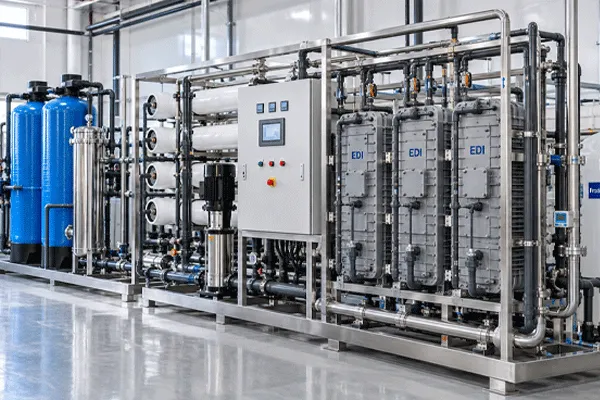
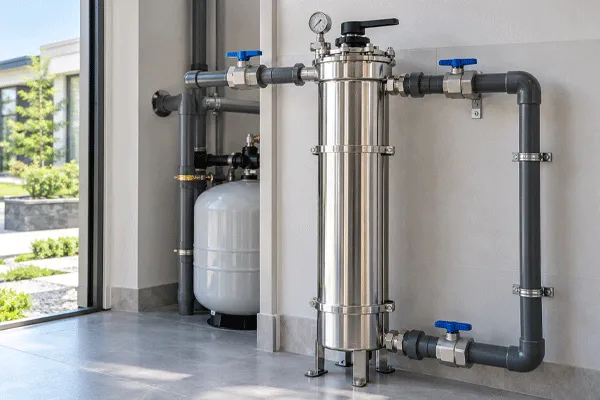
قد تبدو المياه الملوثة بسيطة، لكنها قد تحمل جسيمات صلبة دقيقة وبكتيريا وزيوتًا ومخاطر تلوث خفية. إذا تم استخدام غشاء في حالة اختيار هذا الخيار، قد يتعرض خط المعالجة بأكمله للتلوث بسرعة. إن نظامًا مصممًا بشكل جيد غشاء الألياف المجوفة يساعد في جعل عملية الترشيح مدمجة ومستقرة وأسهل في التوسع.
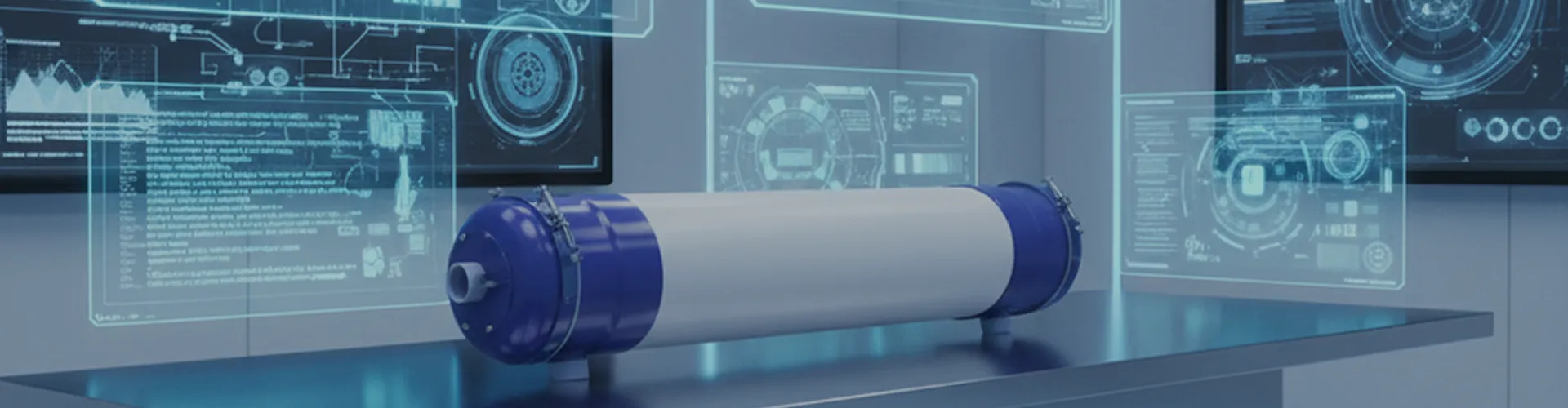
A غشاء الألياف المجوفة هو رفيع، يشبه الأنبوب تصفية مصنوعة من العديد من القطع الصغيرة الألياف المجوفة. يمر الماء أو السائل الصناعي عبر غشاء الجدار، في حين يتم احتجاز الجسيمات والمواد الصلبة العالقة والبكتيريا وبعض الجزيئات الأكبر حجمًا بناءً على حجم المسام. ويستخدم على نطاق واسع في معالجة المياه, ، وإعادة استخدام مياه الصرف الصحي، والترشيح الفائق، والترشيح الدقيق، وأنظمة الترشيح الصناعية.
مخطط المقال
- ما هو غشاء الألياف المجوفة؟
- كيف تعمل الألياف المجوفة داخل مرشح غشائي؟
- ما هي بنية وحدة غشاء الألياف المجوفة؟
- كيف يؤثر حجم المسام على أداء الترشيح؟
- ما هي المواد المستخدمة في صناعة الأغشية الليفية المجوفة؟
- كيف تُصنع أغشية الألياف المجوفة؟
- ما هي الأنواع الرئيسية لترشيح الألياف المجوفة؟
- لماذا تُعد وحدات الألياف المجوفة مفيدة في معالجة المياه على نطاق واسع؟
- ما الذي يتسبب في انسداد أغشية الألياف المجوفة؟
- أين تُستخدم مرشحات الأغشية الليفية المجوفة؟
- كيف تقارن الأغشية الليفية المجوفة بالتناضح العكسي والترشيح النانوي؟
- كيف ينبغي للمشترين في قطاع الأعمال بين الشركات (B2B) اختيار مورد لأغشية الألياف المجوفة؟
- الأسئلة الشائعة حول تقنية الأغشية الليفية المجوفة
ما هو غشاء الألياف المجوفة؟
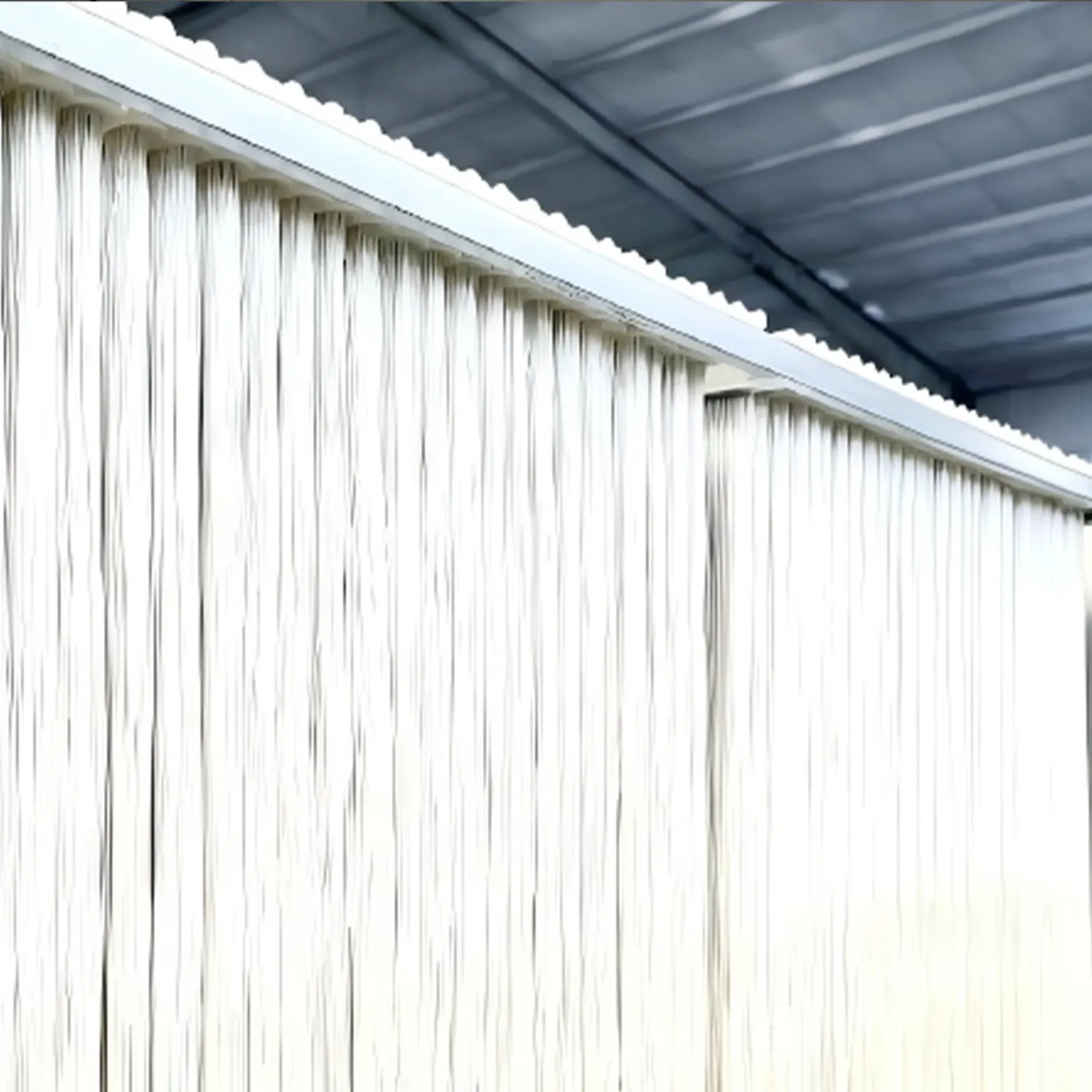
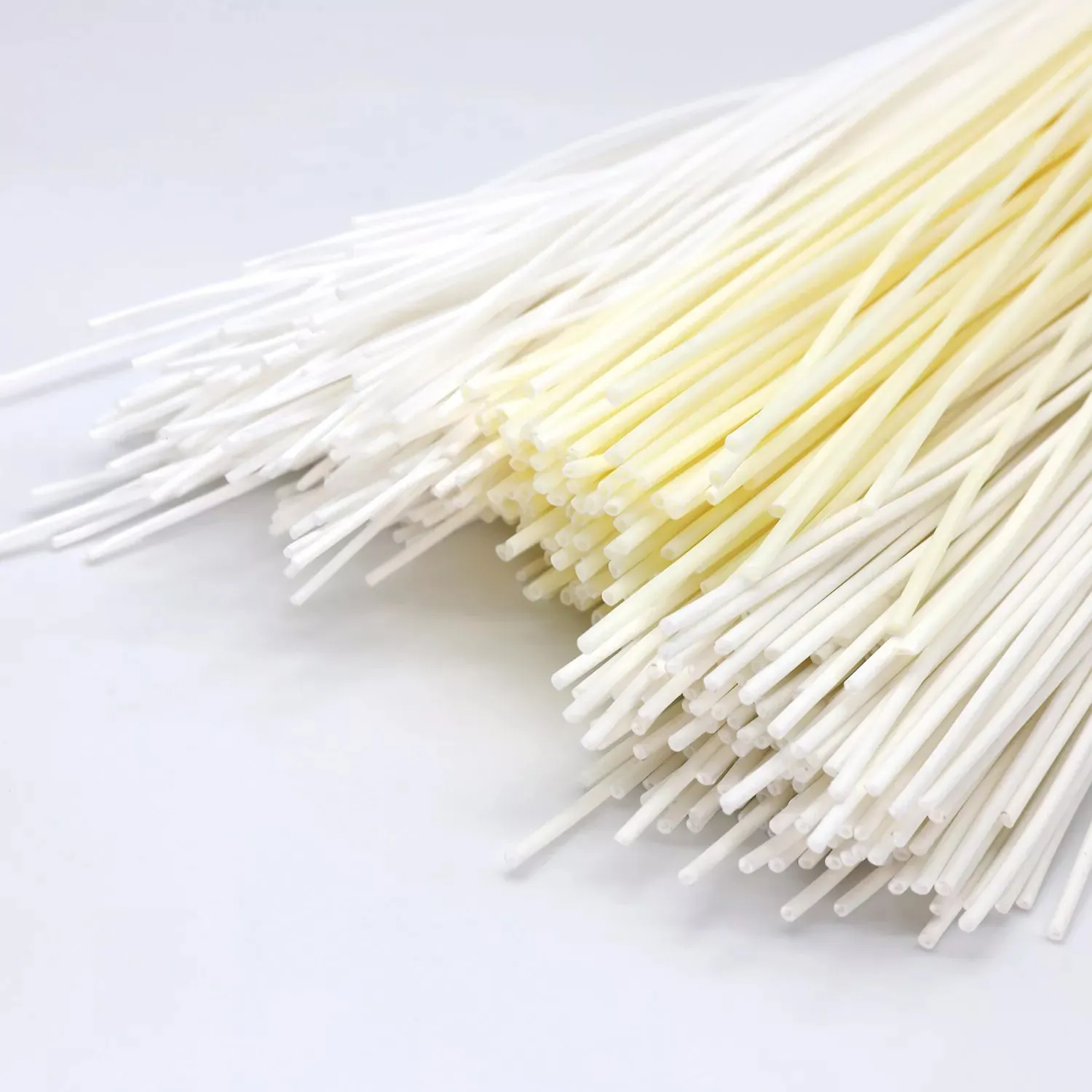
A غشاء الألياف المجوفة هو برنامج خاص غشاء على شكل أنبوب صغير جدًّا. كلّ الألياف يحتوي على مركز فارغ يُسمى لومن. جدار الـ الألياف تعمل كطبقة ترشيح. عندما يمر الماء عبر الجدار، فإن غشاء يفصل الماء النظيف عن الجسيمات والعديد من المواد غير المرغوب فيها.
أسهل طريقة لتصور ذلك هي التالية: حزمة من ماصات الشرب الصغيرة، لكن جدار كل ماصة عبارة عن خيط رفيع تصفية. هذه الألياف المجوفة السماح للماء بالمرور عبر سطح الغشاء, ، في حين تبقى الجسيمات الأكبر حجمًا خارج أو داخل الألياف, ، اعتمادًا على تصميم التدفق.
في العصر الحديث معالجة المياه, ، أ غشاء الألياف المجوفة يُقدَّر لأنه يوفر مستوى عالٍ من المساحة السطحية في مساحة مدمجة. وهذا يعني إمكانية إجراء عملية ترشيح أكبر داخل خزان أو وحدة مدمجة أصغر حجمًا. وبالنسبة لمقاولي EPC ومحطات المرافق البلدية ومالكي المنشآت الصناعية، فإن هذا التصميم المدمج يمكن أن يوفر المساحة، ويقلل من الأعمال الإنشائية، ويجعل تركيب المشروع أسهل.
ما هو غشاء الألياف المجوفة؟
كيف تعمل الألياف المجوفة داخل مرشح غشائي؟
الفكرة العملية بسيطة. يتدفق السائل إما خارج الألياف المجوفة أو من خلال لومن داخل كل منها الألياف. تمر المياه النظيفة عبر غشاء, ، في حين أن الجسيمات الأكبر حجمًا من مسام ابقَ في الخلف. وغالبًا ما يُطلق على هذا اسم الاستبعاد الحجمي.
في العديد من مرشح الألياف المجوفة في هذه التصاميم، يدخل الماء من خارج الألياف ويتحرك الماء النظيف إلى القناة الداخلية. أما في الأنظمة الأخرى، فيدخل الماء إلى داخل الألياف ويتجه نحو الخارج. يمكن أن يعمل كلا التصميمين بشكل جيد. ويعتمد الاختيار الصحيح على جودة مياه التغذية، ومعدل التدفق، والضغط، وطريقة التنظيف.
هذا النوع من الترشيح لا تحتاج إلى خزان ترسيب كبير لإزالة كل الجسيمات الصغيرة. إن غشاء يقوم بالانفصال النهائي. ولهذا السبب تقنية الأغشية الليفية المجوفة يُستخدم على نطاق واسع في الترشيح الغشائي, ، وتنقية مياه الشرب، وإعادة استخدام مياه الصرف الصحي، ومعالجة مياه العمليات.
ما الذي يوجد داخل وحدة غشاء الألياف المجوفة؟
أغنية منفردة الألياف إنها صغيرة جدًّا بحيث لا تستطيع التعامل مع التدفق الصناعي بمفردها. ولذلك، يقوم المصنعون بتركيب الآلاف من الألياف المجوفة معًا داخل وحدة غشائية. تتكون هذه الوحدة من غلاف، ومنافذ تغذية، ومنافذ نفاذ، وراتنج مانع للتسرب، وقنوات تدفق.
A وحدة غشاء الألياف المجوفة قد يبدو الأمر بسيطًا من الخارج، لكن التصميم الداخلي مهم جدًّا. إن القطر من الألياف, ، وطول الحزمة، وعدد الألياف المجوفة, ، كما أن جودة التعبئة تؤثر جميعها على الأداء. فالتصميم الجيد يضمن تدفقًا سلسًا، وفقدانًا أقل للضغط، وترشيحًا أكثر استقرارًا.
| جزء الوحدة |
وظيفة بسيطة |
لماذا هذا مهم؟ |
| الألياف المجوفة |
طبقة الترشيح الرئيسية |
تحديد السعة وجودة المياه |
| لومن |
القناة الداخلية لكل ليف |
تنقل التغذية أو النفاذية |
| الإسكان |
يحمي حزمة الألياف |
يدعم الضغط والتركيب |
| راتنج التعبئة |
يغلق أطراف الألياف |
يمنع التسرب والتجاوز |
| مخرج النفاذات |
يجمع المياه المفلترة |
يتصل بخط أنابيب النظام |
| فتحة تهوية أو تنظيف |
يدعم أعمال الصيانة |
يساعد على الحد من التلوث |
بالنسبة لمشاريع B2B، فإن وحدة غشائية لا ينبغي اختيارها بناءً على معدل التدفق فقط. بل يجب على المشترين أيضًا التحقق من سهولة الوصول إليها لأغراض التنظيف، وقطع الغيار، ومقاومتها للمواد الكيميائية، وضغط التشغيل، وتصميم النظام.
كيف يؤثر حجم المسام على عملية الترشيح؟
الـ حجم المسام من غشاء يحدد ما يمكن أن يمر وما سيتم احتجازه. أكبر مسام تسمح بتدفق أسرع لكنها تزيل كمية أقل من الجسيمات الدقيقة. وواحدة أصغر مسام يوفر فصلًا أفضل، لكنه قد يتطلب ضغطًا أكبر وقد يتسخ بسرعة أكبر.
بشكل عام الترشيح الدقيق, ، وقد يبلغ حجم المسام حوالي 0.1 إلى 0.2 ميكرون. أ 0.2 ميكرون غشاء يمكنه إزالة العديد من البكتيريا والجسيمات الدقيقة العالقة. الترشيح الفائق يتميز بنطاق فصل فعّال أصغر، ويمكنه احتجاز الجسيمات الغروية والبروتينات والجزيئات العضوية الأكبر حجمًا بناءً على الوزن الجزيئي.
إليكم مقارنة بسيطة:
| نوع الترشيح |
هدف الفصل النموذجي |
الاستخدام الشائع |
| الترشيح الدقيق |
الجسيمات الدقيقة، البكتيريا، المواد الصلبة العالقة |
المعالجة المسبقة، التصفية |
| الترشيح الفائق |
الغرويات، البروتينات، الجزيئات الكبيرة |
تنقية المياه، إعادة استخدام مياه الصرف الصحي |
| الترشيح النانوي |
الأيونات ثنائية التكافؤ، اللون، المواد العضوية |
تليين المياه، معالجة مياه الصرف الناتجة عن الصباغة |
| التناضح العكسي |
الأملاح المذابة والأيونات الصغيرة |
المياه النقية، تحلية المياه، أنظمة المياه فائقة النقاء |
أصغر مسام ليس دائمًا الأفضل. الأفضل غشاء هي التي تتوافق مع هدف المشروع. على سبيل المثال، قد يستخدم مصنع صناعي أغشية الترشيح الفائق قبل عملية التناضح العكسي (RO) لحماية نظام التناضح العكسي وتحسين استقراره على المدى الطويل.
ما هي المواد المستخدمة في صناعة أغشية الألياف المجوفة؟
العديد من غشاء الألياف المجوفة تُصنع المنتجات من مواد بوليمرية. ومن بين المواد الشائعة: PVDF وPES وPS وPAN وPP. وفي بعض التطبيقات المتطورة أو التي تتسم بظروف قاسية، يُستخدم السيراميك أو مواد أخرى غير عضوي كما يمكن استخدام المواد الأخرى.
بولي إيثر سلفون تُعد إحدى المواد الشائعة المستخدمة في الترشيح نظرًا لتميزها بأداء تدفقي جيد ومقاومة كيميائية مفيدة. أ ألياف مجوفة من البولي إيثر سلفون يمكن أن تكون مناسبة للمياه النظيفة، أو مياه العمليات، أو بعض الاستخدامات الصناعية، اعتمادًا على التصميم الدقيق وظروف التشغيل.
الـ خصائص الغشاء تُعد هذه العوامل أكثر أهمية من الاسم التجاري للخامة وحده. ينبغي على المشترين الاستفسار عن مقاومة الضغط، وتحمل التنظيف الكيميائي، ونطاق درجات الحرارة، وقوة الشد، والعمر التشغيلي المتوقع. بالنسبة للمواد الصعبة المياه الصناعية أو المياه الملوثة, ، يجب أن تتوافق المادة مع خصائص مياه التغذية الفعلية.
ما هي المواد المستخدمة في صناعة أغشية الألياف المجوفة؟
كيف تُصنع أغشية الألياف المجوفة؟
العديد من البوليمرات الألياف المجوفة يتم تصنيعها من خلال عملية تُسمى انعكاس الطور. في هذه الطريقة، يُستخدم محلول بوليمر يتم تمريره عبر أداة تُسمى فتحة الغزل. تشكل الفوهة أنبوبًا به فتحة داخلية. ثم تتحول المادة من الحالة السائلة إلى الحالة الصلبة وتصبح مسامية الألياف.
تتحكم هذه الخطوة في عملية الإنتاج في تصميم الألياف المجوفة. سماكة الجدار،, القطر, مسام يعتمد الهيكل والقوة على التركيبة وظروف الغزل. وتساعد عملية الإنتاج المستقرة على تكوين ألياف مجوفة متينة بجودة ثابتة.
بالنسبة للطلبات الكبيرة بين الشركات (B2B)، فإن الرقابة على المصنع تكتسي أهمية بالغة. فأي تغيير بسيط في غشاء يمكن أن تؤثر بنية المنتج على التدفق، وسلوك التنظيف، والأداء على المدى الطويل. ولهذا السبب نركز على التصنيع في المصانع، والوثائق الفنية، ومراقبة الجودة لمنتجات الأغشية والأنظمة الكاملة أنظمة الترشيح.
ما هي الأنواع الرئيسية لترشيح الألياف المجوفة؟
هناك العديد من أنواع الألياف المجوفة الترشيح. وأكثرها شيوعًا هي الترشيح الدقيق و الترشيح الفائق. وكلاهما يستخدم الضغط لدفع الماء عبر غشاء الجدار، لكنها تستهدف أحجامًا مختلفة من الجسيمات.
الترشيح الدقيق وغالبًا ما يُستخدم لإزالة البكتيريا والعكارة والمواد الصلبة العالقة الأكبر حجمًا. الترشيح الفائق يمكنها إزالة الجسيمات الغروية الأصغر حجمًا، وبعض المواد العضوية، والجزيئات الحيوية الأكبر حجمًا. وكلاهما شائع في تنقية المياه, تنقية المياه, ، والمعالجة المسبقة الصناعية.
المعنى الأوسع أنواع الترشيح قد تشمل:
- الترشيح الدقيق لإزالة الجسيمات والبكتيريا بشكل أساسي
- الترشيح الفائق للحصول على فصل أكثر دقة ووضوح أفضل
- الترشيح النانوي للتحقق من اللون والصلابة وبعض المواد المذابة المحددة
- التناضح العكسي للأملاح والأيونات والمياه عالية النقاء
- الترشيح باستخدام تقنية MBR للمعالجة البيولوجية بالإضافة إلى فصل المواد الصلبة عن السوائل
A غشاء الألياف المجوفة وغالبًا ما تُستخدم في أنظمة الترشيح الدقيق والترشيح الفائق وأنظمة MBR. أما بالنسبة لأنظمة التناضح العكسي والعديد من أنظمة الترشيح النانوي، فإن العناصر الملفوفة حلزونيًّا شائعة الاستخدام أيضًا. كل طريقة الترشيح ولها دورها الخاص.
لماذا تُعد وحدات الألياف المجوفة مفيدة في معالجة المياه على نطاق واسع؟
أكبر ميزة لـ الألياف المجوفة هو كثافة تعبئة عالية. يمكن أن تتسع وحدة واحدة لعدد كبير من الألياف. وهذا يوفر سعة كبيرة مساحة الغشاء في مساحة صغيرة. وبعبارة بسيطة، يمكنك الحصول على مساحة ترشيح أكبر دون الحاجة إلى بناء خزان ضخم.
هذا الارتفاع المساحة السطحية لكل وحدة حجم وهو مفيد جدًا لـ على نطاق واسع المشاريع. غالبًا ما تحتاج المحطات البلدية والمجمعات الصناعية ومصانع الأغذية ومصانع النسيج والفنادق والمزارع وشركات تصنيع الإلكترونيات إلى تدفق موثوق به في مساحة محدودة. جهاز مدمج غشاء الألياف المجوفة يمكن أن يساعد هذا النظام.
بالنسبة لمشاريع المياه التي تُنفَّذ بنظام EPC، يدعم التصميم المدمج أيضًا البناء المعياري. ويمكن أن يشتمل النظام المركب على منصة متحركة أو النظام المعبأ في حاويات على مضخات وخزانات وأجهزة قياس ونظام تحكم PLC وصمامات ووحدات غشائية. وهذا يجعل عملية التسليم أسرع والتركيب في الموقع أكثر نظافة.
ما الذي يتسبب في انسداد أغشية الألياف المجوفة؟
A غشاء يمكن خطأ عندما تتراكم الجسيمات أو الزيوت أو النمو البيولوجي أو المعادن أو المواد العضوية على السطح أو داخل المسام. يؤدي التلوث إلى انخفاض التدفق وزيادة الضغط. وإذا تجاهله المشغلون، فقد يتحول بعض هذا التلوث إلى لا رجعة فيه.
في مياه الصرف الصحي وفي مشاريع إعادة الاستخدام، تشمل المصادر الشائعة للتلوث ما يلي: المواد الصلبة العالقة, ، والشحوم، والحمأة، والبكتيريا، والمواد الغروية. وفي المشاريع الصناعية، يمكن أن تتسبب المواد الكيميائية، والأصباغ، والملح، والمساحيق الدقيقة أيضًا في حدوث مشكلات. ولهذا السبب تكتسب المعالجة المسبقة أهمية كبيرة.
ينبغي أن تتضمن خطة العمل العملية ما يلي:
- تصفية مياه التغذية قبل الغشاء
- التحكم المستقر في التدفق والضغط
- التنظيف بالهواء أو التدفق المتقاطع عند الحاجة
- الغسل العكسي أو الشطف المنتظم
- التنظيف الكيميائي الصحيح
- مراقبة الضغط والتدفق وجودة النفاذات
التشغيل السليم لا يزيل الترسبات إلى الأبد، بل يحد من انتشارها قبل أن تصبح خطيرة. وهذه العادة البسيطة تحمي الألياف, ، ويحسن كفاءة الترشيح, ، ويقلل من تكلفة الاستبدال.
أين تُستخدم مرشحات الأغشية الليفية المجوفة؟
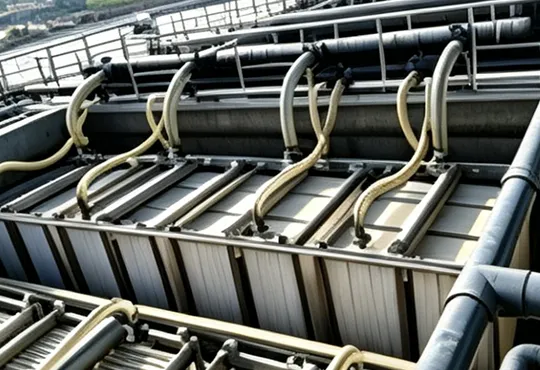
A غشاء الألياف المجوفة يمكن استخدامها في العديد من الصناعات. في معالجة المياه, ، وغالبًا ما تُستخدم في تنقية المياه السطحية، وتصفية المياه الجوفية، والمعالجة المسبقة قبل التناضح العكسي، وإعادة تدوير مياه العمليات، وإنتاج مياه الشرب. وتساعد على إزالة الجسيمات الدقيقة وتحسين استقرار الوحدات التالية في سلسلة المعالجة.
في مجال إعادة استخدام مياه الصرف الصحي،, الألياف المجوفة تدعم أنظمة MBR والمعالجة المتقدمة. في نظام MBR، تعمل العملية البيولوجية على إزالة الملوثات العضوية، في حين أن غشاء يفصل المياه النظيفة عن الحمأة. وهذا يجعل النظام مدمجًا ومناسبًا للفنادق والمزارع ومحطات المرافق البلدية والمواقع الصناعية.
كما تُستخدم أنظمة الألياف المجوفة خارج نطاق مشاريع المياه التقليدية. فهي تُستخدم في التطبيقات الصيدلانية الحيوية, ، وتجهيز الأغذية والمشروبات، وعمليات الفصل المختبرية، وبعض عمليات التلامس بين الغاز والسائل. وتبقى الفكرة الأساسية نفسها: عملية دقيقة غشاء يفصل جزءًا عن آخر بطريقة منظمة.
أين تُستخدم مرشحات الأغشية الليفية المجوفة؟
كيف تقارن أغشية الألياف المجوفة بالتناضح العكسي والترشيح النانوي؟
A غشاء الألياف المجوفة يُستخدم عادةً لإزالة الجسيمات والكائنات الدقيقة، وليس لإزالة الأملاح بالكامل. التناضح العكسي يزيل الأملاح المذابة والعديد من الأيونات الصغيرة. الترشيح النانوي يقع بين عملية الترشيح الفائق وعملية التناضح العكسي، حيث يزيل أملاحًا محددة، واللون، والصلابة، والمركبات العضوية المذابة الأكبر حجمًا.
اعتبرها أدوات مختلفة:
| التكنولوجيا |
الهدف الرئيسي |
الدور النموذجي |
| الترشيح الدقيق بالألياف المجوفة |
الجسيمات والبكتيريا |
التنقية والمعالجة المسبقة |
| الترشيح الفائق بالألياف المجوفة |
المواد الغروية والجزيئات الأكبر حجمًا |
إعادة الاستخدام وحماية نظام التناضح العكسي |
| الترشيح النانوي |
اللون، الصلابة، أملاح محددة |
التلميع المتقدم |
| التناضح العكسي |
الأملاح والأيونات المذابة |
إنتاج المياه النقية |
| EDI |
الإزالة النهائية للأيونات |
أنظمة المياه فائقة النقاء |
في العديد من المشاريع الكاملة، لا نكتفي باختيار تقنية واحدة فقط، بل نقوم بدمجها معًا. فقد يستخدم أحد المصانع مرشح الألياف المجوفة أولاً، ثم أغشية التناضح العكسي (RO)، ثم وحدات التناضح الكهربائي (EDI). تساعد هذه العملية المتعددة المراحل على إنتاج مياه نقية أو فائقة النقاء ذات جودة ثابتة لتلبية احتياجات قطاعات الأدوية والإلكترونيات وأشباه الموصلات، فضلاً عن احتياجات المياه المستخدمة في العمليات الصناعية.
ما هي الفوائد الرئيسية لتقنية الأغشية الليفية المجوفة؟
الفوائد عملية. أ غشاء الألياف المجوفة يتميز بحجمه الصغير، ومساحة الترشيح الكبيرة، وقدرته العالية على التكيف، وأدائه القوي في الأنظمة المعيارية. ويمكنه دعم كل من الأنظمة الصغيرة والمشاريع الهندسية الكبيرة.
وتشمل المزايا الرئيسية ما يلي:
- مرتفع المساحة السطحية في مساحة صغيرة
- فصل جيد للجسيمات الدقيقة والعديد من الميكروبات
- تصميم وحدة مدمجة للأنظمة المركبة على منصة متحركة
- تكامل سهل مع المضخات والخزانات وأجهزة الاستشعار ونظام التحكم بالبرمجة المنطقية (PLC)
- معالجة مسبقة مفيدة قبل أنظمة التناضح العكسي (RO) والتناضح الكهربائي (EDI) والأنظمة المتطورة
- قوي القدرة على التكيف للمواقع البلدية والتجارية والصناعية
الـ غشاء متطور كما أن البنية تدعم الاستقرار النقل الغشائي, ، حيث تنتقل جزيئات الماء عبر الغشاء بينما تبقى الجسيمات الأكبر حجمًا في الخلف. وعندما يتم تصميم النظام بشكل صحيح، ينتج عن ذلك تحسين جودة المياه وتشغيل أكثر قابلية للتنبؤ.
ما الذي يجب على المشترين في قطاع الأعمال بين الشركات (B2B) التحقق منه قبل اختيار مورد لأغشية الألياف المجوفة؟
بالنسبة لمقاولي EPC،, معالجة المياه شركات الهندسة، ومالكو المنشآت الصناعية، الذين يختارون غشاء اختيار المورد ليس مجرد عملية شراء. إنه قرار يتعلق بمخاطر المشروع. يجب أن يكون المورد على دراية بتصميم التدفق، وجودة المياه، وعمليات التنظيف، والأتمتة، وقطع الغيار، والتشغيل التجريبي.
يجب أن يساعدك المورد الجيد في الإجابة عن هذه الأسئلة:
- ماذا نوع غشاء الألياف المجوفة هل يتناسب مع مصدر المياه؟
- ما هو معدل التدفق والضغط اللذين يجب أن يستخدمهما النظام؟
- ما هي طريقة التنظيف المتوقعة؟
- هل يمكن للمورد تقديم الرسومات والوثائق الفنية؟
- هل يمكن للنظام الاتصال بنظام التحكم PLC / SCADA؟
- هل تتوفر قطع الغيار اللازمة للتشغيل على المدى الطويل؟
- هل يمكن أن يدعم التصميم إعادة تدوير المياه أم أهداف إعادة الاستخدام؟
بصفتنا شركة مصنعة ومزودًا متخصصًا في مجال الهندسة، فإننا نقدم الدعم لأغشية MBR ذات الألياف المجوفة، وأغشية الترشيح بالألترافلتر (UF) ذات الألياف المجوفة، وأغشية MBR المسطحة، وأغشية التناضح العكسي (RO)، ووحدات التناضح الكهربائي (EDI)، وآلات التناضح العكسي الصغيرة، ومحطات معالجة المياه النقية، ومحطات معالجة مياه الصرف الصحي، وأنظمة الأغشية المتكاملة. وهذا يتيح لنا تقديم ليس فقط غشاء, ، بل وأيضًا خطة العلاج الكاملة.
دراسة حالة: استخدام أغشية الألياف المجوفة في مشروع صناعي لإعادة استخدام المياه
كان مصنع لتصنيع الأغذية بحاجة إلى تقليل استهلاك المياه العذبة وتحسين جودة المياه الناتجة. كان النظام القديم يعتمد على الترسيب البسيط والترشيح بالرمل، لكن المياه كانت لا تزال تعاني من العكارة ووجود جسيمات صلبة دقيقة. وكان المصنع يبحث عن حل أكثر استقرارًا لإعادة استخدام المياه.
لقد صممنا نظامًا يتضمن مرحلة معالجة أولية، وهو غشاء الألياف المجوفة الوحدة، وأغشية التناضح العكسي، ونظام التحكم الآلي. الـ الألياف المجوفة إزالة الجسيمات الدقيقة قبل مرحلة التناضح العكسي. وقد ساعد ذلك في حماية نظام التناضح العكسي وتقليل مخاطر تكوّن الترسبات الكلسية والانسداد.
بعد بدء التشغيل، أنتج المشروع نواتج ترشيح أكثر استقرارًا، وساعد في إعادة استخدامها في تطبيقات لا تتطلب ملامسة المنتج. وكان الدرس الرئيسي بسيطًا: لا تجبر أحدًا غشاء لحل كل مشكلة. استخدم كل تقنية في المكان المناسب.
ملاحظة هندسية: لا يقتصر نظام الأغشية الجيد على الوحدة فقط، بل يشمل أيضًا تحليل المياه، وتصميم العمليات، ومنهجية التنظيف، والأتمتة، والدعم على المدى الطويل.
جدول اختيار بسيط لمشاريع الأغشية الليفية المجوفة
- المياه الخام / مياه الصرف الصحي
- ↓
- الفحص والمعالجة المسبقة
- ↓
- الترشيح بالغشاء الليفي المجوف
- ↓
- الناتج الصافي
- ↓
- نظام التناضح العكسي (RO) / الترشيح النانوي / التناضح الكهربائي (EDI) (اختياري)
- ↓
- إعادة الاستخدام، أو معالجة المياه، أو التصريف
يوضح هذا الرسم البياني السبب تقنية الأغشية الليفية المجوفة وغالبًا ما تُستخدم كحلقة وصل. فهي تحمي عمليات المعالجة اللاحقة وتحسّن استقرار النظام بأكمله.
الأسئلة الشائعة حول تقنية الأغشية الليفية المجوفة
ما هي استخدامات غشاء الألياف المجوفة؟
A غشاء الألياف المجوفة يُستخدم لتصفية المياه، ومياه الصرف الصحي، والسوائل الصناعية، وبعض السوائل البيولوجية أو الصناعية. وهو يزيل الجسيمات الدقيقة، والبكتيريا، والمواد العالقة، والجزيئات الأكبر حجمًا بناءً على حجم المسام وتصميم الغشاء.
هل غشاء الألياف المجوفة هو نفسه مرشح المياه العادي؟
لا. طبيعي مرشح المياه قد تستخدم الرمل أو الكربون أو المرشحات الكرتونية. ويستخدم الغشاء الليفي المجوف العديد من الأنابيب المجوفة ذات مسام دقيقة. وهي توفر فصلًا أكثر دقة مقارنةً بالعديد من المرشحات الأساسية.
هل تستطيع الأغشية الليفية المجوفة إزالة الفيروسات؟
يمكن لبعض أغشية الألياف المجوفة المستخدمة في الترشيح الفائق أن تقلل من وجود بعض الجسيمات التي بحجم الفيروسات، لكن الأداء يعتمد على حجم المسام وسلامة الغشاء وتصميم النظام. وللتطهير الشامل، قد تظل هناك حاجة إلى الأشعة فوق البنفسجية أو الكلور أو الأوزون أو غيرها من الحواجز.
ما الفرق بين الترشيح الدقيق والترشيح الفائق؟
الترشيح الدقيق يزيل الجسيمات الكبيرة والبكتيريا والعكارة. الترشيح الفائق يتميز بنطاق فصل فعّال أصغر، ويمكنه إزالة الجسيمات الغروية الأكثر دقة والجزيئات العضوية الأكبر حجمًا. ويمكن استخدام الأغشية الليفية المجوفة في كلا الحالتين.
هل تحتاج أغشية الألياف المجوفة إلى التنظيف؟
نعم. تحتاج الأغشية الليفية المجوفة إلى عمليات شطف منتظمة، أو غسل عكسي، أو تنظيف بالهواء، أو تنظيف كيميائي. ويعتمد الجدول الزمني لهذه العمليات على جودة المياه، وتغير الضغط، ومعدل التدفق، ونوع التلوث.
هل الأغشية الليفية المجوفة مناسبة للمشاريع الصناعية؟
نعم. فهي مناسبة للعديد من المشاريع الصناعية، بما في ذلك معالجة مياه العمليات، والمعالجة المسبقة، وإعادة الاستخدام، ومعالجة مياه الصرف الصحي النهائية. ومع ذلك، قد تحتاج مياه الصرف الصحي شديدة القسوة إلى معالجة مسبقة قبل مرورها عبر الغشاء لمنع التلوث والتلف.
خلاصة القول: ما هو غشاء الألياف المجوفة؟
A غشاء الألياف المجوفة هي تقنية ترشيح مدمجة وفعالة تتكون من العديد من الألياف المجوفة. كل الألياف يعمل كغشاء صغير على شكل أنبوب. يمر الماء عبر جداره، بينما تبقى الجسيمات والمواد الأكبر حجمًا خلفه.
بالنسبة لمشاريع المياه بين الشركات (B2B)، فإن الفائدة واضحة. فأنظمة الألياف المجوفة يمكنها توفير المساحة، وتحسين جودة المياه، وحماية أنظمة التناضح العكسي، ودعم إعادة الاستخدام. لكن النتيجة الأفضل تتحقق من خلال التصميم الصحيح، وليس مجرد شراء وحدة.
بصفتنا شركة متخصصة في تصنيع أنظمة معالجة المياه ومياه الصرف الصحي وتقديم الخدمات الهندسية المتعلقة بها، نساعد عملاءنا على اختيار الغشاء المناسب، وتصميم العملية، ودمج أنظمة الأتمتة، وإعداد الوثائق الفنية، فضلاً عن تقديم الدعم في مرحلة التشغيل الأولي وتوريد قطع الغيار.
أمور أساسية يجب تذكرها
- A غشاء الألياف المجوفة يتكون من العديد من الألياف الدقيقة الشبيهة بالأنابيب.
- جدار كلّ الألياف يعمل كطبقة تصفية.
- يحدد حجم المسام ما يمكن للغشاء إزالته.
- تُستخدم أنظمة الألياف المجوفة على نطاق واسع في معالجة المياه، وإعادة استخدام مياه الصرف الصحي، والترشيح الصناعي.
- تعد الترشيح الدقيق والترشيح الفائق من التطبيقات الشائعة للألياف المجوفة.
- يعمل كل من التناضح العكسي والترشيح النانوي على إزالة المواد المذابة الأصغر حجمًا، ويمكن استخدامهما بعد عملية الترشيح بالألياف المجوفة.
- يُعد تراكم الأوساخ أمرًا طبيعيًّا، لكن المعالجة المسبقة والتنظيف الجيدين يمكنهما الحد منه.
- ينبغي على المشترين في قطاع الأعمال بين الشركات (B2B) اختيار مورد يوفر الدعم في مجالات المنتجات وتصميم الأنظمة والأتمتة والهندسة.
- يجب أن يتوافق الحل الكامل القائم على الأغشية مع جودة المياه، وتدفق المشروع، وأهداف إعادة الاستخدام، واحتياجات التشغيل على المدى الطويل.



 18:06
18:06